
How Professional Fashion Photography Reduces Return Rates for Clothing Brands
Product returns are killing profitability for fashion brands, and photography quality is one of the primary causes. When customers receive clothing that doesn't match what they saw online, returns skyrocket, eating into margins and creating operational nightmares. After working with fashion brands for seven years and seeing the direct correlation between photography quality and return rates, we know exactly how professional apparel photography reduces returns while increasing customer satisfaction and repeat purchases.
The True Cost of Fashion Returns
Returns are more expensive than they often appear. Beyond lost sales, brands absorb reverse shipping, processing labor, restocking, and sometimes damaged or unsellable inventory. A single $75 dress return can easily cost $35–50 in direct expenses.
For a fashion brand doing $500,000 in annual revenue with a 25% return rate, that can mean $125,000 in returned merchandise and $40,000–60,000 in processing costs each year. Even a 5–10 percentage point reduction in returns can make a meaningful difference to profitability.
Why Fashion Returns Happen
Understanding why customers return clothing helps identify how photography can prevent returns. The primary reasons for apparel returns:
"Didn't fit as expected" (35-45%)
"Not as pictured" - color, style, or quality differ from what is shown (25-35%)
"Looked different than I expected" (15-25%)
Changed mind (10-15%)
Damage or defects (5-10%)
Professional photography directly addresses reasons 2 and 3, and partially addresses reason 1. That's 40-60% of all returns that better photography can prevent.
How Professional Photography Sets Accurate Customer Expectations
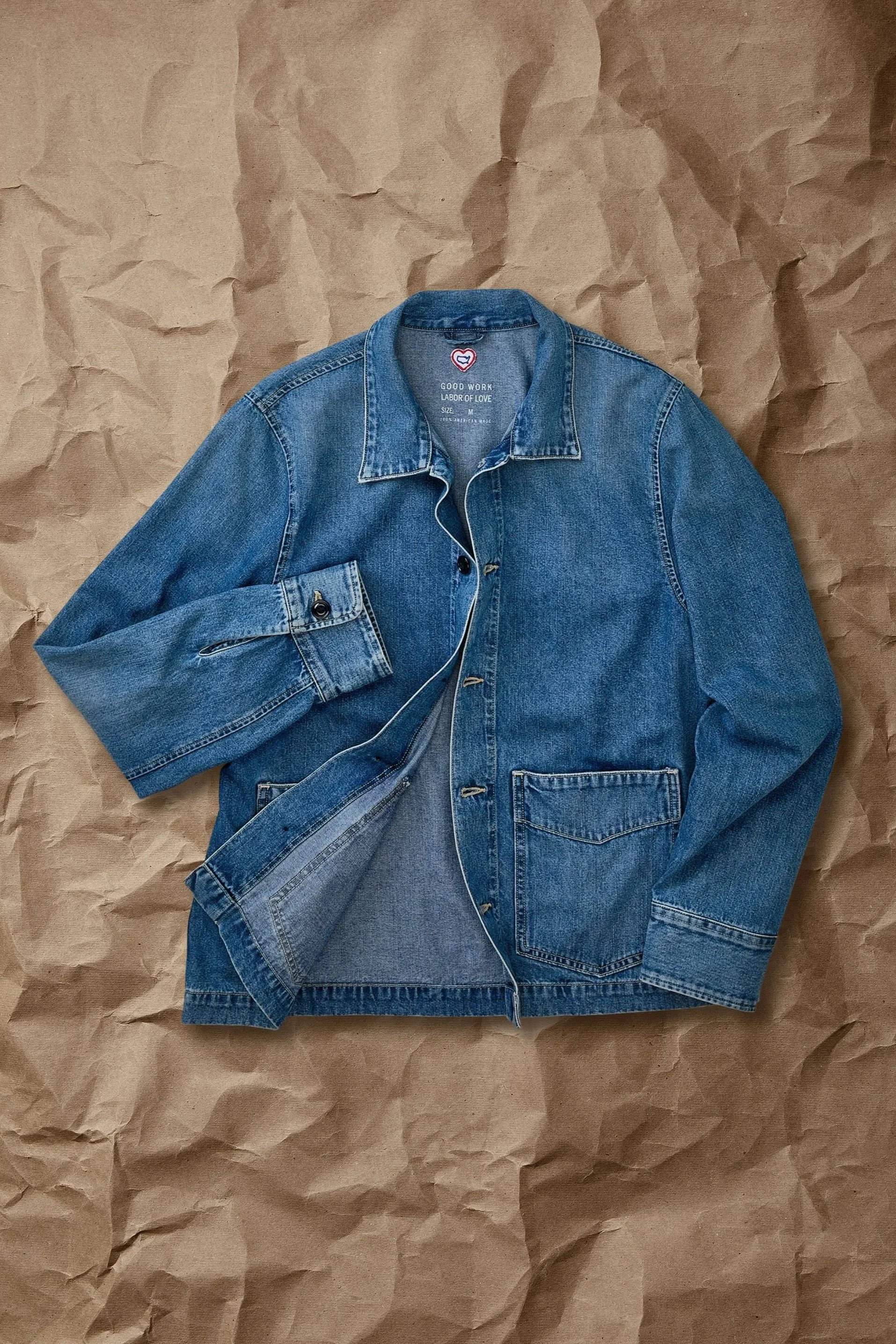
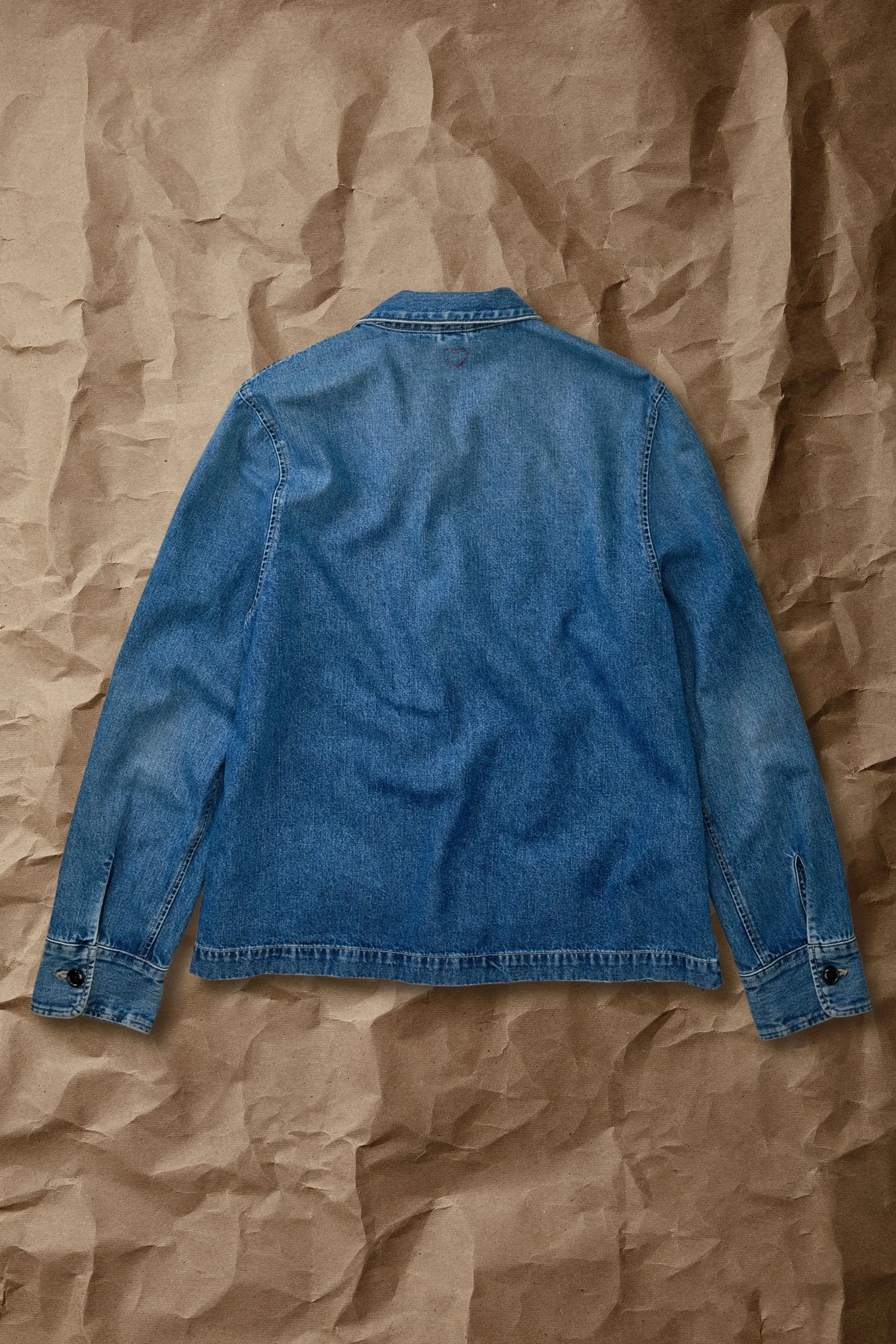
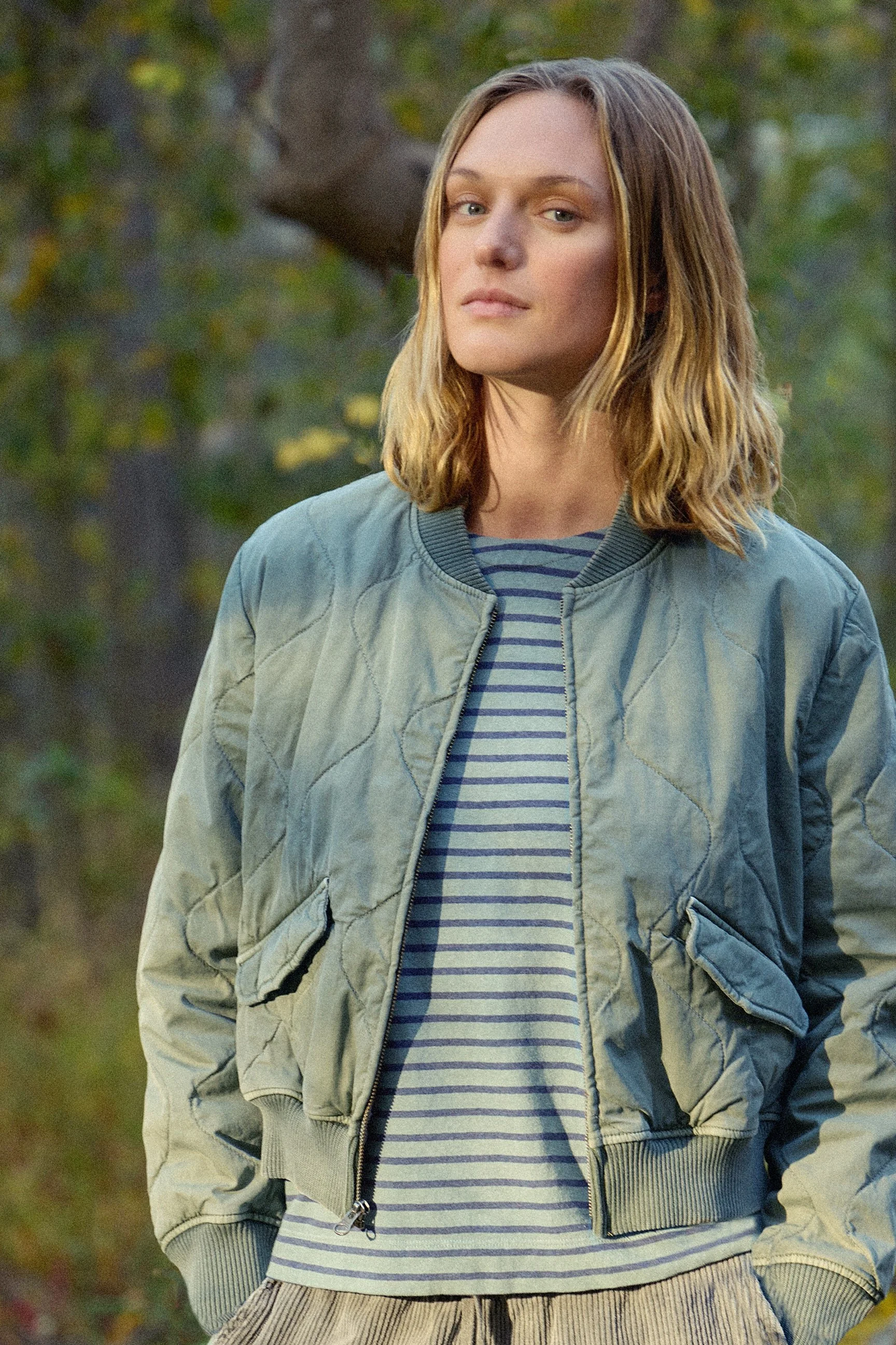
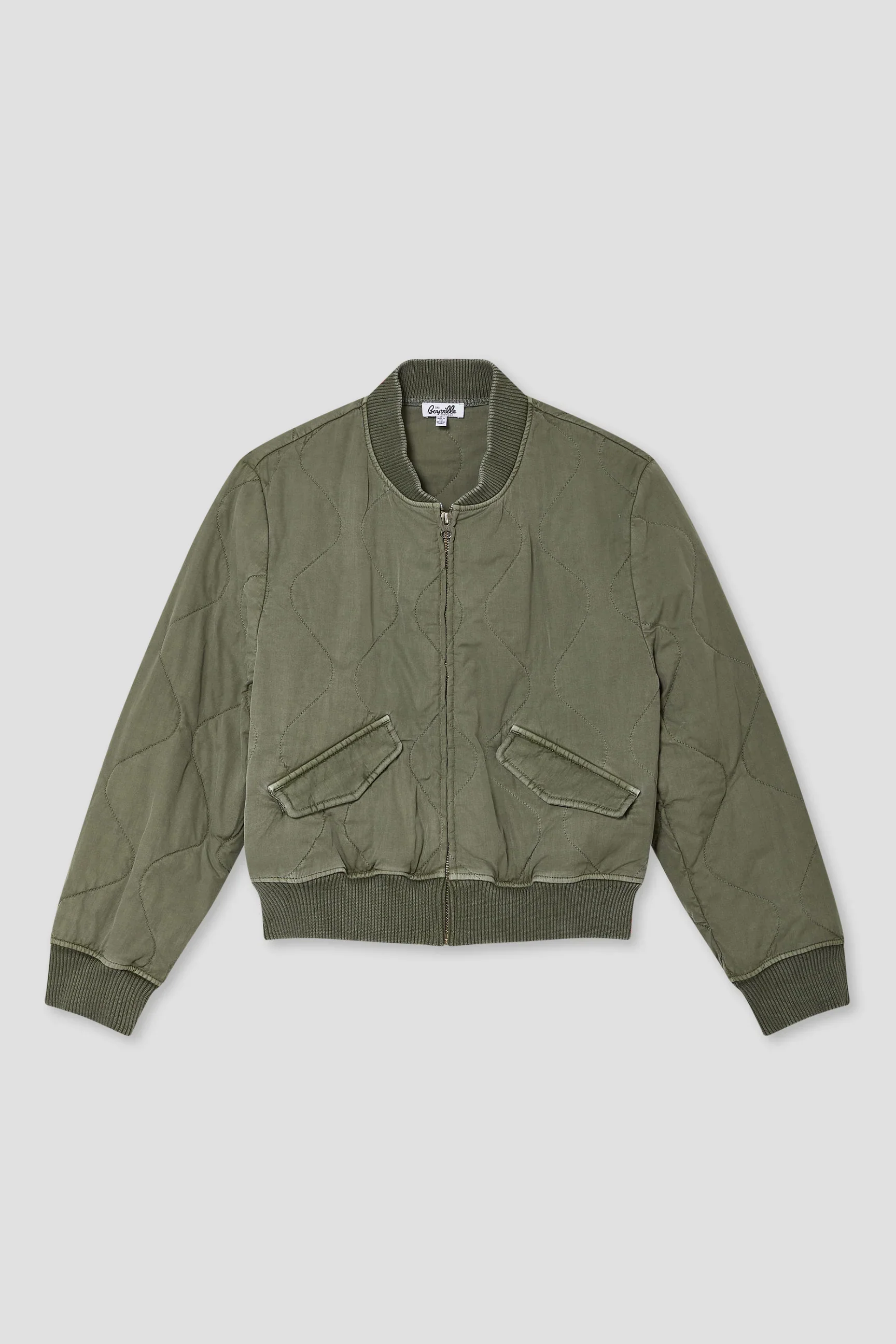
Professional photography helps reduce returns by giving customers a more accurate understanding of fit, color, quality, and style before they buy. While flat-lay photography does not show fit on a body, consistent styling, accurate garment positioning, multiple angles, and subtle scale references help customers better assess length, width, proportions, and cut. Front, back, side, and detail views all provide important fit information, especially when paired with detailed product descriptions. For an even stronger fit reference, brands can combine flat-lay imagery with occasional on-model or ghost mannequin shots to help customers understand how their sizing translates across product categories.
Brands working with us typically see fit-related returns decrease by 15–20% when moving from amateur to professional photography because customers develop clearer expectations around how garments are cut and sized.
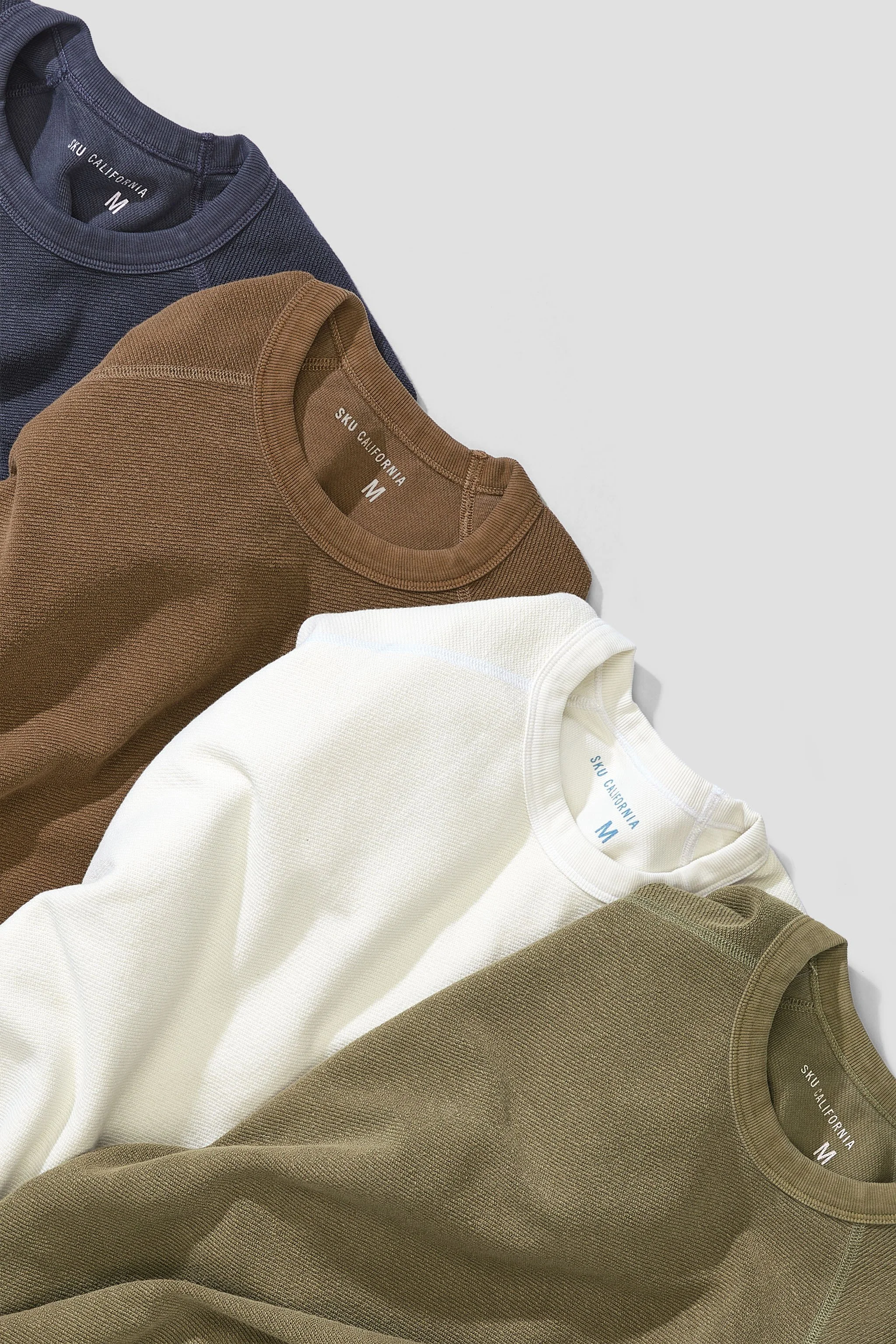
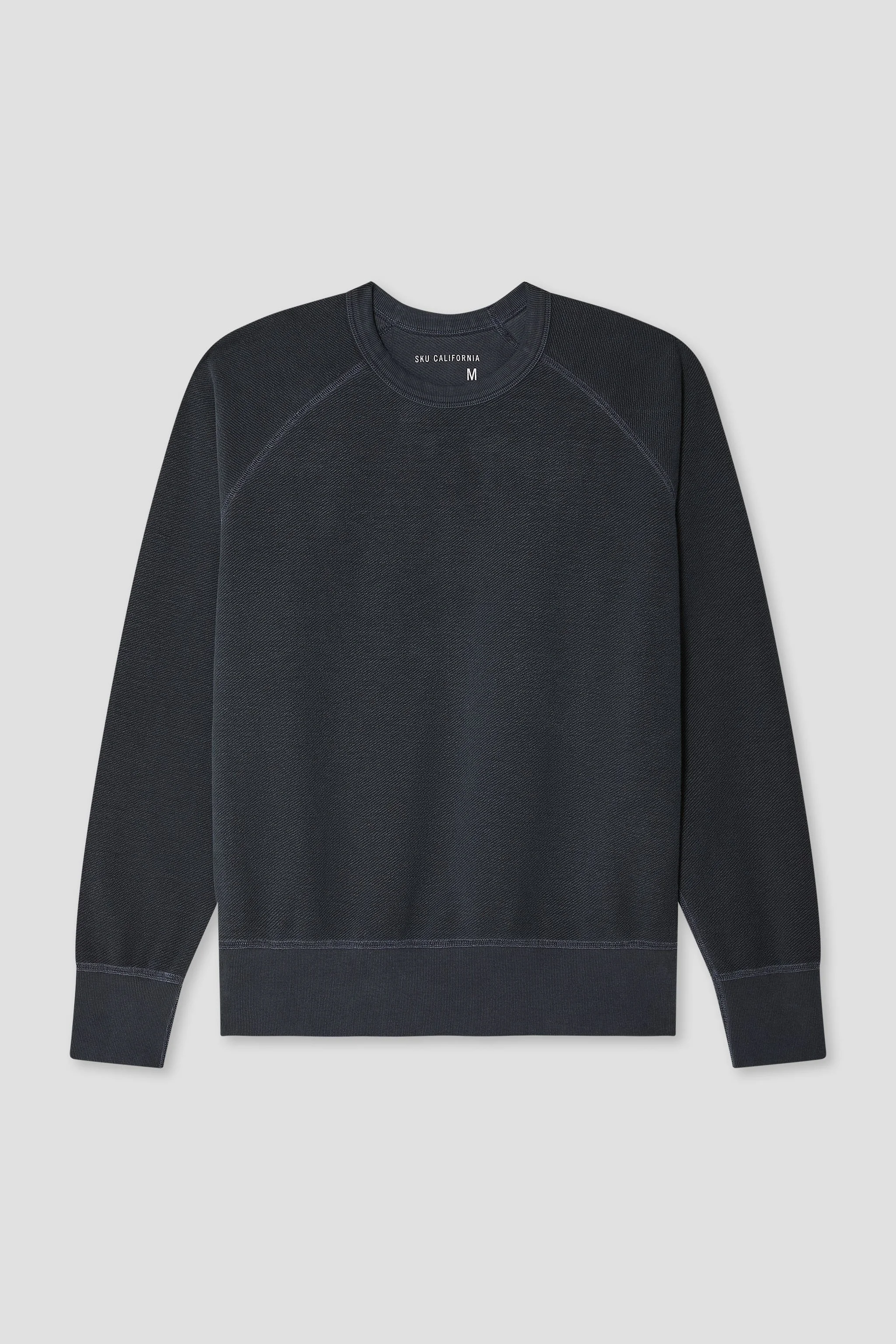
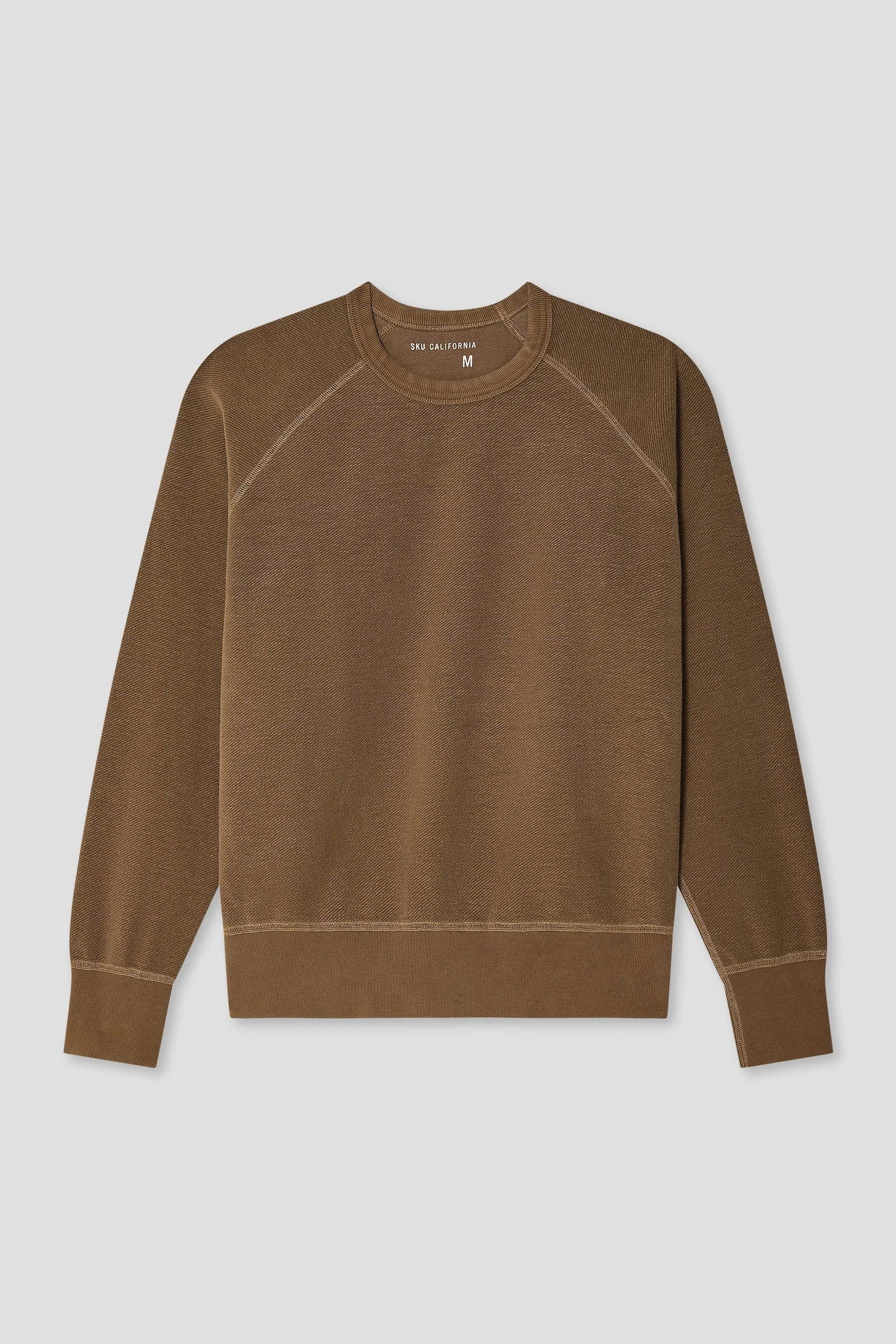
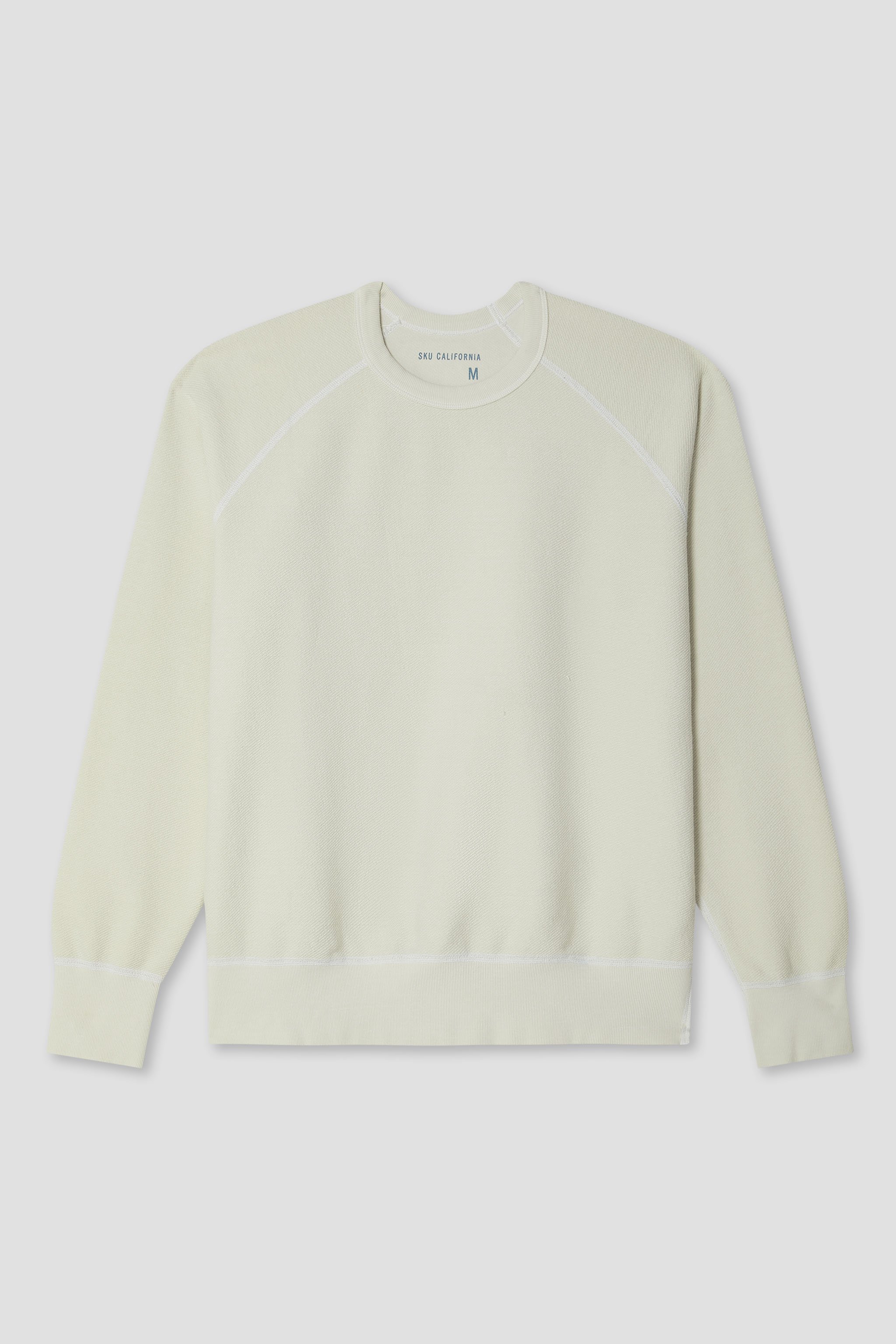
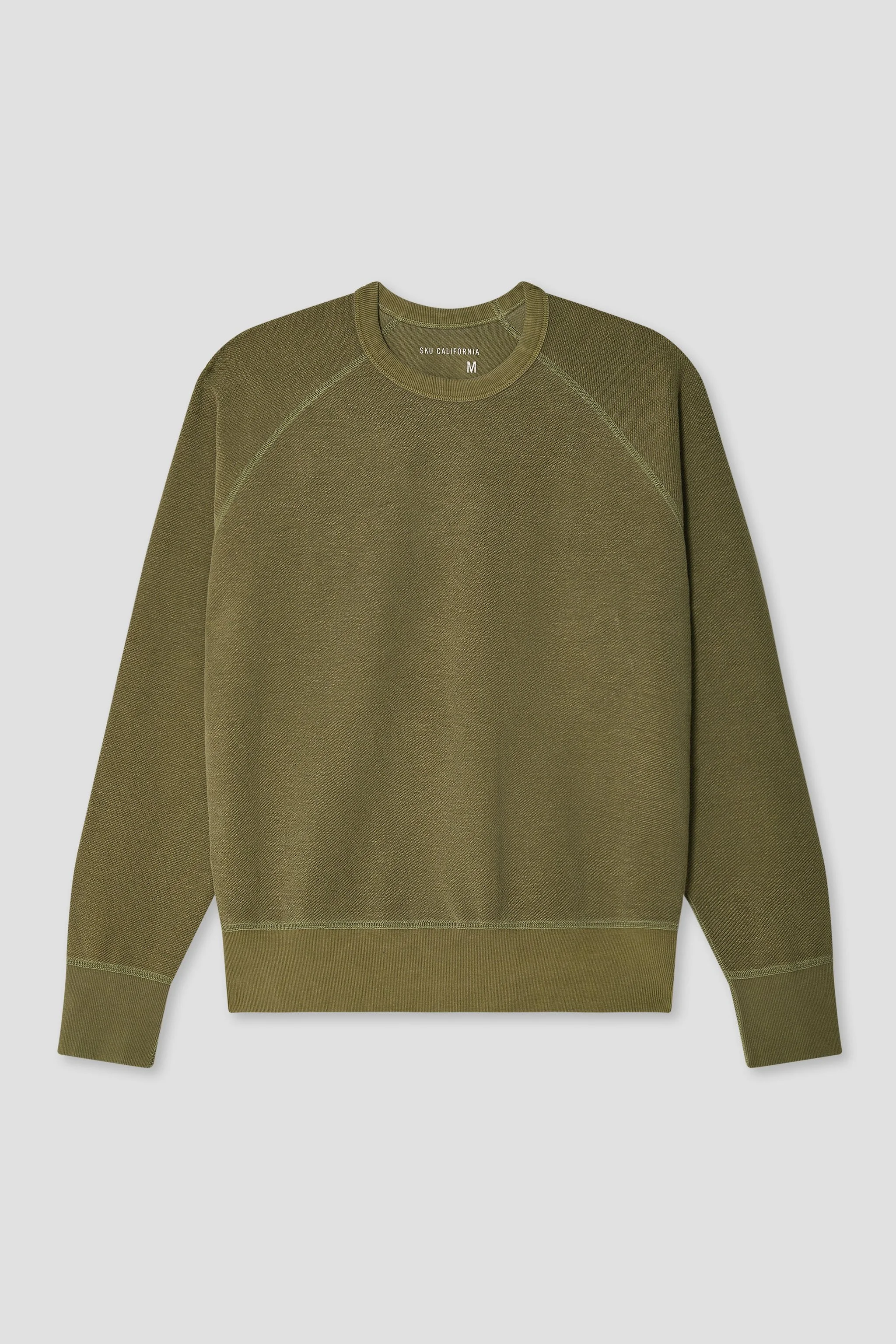
Color accuracy is just as critical. Professional studios use calibrated workflows, consistent lighting, neutral backgrounds, and color-managed systems from capture through delivery so garments photograph as they truly are — navy looks navy, not purple-blue or black-blue. Multiple colorways can also be photographed together to show accurate shade relationships, helping customers choose correctly when colors are similar.
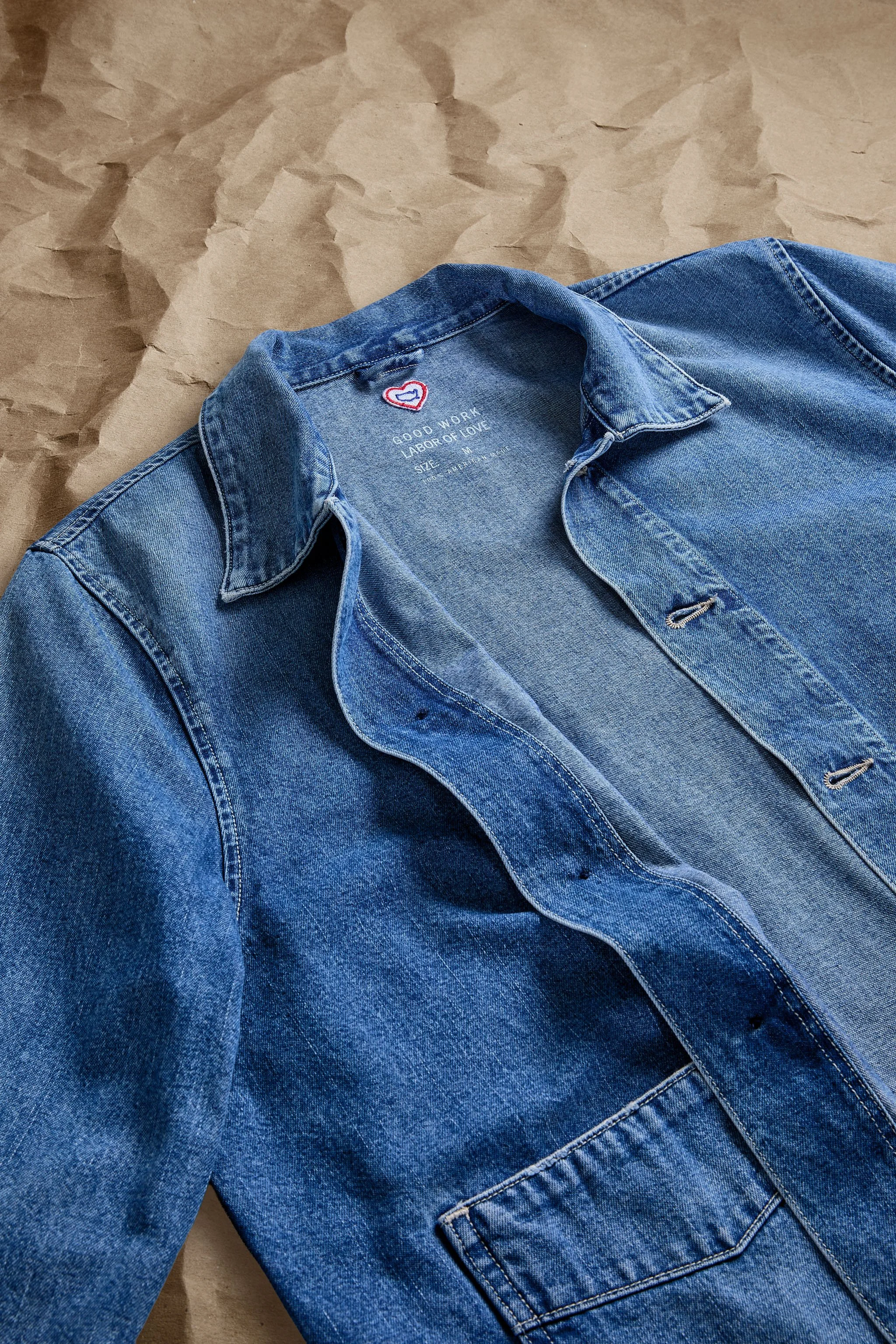
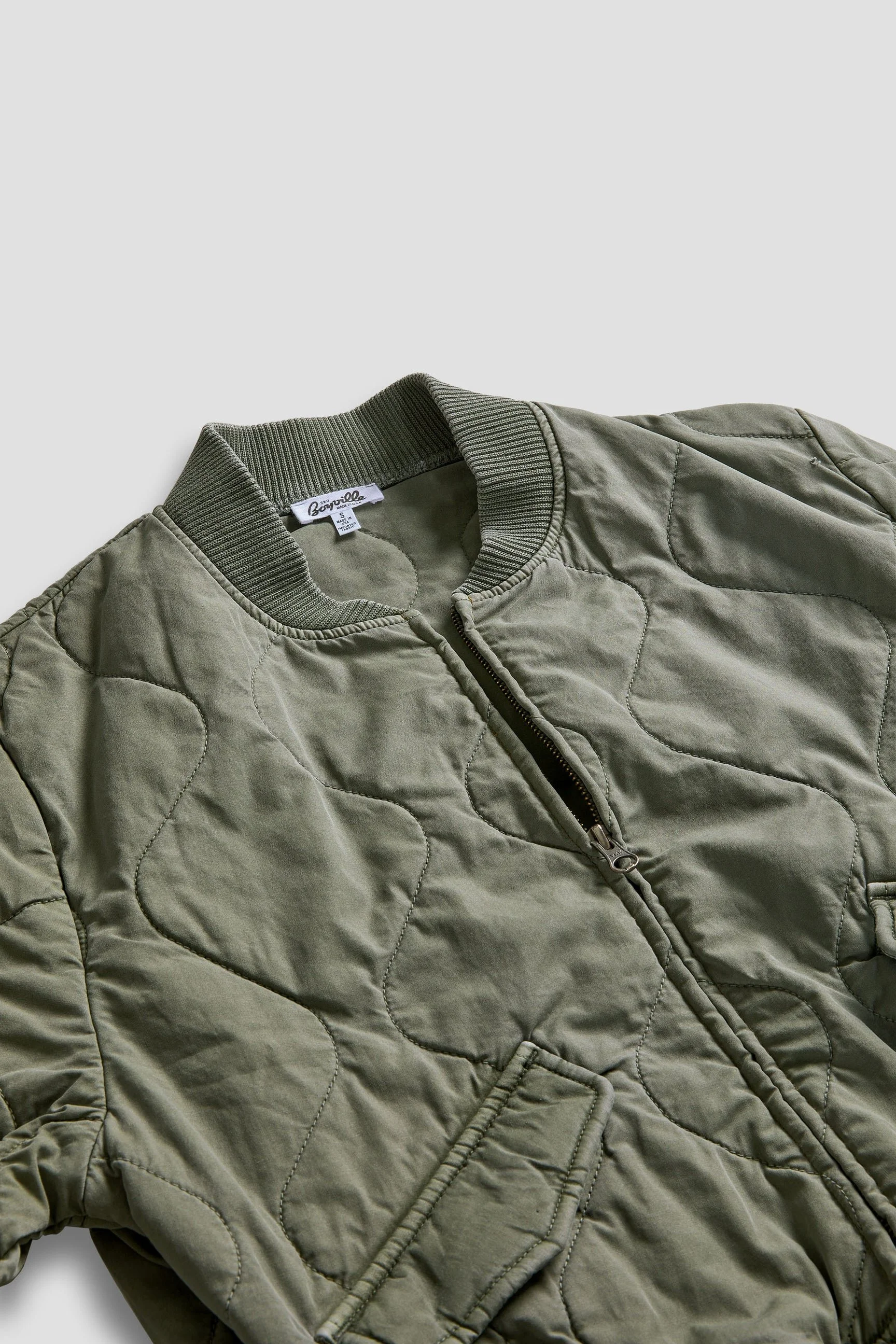
For brands like White & Warren, where cream, taupe, camel, and other soft cashmere shades need to appear distinct and true to life, professional color management is essential. The same level of precision also improves quality and style expectations. Detail shots reveal fabric texture, stitching, construction, necklines, sleeves, hems, closures, and finishing details, so customers can clearly see what they are buying.
Professional lighting and styling make garments look appealing without exaggerating or misrepresenting the product. Apparel brands often see “quality not as expected” returns drop 30–40%, while color-related returns can drop 40–60% when professional photography gives customers a more accurate view of the product online.
The Data on Professional Photography and Return Rates
Industry research and our client experience both demonstrate photography's impact on returns:
Fashion brands with professional photography average 15-20% return rates compared to 25-35% for brands with amateur photography.
Brands that add multiple angles (front, back, details) see return rates drop 8-12 percentage points compared to single-angle photography.
Color-accurate photography reduces "wrong color" returns by 40-60% according to client data.
Detail shots showing texture and construction reduce "quality not as expected" returns by 30-40%.
What Professional Fashion Photography Includes
Understanding what drives return reduction helps identify essential photography elements:
Multiple angles per garment provide comprehensive views. Ideally, include front, back, detail shots, and style variations.
Consistent styling creates reliable customer expectations. When styling varies randomly, customers can't develop accurate expectations about fit and appearance.
Color accuracy through calibrated workflows prevents color disappointment.
Detail photography showing fabric texture, construction quality, closures, and design elements answers customer questions before purchase.
Appropriate product preparation ensures garments photograph at their best, representing what customers will actually receive.
Professional retouching that enhances without misrepresenting maintains accuracy while creating appealing images.
Common Photography Mistakes That Increase Returns
These certain photography errors can directly cause an increase in return rates:
Inaccurate color representation from poor lighting or editing means customers receive a different color than expected.
Single-angle photography leaves customers guessing about back views, overall fit, and design/construction details.
Over-styled or misleading compositions that make garments look different from what they actually are.
Poor lighting that doesn't show fabric texture or quality accurately.
Inconsistent photography quality across a catalog creates unreliable expectations.
The Long-Term Customer Behavior Impact
Return rates affect more than immediate profitability:
First-purchase return rates predict customer lifetime value, as customers who return nothing become loyal buyers, and customers who return everything rarely return as customers.
Repeat purchase rates increase when customers receive what they expected, and their satisfaction with accurate product representation drives reorders. In addition, review quality improves when products match customer expectations.
"Exactly as pictured" reviews attract new customers, and word-of-mouth reviews become positive when customers receive accurately represented products.
Making the Investment Decision
If your return rate is climbing above 20%, it may be time to take a closer look at your product photography. Returns labeled “not as pictured” or “quality not as expected,” along with reviews that mention products looking different in person, are often signs that your imagery is not setting accurate expectations. For fashion brands that are scaling, launching new collections, or trying to protect profit margins, professional photography can help close that expectation gap before it turns into costly returns.
Getting Started with Return-Reducing Photography
Audit your current return reasons and identify where photography may be contributing to customer confusion or unmet expectations. Prioritize high-return products first, investing in professional multi-angle coverage that includes front, back, side, and detail shots. From there, make sure color accuracy is supported through a professional workflow, and pair every product with a detailed description. Continue monitoring return rates by product to understand what is working.
For fashion brands, reducing returns is not just about saving on shipping, restocking, or processing costs. It is about creating a more sustainable, profitable customer experience where shoppers receive exactly what they expect.
Ready to see how professional apparel photography can reduce your return rates and improve profitability? Let’s talk about your current returns situation and how stronger product imagery can pay for itself many times over.