
What to Look for When Hiring an eCommerce Product Photography Studio
Hiring the right product photography studio can mean the difference between product pages that convert and product pages that send customers to your competitors. After watching hundreds of brands make this decision over seven years, we've seen what separates smart hiring choices from expensive mistakes. Let's walk through exactly what to evaluate when choosing a photography partner for your eCommerce business.
Start With Category Specialization
The first question to ask isn't about pricing or turnaround time. It's about category expertise.
A photographer with a stunning portfolio of food might be terrible at apparel. Someone who excels at jewelry might struggle with cosmetics. Product photography specializations matter more than most brands realize.
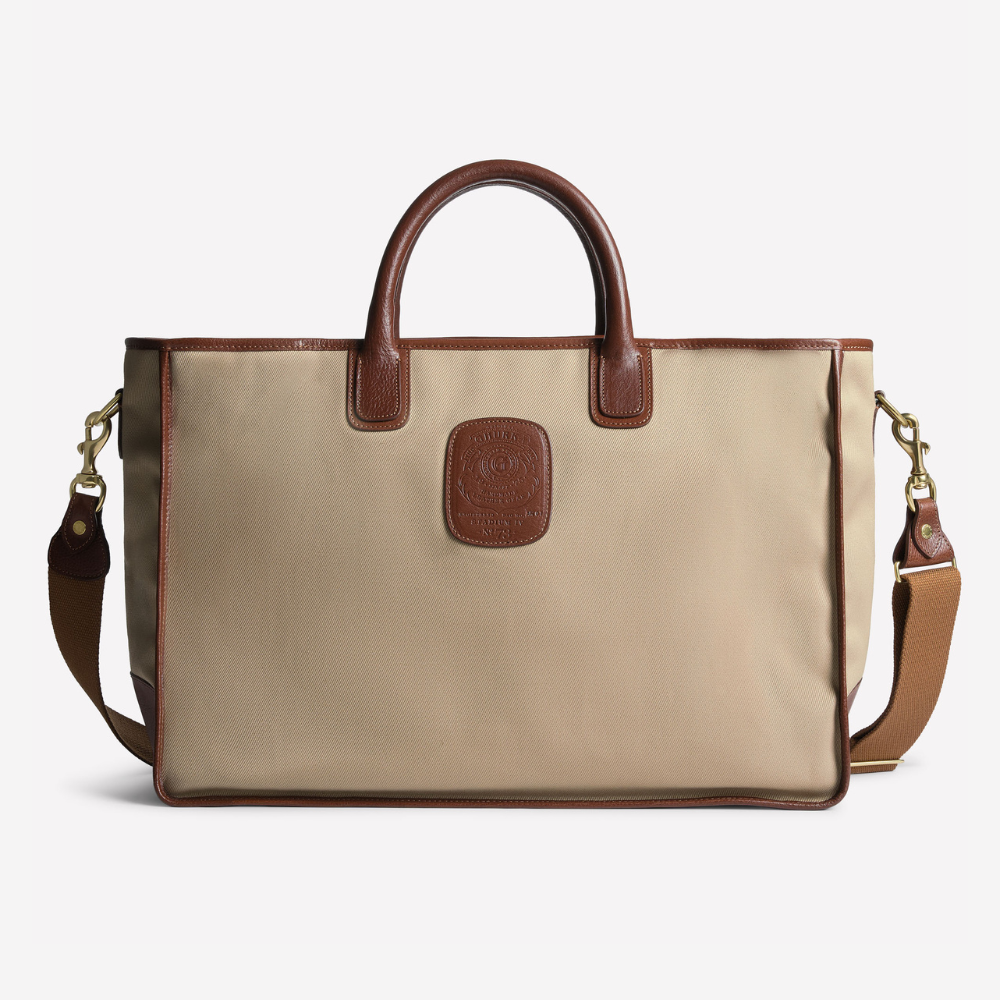
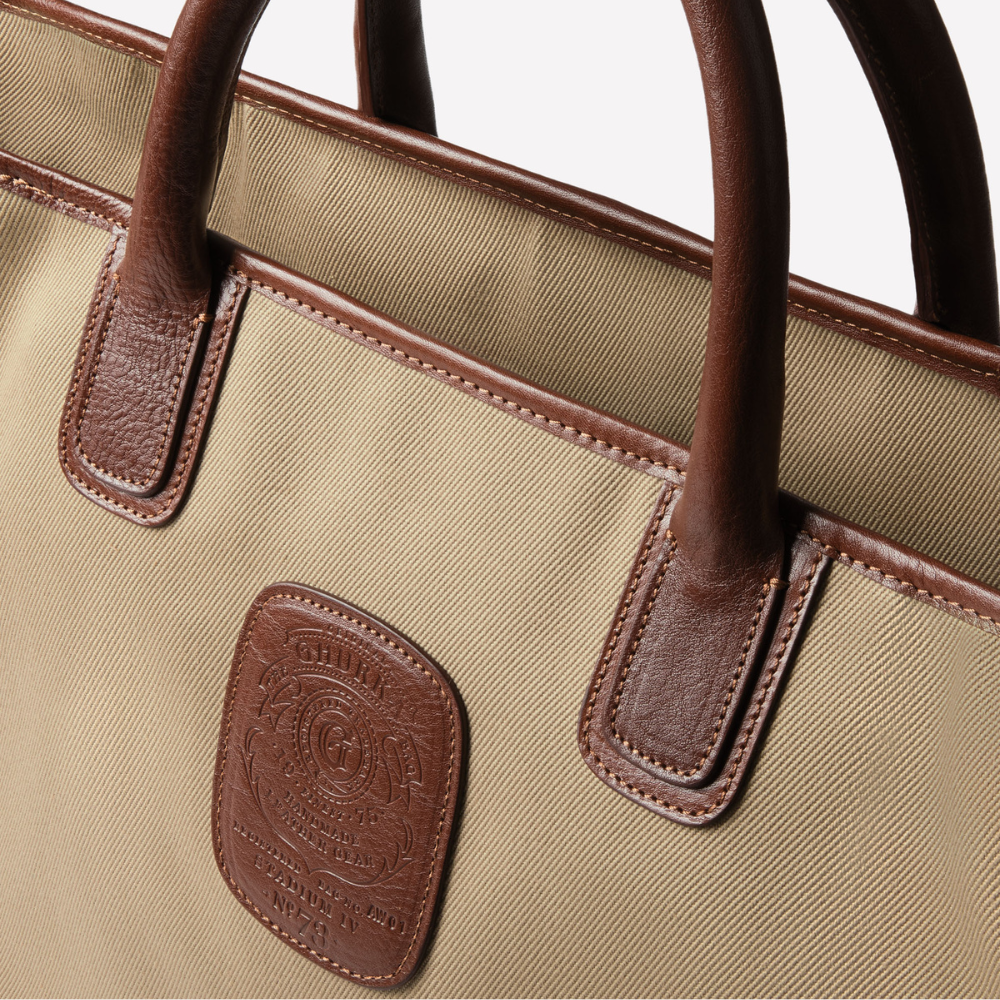
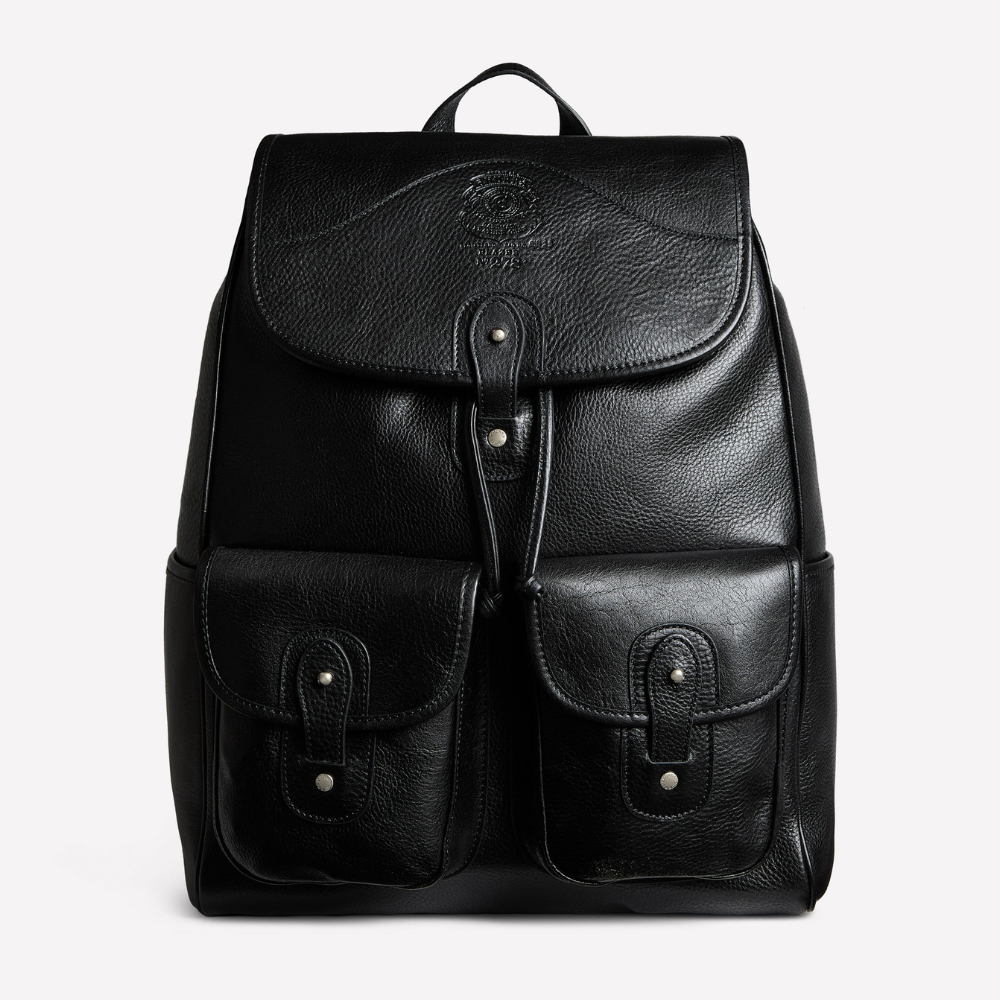
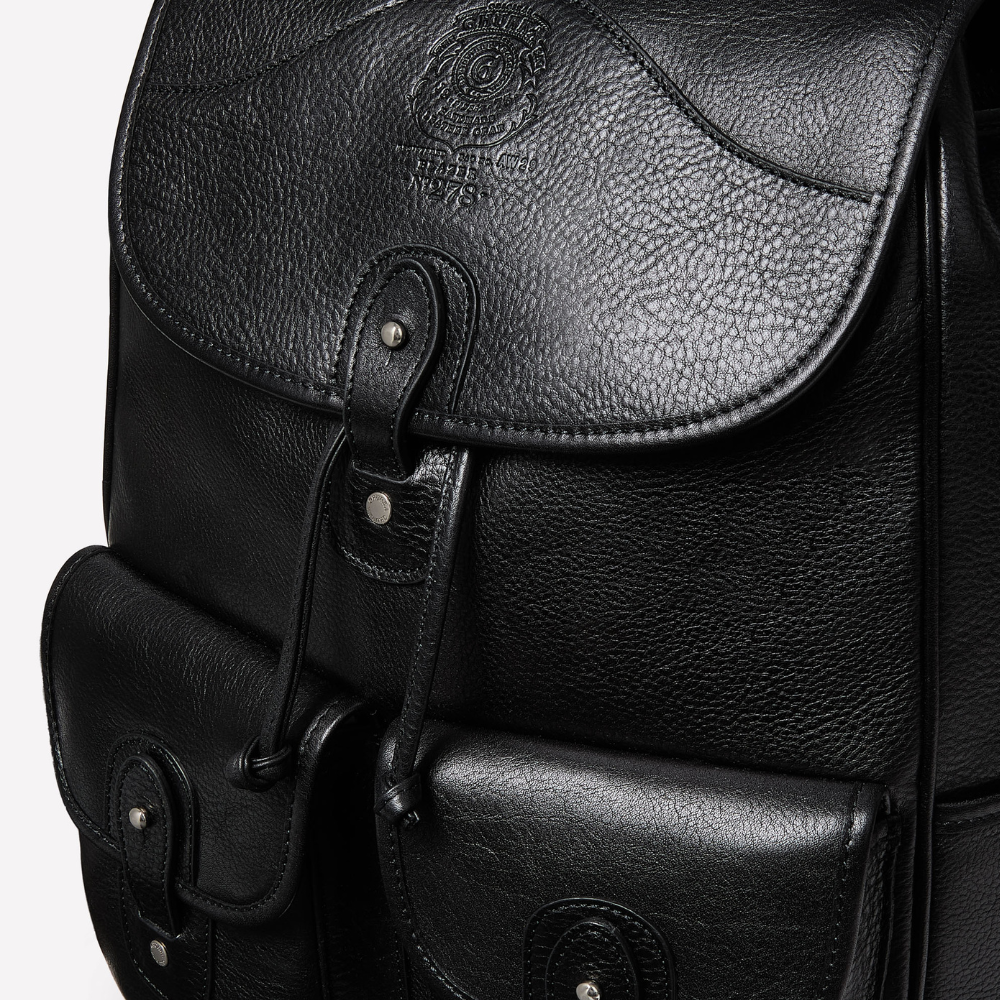
Here's what separates professional studios from true generalists: we shoot all categories, but we hire specialist photographers and stylists for each one. At Razor Creative Labs, you'll see apparel, cosmetics, jewelry, handbags, accessories, and even food photography on our website. But we're not a generalist operation where one photographer shoots everything. Instead, we bring in expert photographers daily based on the project. Our cosmetics photographer specializes in beauty products and understands color accuracy. Our handbag photographer knows luxury leather goods and how to capture texture. The stylists on that set knows how to stuff bags perfectly. When we shoot food, we hire food photographers and professional food stylists who bring culinary expertise.
This specialist approach means you get category-specific expertise, not a general photographer attempting your product type for the first time.
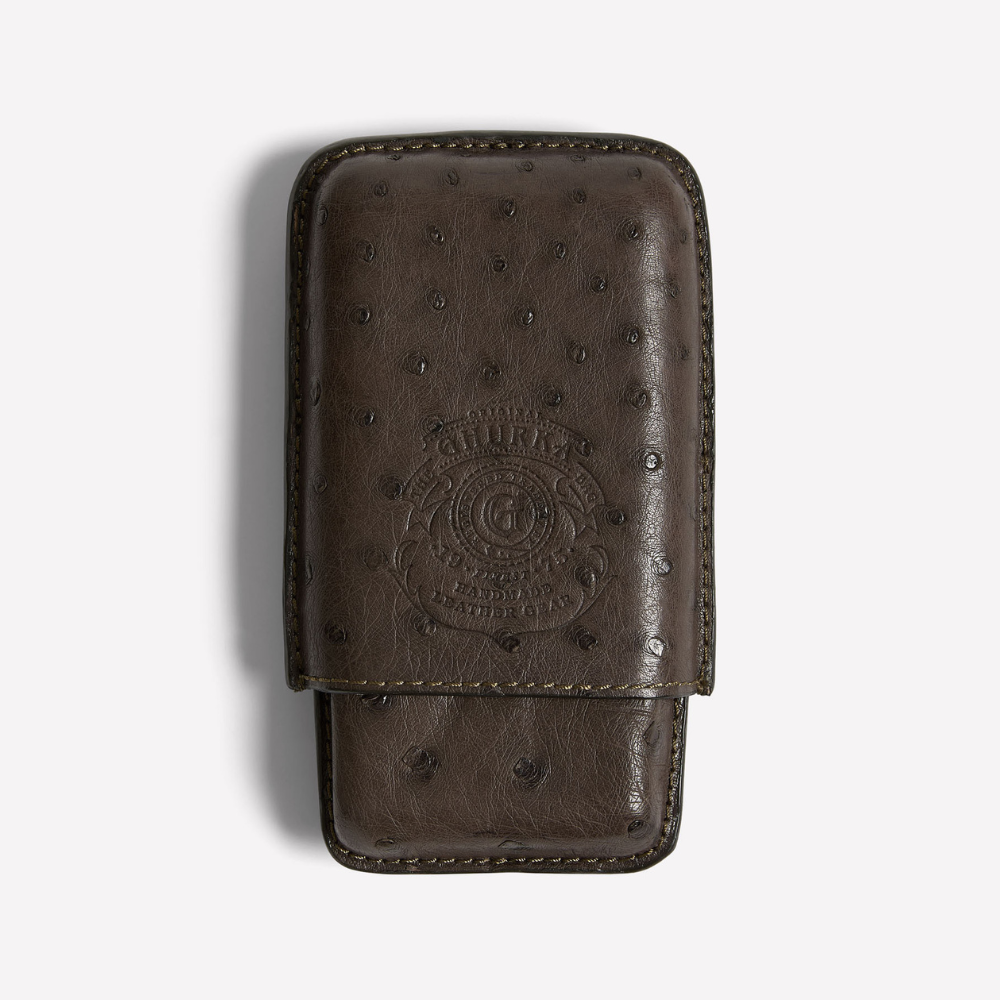
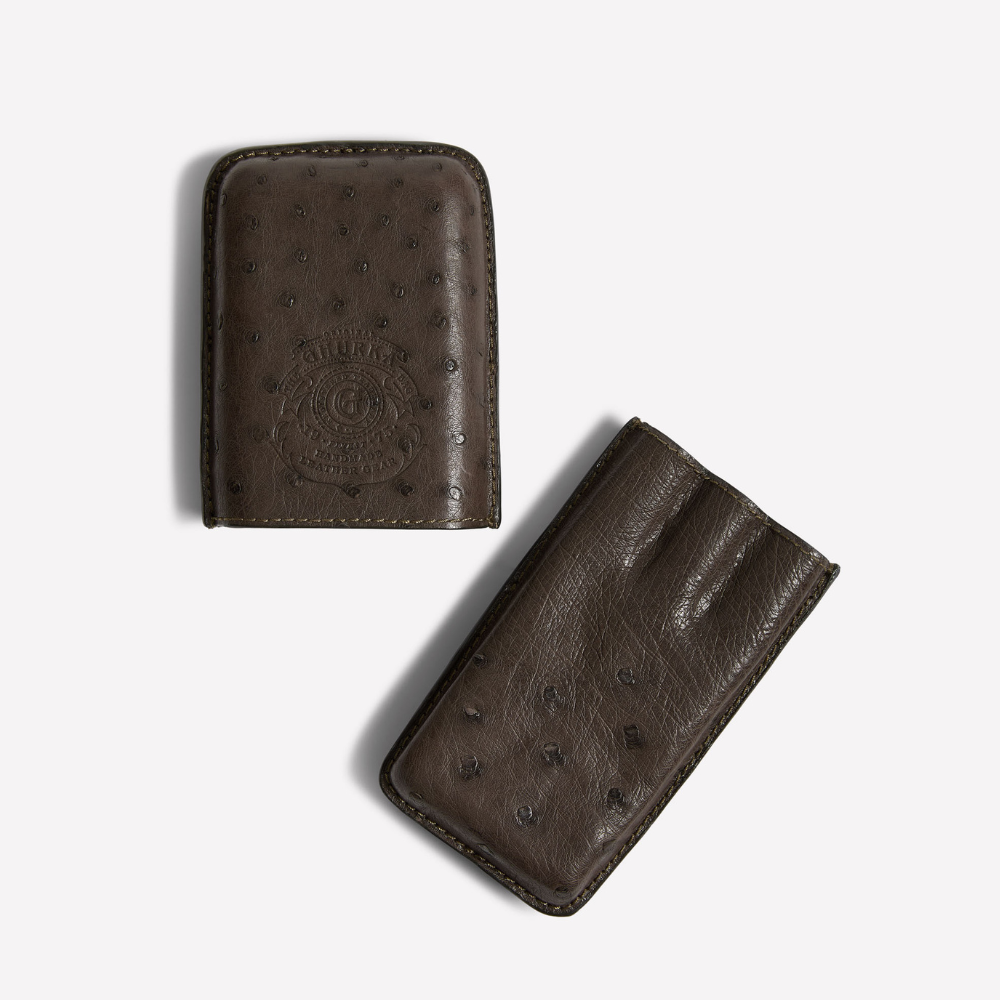
When you're evaluating studios, look for portfolios that feature your specific product category. Not just one or two examples buried in a massive portfolio, but multiple projects showing depth of experience. If you sell apparel, you want to see dozens of clothing items photographed with consistent quality. If you sell beauty products, you need to see examples demonstrating color accuracy across multiple shades. If you sell accessories, look for detail shots showing texture, materials, and craftsmanship.
Specialists develop techniques and workflows specific to their categories that generalists simply don't have.


Volume Capacity Reveals Professional Operations
How many products does the studio photograph per week? This single question reveals whether you're talking to a professional operation or a freelancer pretending to scale. Studios that specialize in eCommerce should have clear capacity numbers. If they hesitate or say "it depends," that's a red flag. Professional studios know their throughput because they track it.
At our Brooklyn studio, we shoot 200-500 products per week regularly. That's not a theoretical maximum. That's standard operation. We can tell you exactly how many pieces we can deliver by a specific date because we've done it hundreds of times. Why does volume capacity matter even if you're only shooting 50 products? Because volume capability requires systems. Studios that can handle 500 products have workflows, backup equipment, scalable teams, and quality control processes that benefit small shoots too. A freelancer who typically shoots 20 products per project might struggle with your 50-product shoot. A studio that regularly handles 300-product projects can execute your 50-product shoot efficiently and professionally.
Consistency Across Collections Matters More Than Hero Shots
Portfolio evaluation requires looking beyond the beautiful hero shots every studio displays prominently. Examine the consistency. Does the lighting quality remain the same from product one to product 30? Do the backgrounds stay pure white without color shifts? Is the styling standard consistent throughout? Does the editing quality hold up across the entire collection?
When we photograph 300+ pieces for Dover Street Market's seasonal launches, product 300 looks as good as product one. That's the standard professional studios maintain. If a studio's portfolio only shows individual hero shots and never full collections, they might not have the consistency you need. Look for signs of quality degradation within projects. If the first few images in a collection look great but the quality declines toward the end, that studio doesn't have the systems or stamina for reliable production work.


Turnaround Time Indicates Operational Efficiency
Ask specific questions about turnaround time and listen carefully to the answers. "How long from receiving our products until we get finished images?" should get a specific answer. For a typical 50-100 product shoot, one week from receiving samples to delivering final images is reasonable for a professional eCommerce studio. If they quote two to three weeks for a small shoot, they're either overbooked, understaffed, or inefficient. If they promise 48-hour turnaround, they're probably cutting corners somewhere. Ask what happens if you need faster delivery. Professional studios should be able to offer rush services with clear timelines and pricing. If they say rush isn't possible, they lack operational flexibility. Also ask about revision turnaround. Once you review images and request changes, how long until you get the revisions back? Professional studios typically turn revisions around in 48-72 hours.
Revision Policy Shows Customer Service Philosophy
Understanding the revision policy before working with a studio prevents frustration later. Most professional studios include one to two revision rounds in their base pricing. This is standard because even with the best communication, some adjustments are normal. Red flags include studios that charge for every small change or studios that don't clearly state their revision policy upfront. If getting answers about revisions feels like pulling teeth, imagine how frustrating the actual revision process will be. Ask specific questions: "If we need a background color adjusted or a product re-styled, is that covered?" "How many rounds of revisions are included?" "What's the cost for additional revisions beyond what's included?" Clear, confident answers indicate a studio comfortable with their processes and committed to client satisfaction. Vague or defensive answers suggest problems ahead.
Technical Capabilities Reveal True Professionalism
Certain technical questions reveal whether you're talking to professionals or amateurs pretending to be professionals. For beauty brands, ask about color management. Professional studios should mention calibrated monitors, controlled lighting, and color management workflows. If they just say "we're careful with color," that's not reassuring. For apparel brands, ask about their styling process. Professional studios should have detailed answers about garment preparation, steaming, arrangement techniques, the professional stylists they hire, and how they maintain consistency across large collections. For accessories brands, ask about lighting challenging materials. How do they photograph reflective metals without glare? How do they show leather texture? How do they capture sparkle in jewelry? Specific technical answers indicate real expertise. For all categories, ask what equipment they use. While expensive cameras don't automatically produce better results, professional studios should be using professional-grade equipment and should be able to explain why.
Communication Quality Predicts Working Relationship Quality
Pay attention to how the studio communicates during the evaluation process. This is their best behavior. If communication is slow, vague, or unprofessional now, it will be worse once they have your money. Professional studios respond to inquiries within 24 hours. They answer questions directly without evasiveness. They provide clear information about pricing, process, and timelines without making you work for it. If getting a quote requires multiple follow-up emails or if basic questions get vague non-answers, expect that frustration to continue throughout the project.
Pricing Structure Indicates Business Maturity
Professional studios have clear, structured pricing. They can give you accurate quotes quickly because they've priced thousands of projects. Red flags include pricing that varies wildly with no clear explanation, quotes that take days to receive for straightforward projects, or studios that can't articulate what's included in their pricing. Ask what's included in the per-image price. Professional studios typically include styling, shooting, basic retouching, and delivery in multiple file formats. If basics like background removal or color correction cost extra, you're not getting full-service photography. Also ask about additional costs. Are there fees for rush delivery? For additional revisions? For specific file formats? Understanding the full cost structure prevents surprise bills later.
Client References Provide Real-World Validation
Ask for client references and actually contact them. A studio confident in their work will happily provide references. When you contact references, ask specific questions: "Did they deliver on time?" "How was communication throughout the project?" "Did the final images match what you expected?" "Would you hire them again?" "Were there any unexpected issues or costs?" The answers reveal how the studio performs when the contract is signed and the pressure is on.



Portfolio Recency Matters More Than You Think
Check when the portfolio work was created. Portfolios filled with work from five years ago suggest the studio isn't actively shooting or isn't proud of recent work. Professional studios constantly update portfolios with recent projects. If you're looking at their website in 2026, you should see work from 2025 and 2026, not just 2020 and 2021. Also check if they're showing client work or personal projects. Some portfolios include mostly spec work shot for the portfolio rather than real client projects. Real client work demonstrates that brands trust them with actual launches and real budgets.
A strong portfolio signals capability, but partnership is what drives results. Once you’ve vetted the work itself, the next question is how that team shows up alongside you. The best photography partnerships feel collaborative, not transactional. You should feel like you're working with experts who care about your launch success, not vendors who just want to invoice and move on.
Ready to evaluate whether our Brooklyn studio is the right fit for your eCommerce photography needs? Let's talk about your products, your timeline, and your goals. We'll give you straight answers about whether we're the right partner for your specific situation.