
Beauty Product Photography Pricing: What Makeup and Skincare Brands Actually Pay
Beauty product photography consistently costs more than most other product categories, and there's a clear reason: the technical challenges are extraordinary. Understanding what drives these costs helps beauty brands budget accurately and recognize the value professional photography delivers.
Why Beauty Photography Is One of the Most Expensive Categories
Beauty and cosmetics photography ranks alongside jewelry as one of the most technically demanding and expensive product photography categories. What is the primary challenge that drives costs? Packaging complexity.
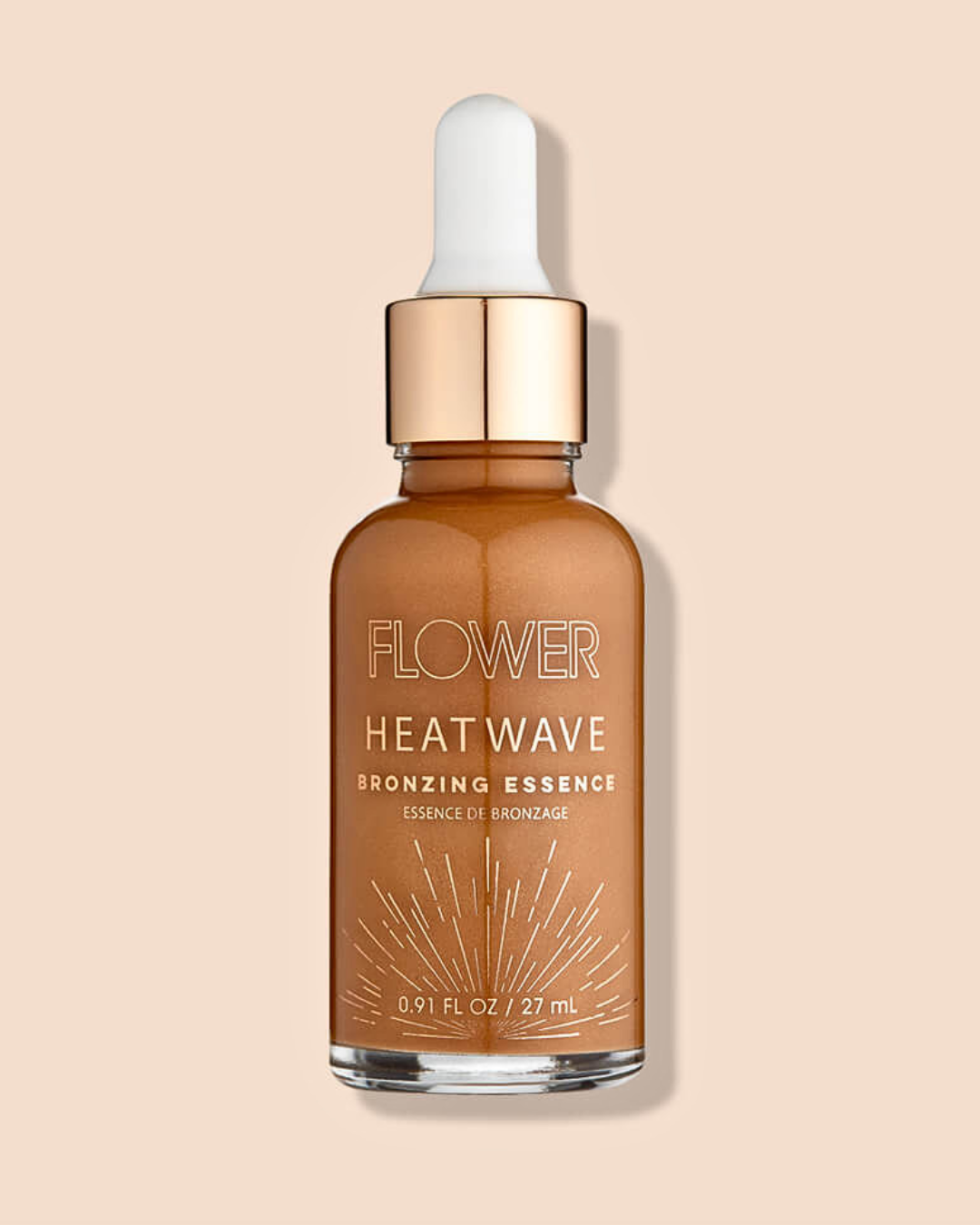
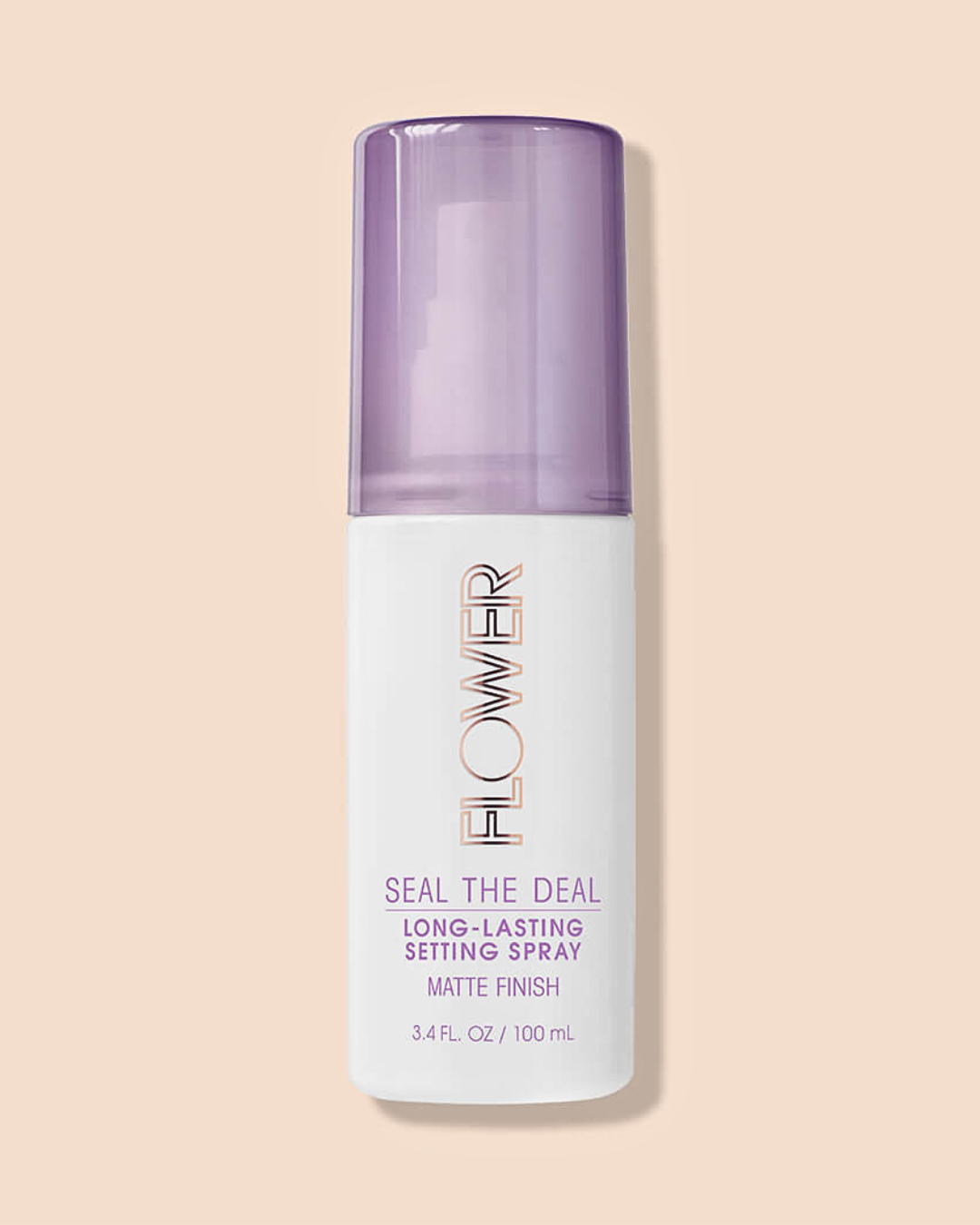
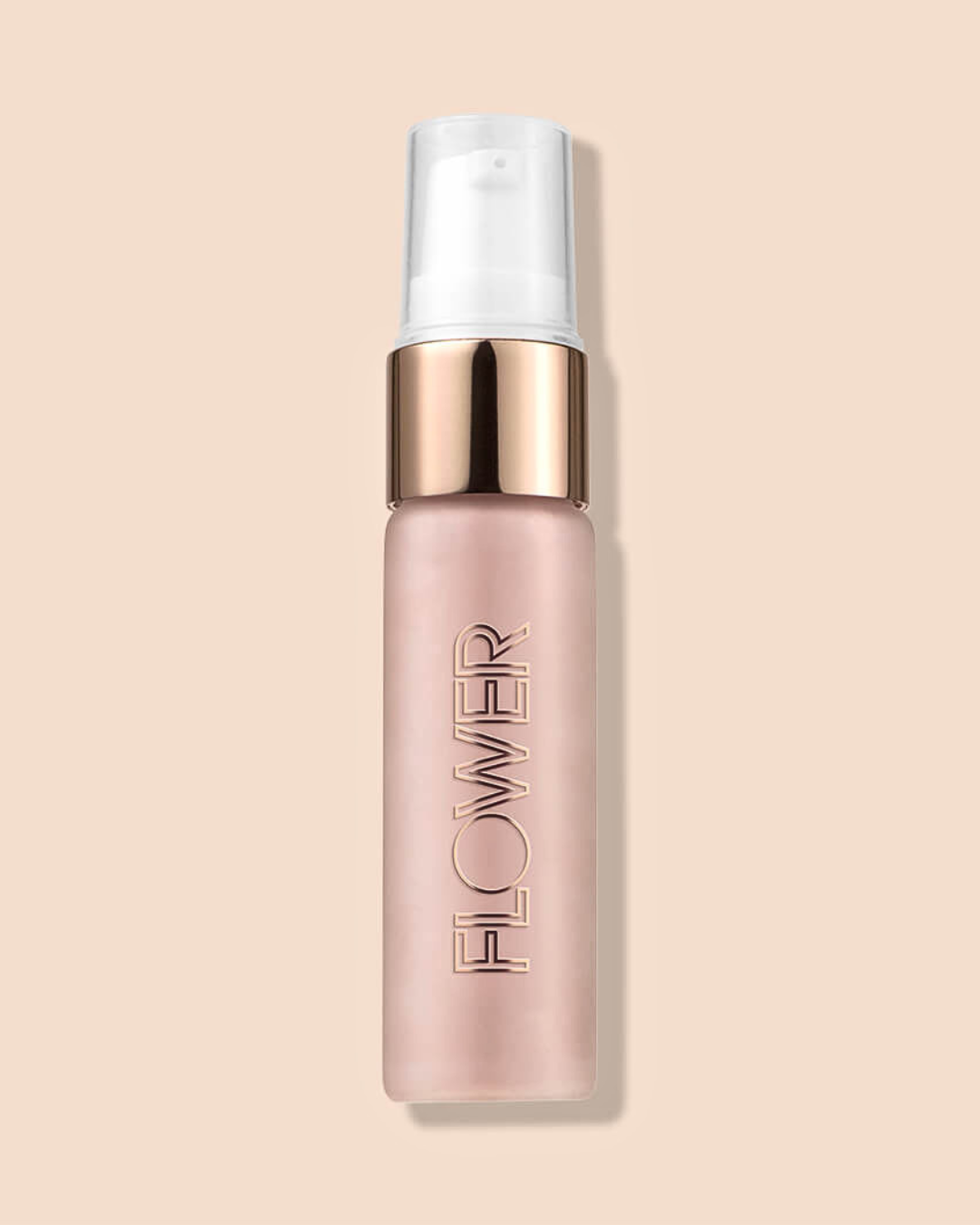
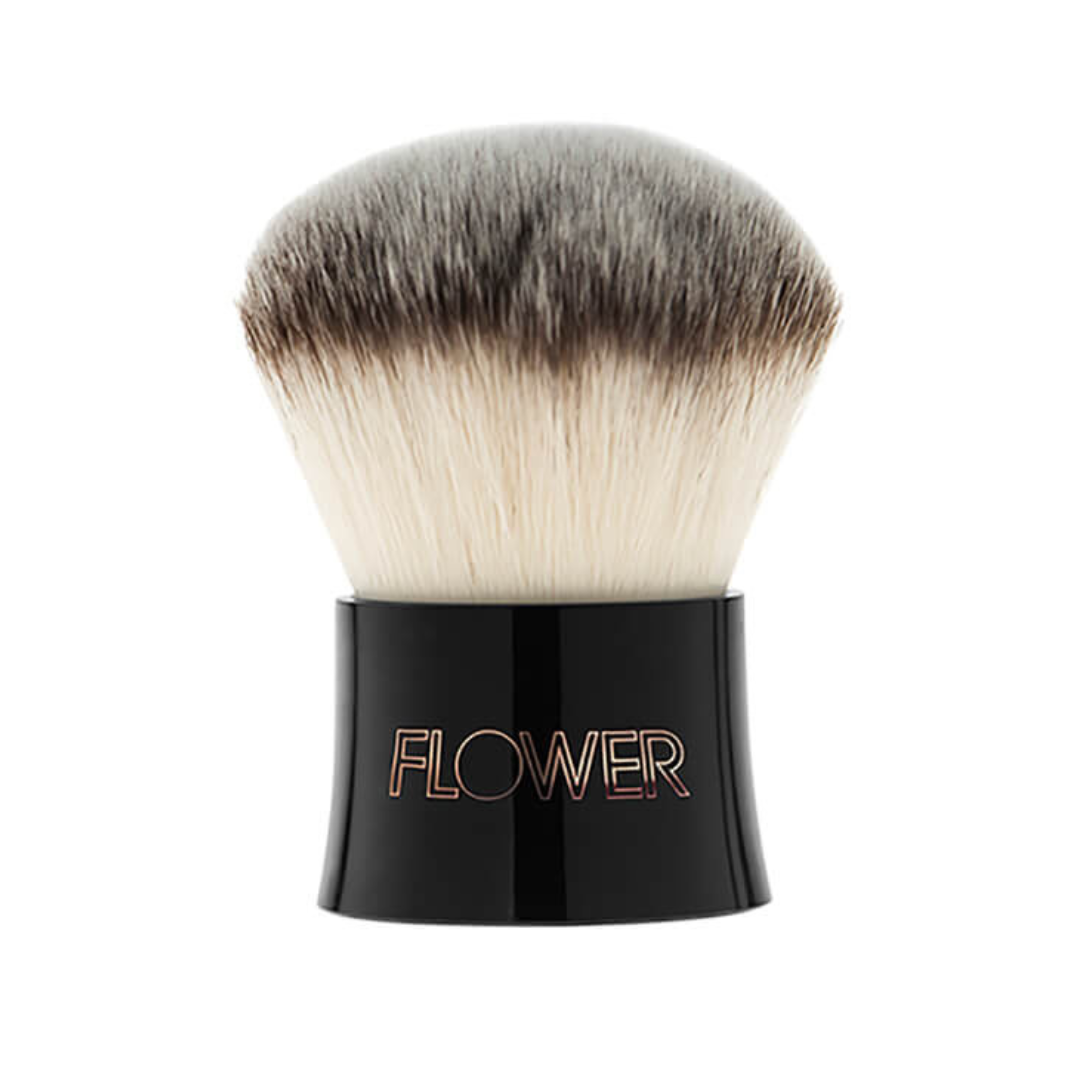
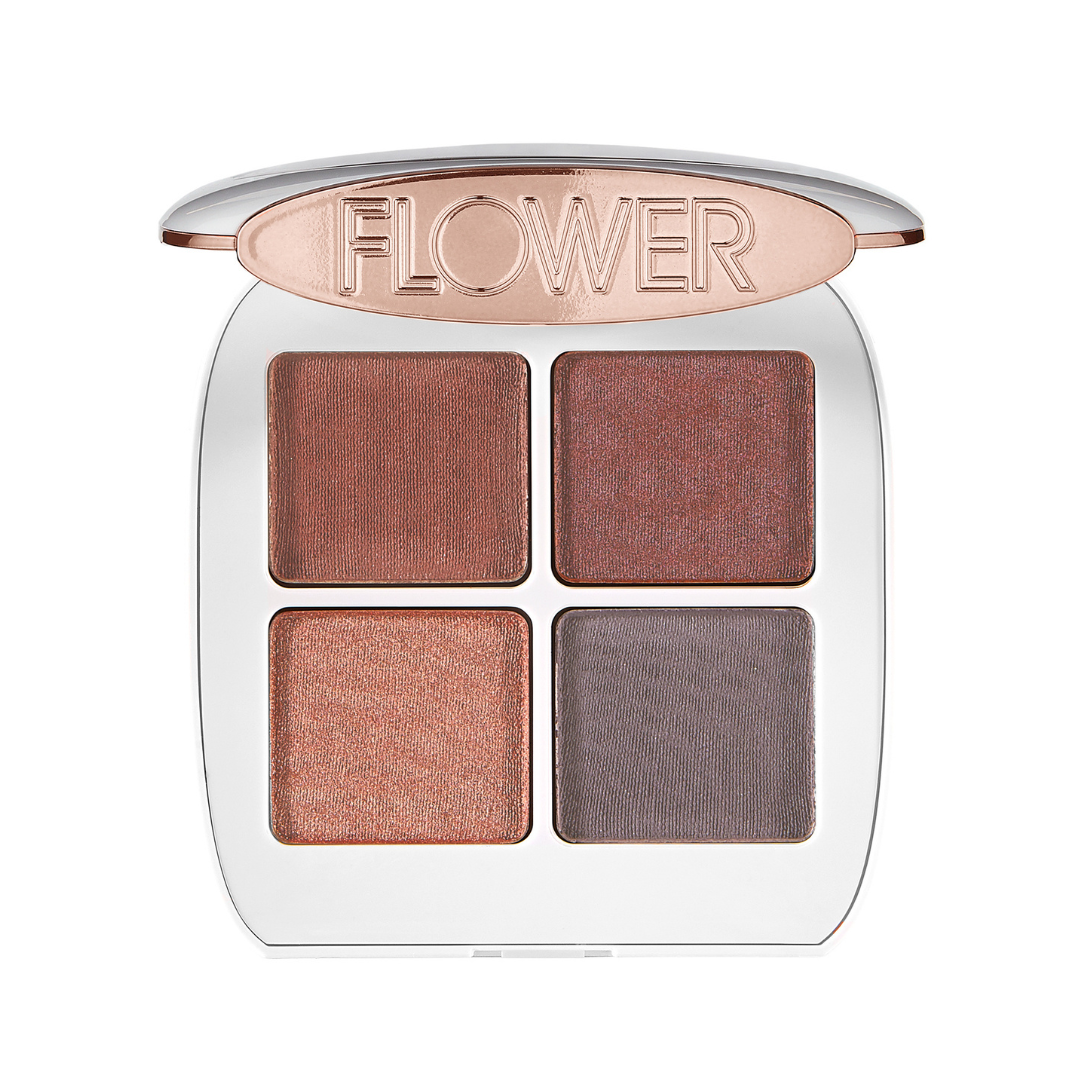
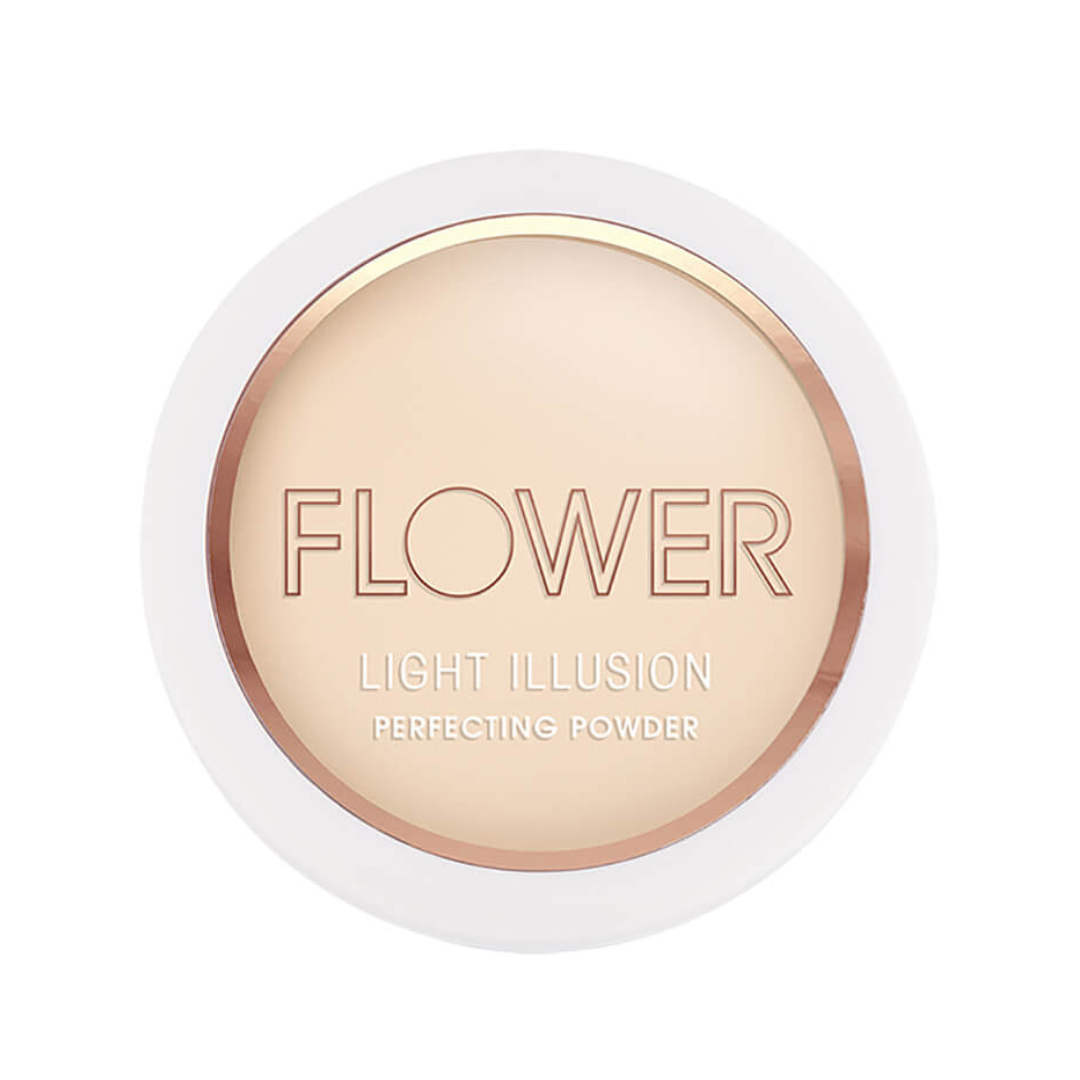
Most beauty product packaging combines multiple difficult-to-photograph materials in a single item. A typical skincare bottle might have translucent plastic, shiny metal caps, and matte labels. A cosmetics compact could feature a reflective metal casing with clear acrylic windows. A serum bottle might be clear glass with metallic accents and glossy labeling.
Each of these materials requires completely different lighting approaches. Translucent materials need backlighting to show their transparency. Shiny metal surfaces require careful reflection control to avoid glare. Matte finishes need directional lighting to show texture without washing out. Reflective surfaces demand precise light placement to control what reflects in them.
What could be more challenging than that, you ask? Most beauty packaging combines two or more of these contradictory elements. Lighting that works perfectly for the translucent bottle creates harsh reflections on the metal cap. Lighting that controls the metal cap reflection makes the translucent bottle look flat and lifeless. The lighting design becomes a complex puzzle where solving one element creates problems for another.
This lighting challenge approaches the difficulty of jewelry photography. Just as a diamond ring requires lighting that shows sparkle without blowing out details, beauty products demand lighting solutions that handle multiple conflicting material requirements simultaneously.
At Razor Creative Labs, we hire photographers who specialize specifically in beauty products because they've developed the technical expertise to light these complex packages. These aren't general product photographers who occasionally shoot cosmetics. They're specialists who understand how to balance contradictory lighting needs.
Product Variety Adds Additional Complexity
Beyond packaging challenges, the products themselves present an enormous variety. Beauty brands sell liquids, foams, gels, powders, creams, serums, oils, balms, and more. Each product type requires different lighting and styling approaches.
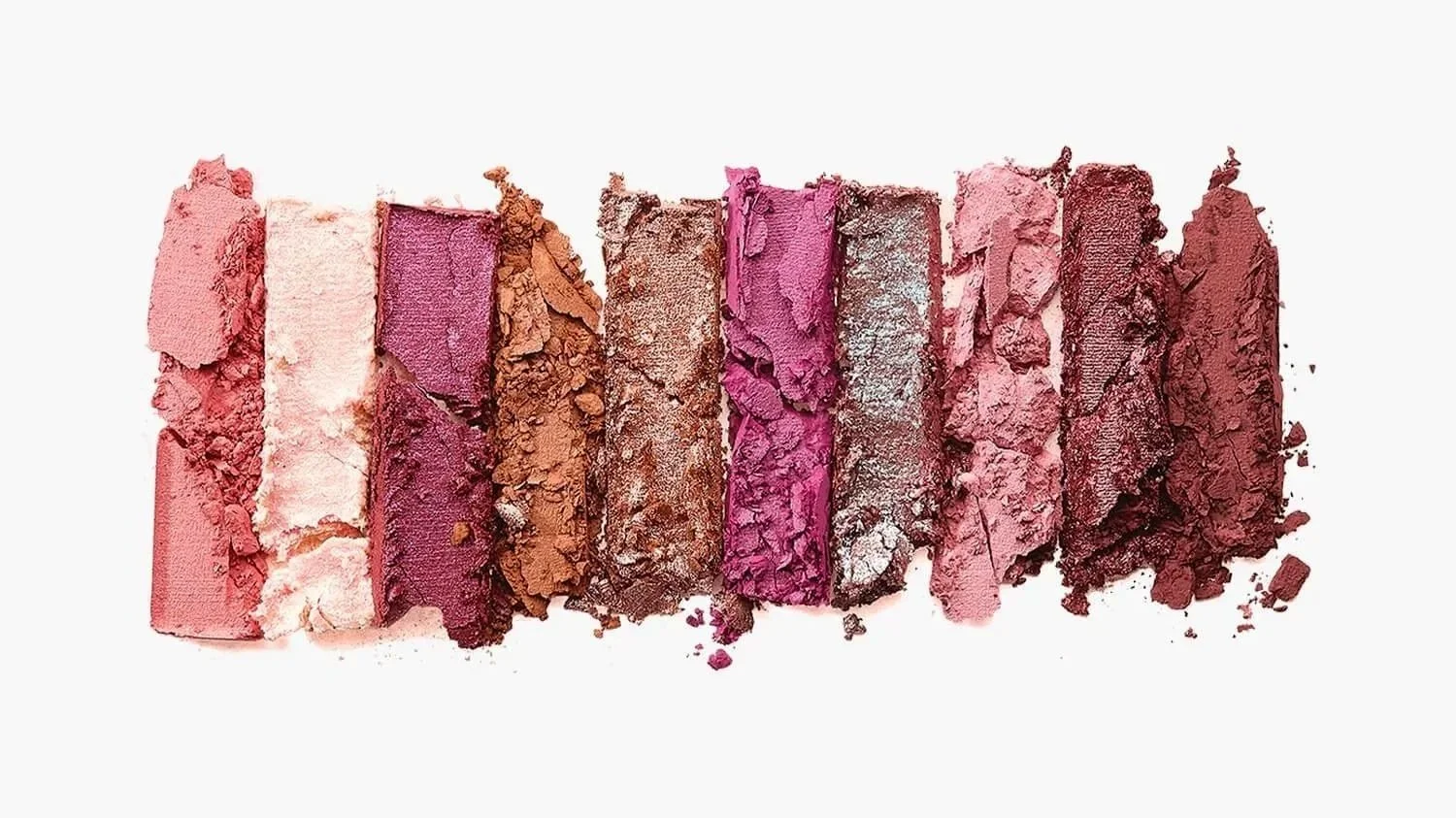
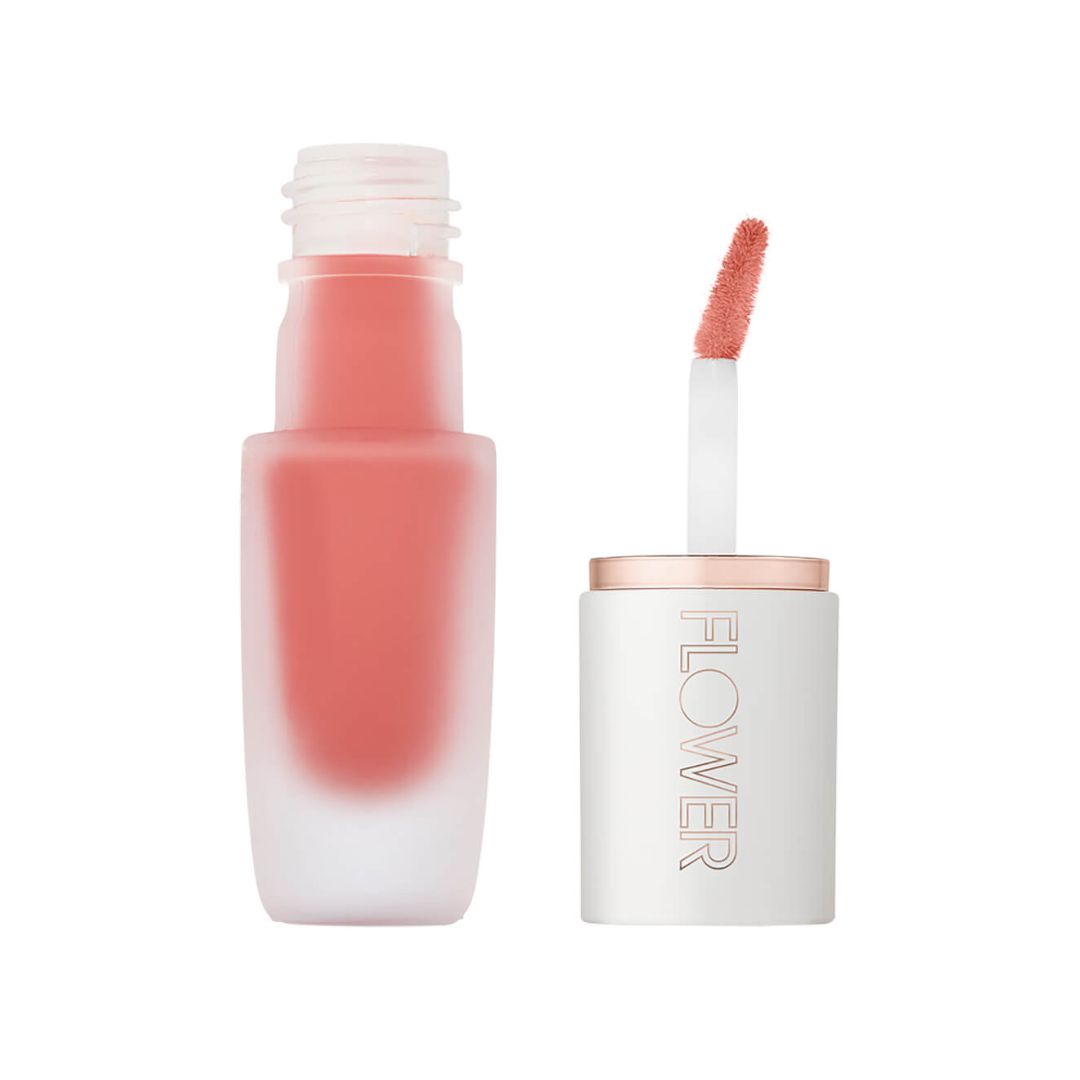
Liquids need lighting that shows their fluid consistency and color accurately without creating unwanted reflections in the container. Foams require lighting that captures their airy, lightweight texture. Gels need lighting that shows their smooth, viscous quality. Powders demand lighting that reveals their soft, matte finish without harsh shadows. Creams require lighting that communicates their rich, smooth texture.
On top of these lighting challenges, styling any individual beauty product properly requires specialized expertise. A professional beauty stylist understands how to position products, prepare them for photography, align caps and pumps perfectly, and present products in ways that communicate luxury and quality. This isn't general product styling. It's category-specific expertise that commands professional rates.
Professional beauty stylists typically bill $650-$1,200 per project, and that cost is factored into beauty photography pricing. For complex beauty shoots requiring swatches or on-model photography, expert styling isn't optional. It's essential to achieving professional results.
The Pricing Reality for Beauty Product Photography
Given these technical challenges and the specialized expertise required, beauty product photography costs significantly more than simpler product categories.
Professional beauty product photography typically costs a minimum of $50 per product and can reach $200 per product depending on complexity.
Basic beauty products (simple bottles, single materials, straightforward angles) start at $50-$75 per product. This includes professional photography with color-managed workflows, lighting designed for the specific packaging materials, standard retouching, and delivery in multiple file formats.
Complex beauty products (multi-material packaging, reflective surfaces, products requiring swatch photography or lifestyle styling) cost $100-$150 per product. This pricing reflects the additional time required for complex lighting setups and the expertise needed to handle challenging materials.
Premium beauty photography (luxury packaging, extensive detail shots, swatch photography on models, lifestyle images) can reach $150-$200+ per product. When you add professional stylist costs ($650-$1,200 per project) and model fees for swatch photography, comprehensive beauty photography projects require significant budgets.
For a 30-product beauty line with standard complexity, expect to invest $2,000-$3,500 for professional photography. For luxury brands that require premium photography with styling and models, budgets of $5,000-$8,000 are more realistic for 30 products.
What's Included in Beauty Photography Pricing
Beauty product photography pricing can vary widely, but understanding what’s included at each level helps brands evaluate the true value behind their investment:
At base level pricing ($50-$75 per product), professional beauty photography includes product preparation and cleaning, professional photography with color-managed workflows designed for accurate color representation, lighting setup appropriate for the specific packaging materials, background work creating pure white or custom backgrounds, standard retouching including color correction and minor imperfection removal, and file delivery in multiple formats for web, print, and social media.
At mid-tier pricing ($100-$150 per product), you get everything from base level plus multiple-angle coverage showing products from various perspectives, detail shots highlighting packaging quality and product features, more complex lighting setups for challenging materials, additional retouching for premium presentation, and color proofing rounds to verify accuracy before final delivery.
At premium pricing ($150-$200+ per product), expect comprehensive coverage including lifestyle or swatch photography, professional styling by beauty product specialists, model photography when showing products in use, extensive detail shots proving quality and craftsmanship, and white-glove service with multiple review rounds.
When Beauty Photography Investment Pays Off
For beauty brands, professional photography investment generates measurable returns:
Color accuracy reduces returns dramatically. When customers receive products that match the colors they saw online, return rates drop by 40-60%. For example, a brand that makes $100,000 in annual revenue can save $8,000-$12,000 from avoided returns.
Professional presentation supports premium pricing. When photography communicates luxury and quality effectively, customers can justify paying higher price points. Beauty brands can maintain higher margins with photography that supports and showcases their market positioning.
Competitive differentiation matters in crowded markets. When your photography shows packaging quality, product texture, and true colors better than competitors, you win customers who may be evaluating multiple options.
Photography that drives desire and inspires confidence means more browsers become buyers and higher conversion rates. Professional beauty photography that shows products clearly and accurately can improve conversion rates by 25-40%.
For a beauty brand doing $200,000 in annual revenue, professional photography that costs $4,000-$6,000 for a comprehensive product line typically pays for itself through improved conversions and reduced returns within 3-6 months.
What to Look for in Beauty Photography Partners
When evaluating photographers for beauty work, specific factors indicate capability:
Demonstrated expertise with challenging materials. Ask to see portfolio examples showing reflective metals, translucent plastics, glossy finishes, and matte surfaces. Can they handle all of these in a single product?
Color accuracy processes and workflows. Professional beauty photographers should discuss calibrated monitors, controlled lighting conditions, color management systems, and client color proofing rounds.
Experience with product variety. Can they show you examples of liquids, powders, creams, gels, and foams? Beauty brands need photographers who've handled every product type.
Access to specialized stylists. Do they work with beauty product stylists who bring category-specific expertise? This matters for achieving professional results.
Clear pricing structure that reflects complexity. If pricing seems too low for beauty photography, quality will suffer. Professional beauty photography costs more because it requires more expertise.
Getting Accurate Beauty Photography Quotes
When requesting quotes from studios:
Specify exact product types and packaging materials. "We have 20 serums in glass bottles with metal caps and 10 powder compacts with reflective cases" gets more accurate quotes than "beauty products."
Clarify if you need swatch photography, lifestyle shots, or product-only photography. Each has different pricing.
Ask about stylist costs. Are they included in per-product pricing or billed separately?
Request example timelines. How long from shipping products until receiving the final images?
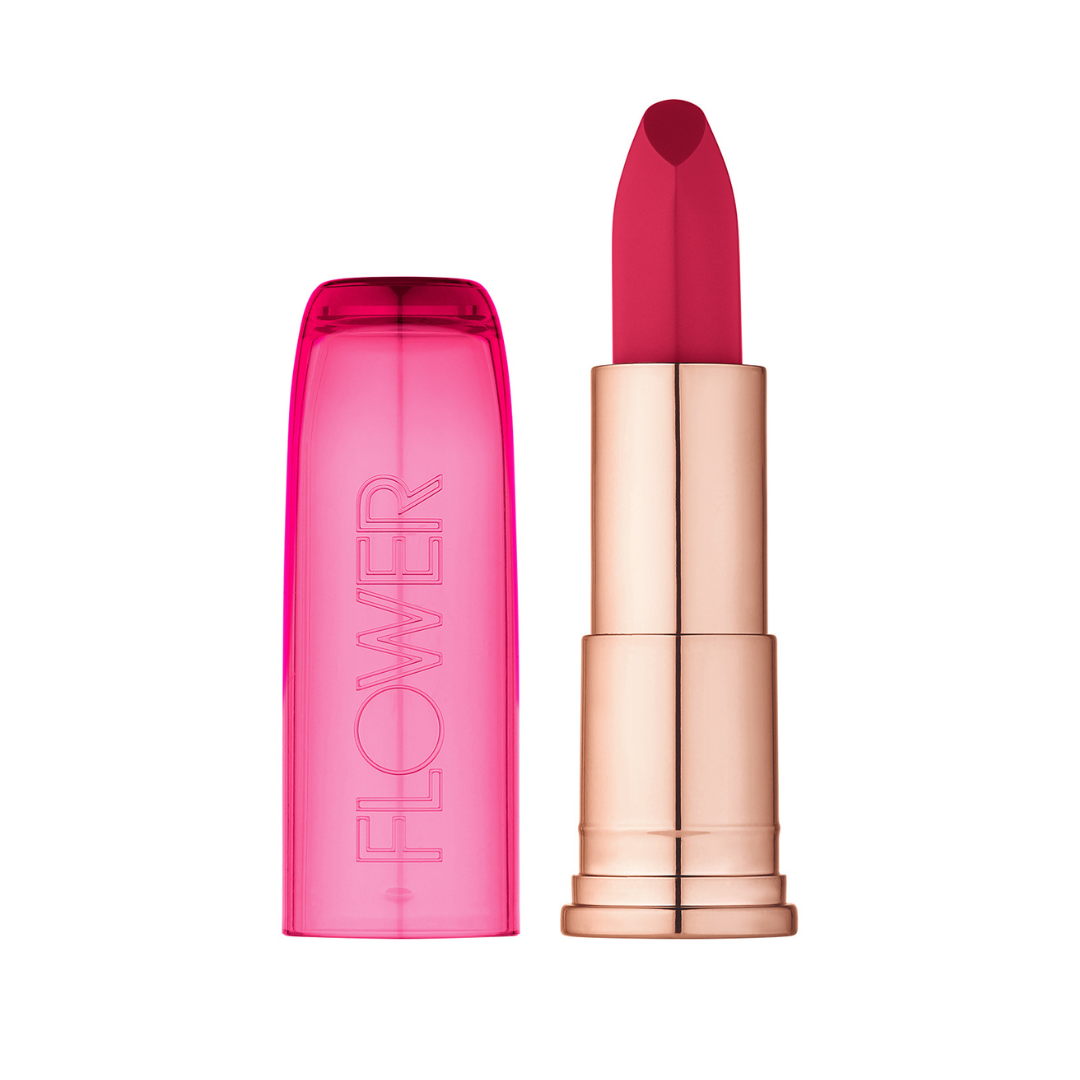
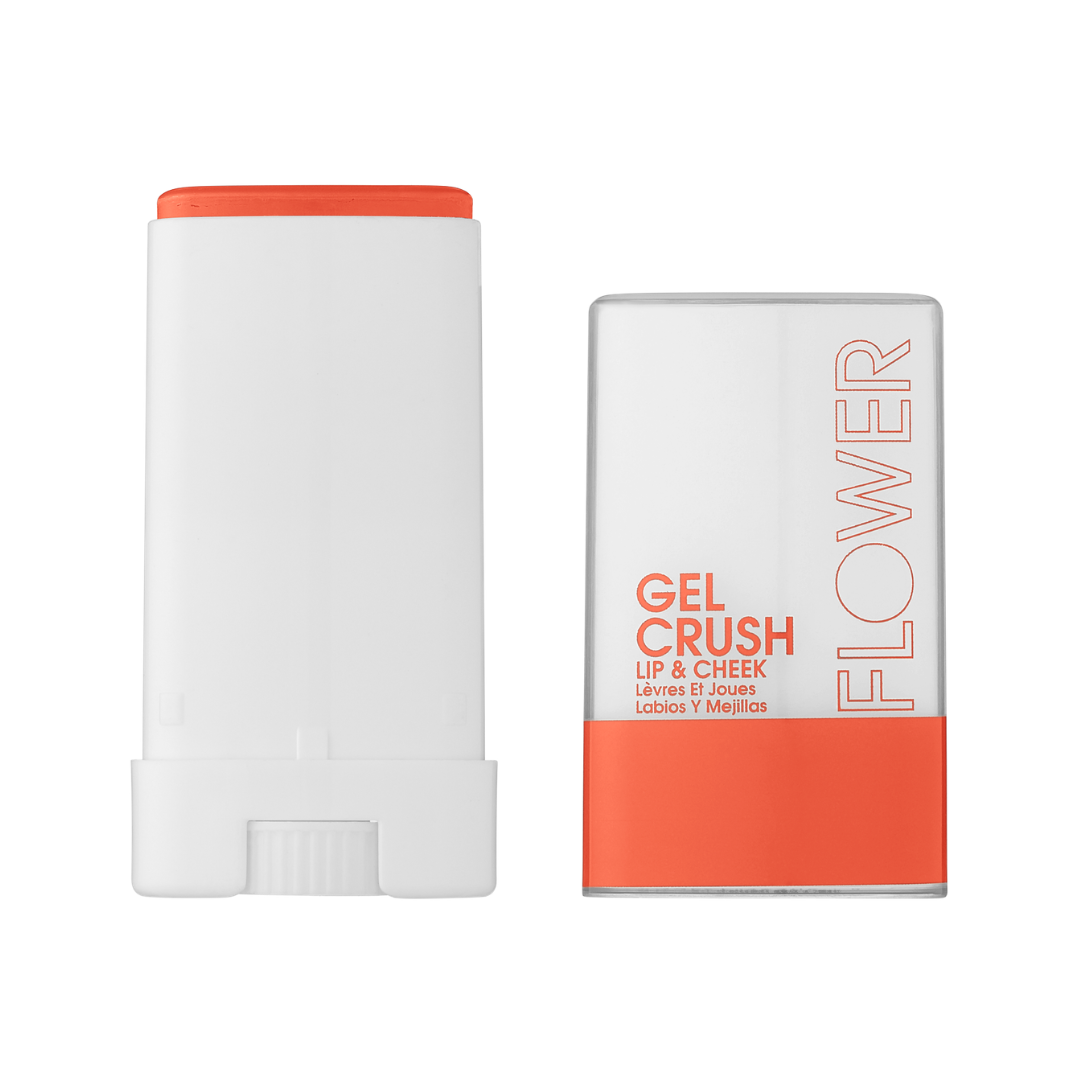
Ask about their color accuracy verification process. How do they ensure your coral lipstick photographs as coral, and doesn’t come off looking orange?
Understand what's included in quoted pricing. Does it cover multiple angles? Detail shots? How many revision rounds?
Making Smart Investment Decisions
Beauty brands should invest in professional photography that matches their market positioning:
Budget beauty brands selling primarily on price might use simplified photography ($50-$75 per product), focusing on accurate representation without premium styling. But even budget brands benefit from proper lighting and color accuracy.
Emerging direct-to-consumer beauty brands with good margins benefit from mid-tier professional photography ($75-$100 per product). This delivers quality that drives conversions without luxury-tier costs.
Established beauty brands competing in prestige markets need premium photography ($100-$150+ per product) that matches what customers see from luxury competitors. Your photography must support your premium positioning.
Luxury beauty brands where packaging and presentation are part of the brand experience should invest in comprehensive photography ($150-$200+ per product) with professional styling, swatch photography, and white-glove service.
The Bottom Line on Beauty Photography Costs
Beauty product photography costs more than many other product categories because the technical demands are real. Beauty packaging often combines materials that require completely different lighting approaches, add in the variety of product types, and each shoot requires a level of precision that approaches the complexity of jewelry photography.
Professional styling, lighting, color management, and retouching all play a role in making beauty products look accurate, polished, and true to the brand. For beauty brands, that investment is not just about creating attractive images. It is about building the visual foundation that supports conversions, reduces hesitation, minimizes returns, and strengthens brand perception.
Ready to discuss professional beauty photography for your cosmetics or skincare line? Let's talk about your specific products, packaging materials, and budget to provide accurate pricing for photography that drives sales and builds trust.