
Flat-Lay vs. On-Model Apparel Photography: Which Does Your Brand Actually Need?
Walk into any conversation about eCommerce fashion photography and you'll inevitably hear the debate: flat-lay or on-model? It's almost tribal—some brands swear by flat-lay's clean, product-focused aesthetic, while others insist on-model is the only way to show how clothing actually looks and fits.
Here's what seven years of shooting apparel photography for brands from Dover Street Market to emerging fashion labels has taught us: the question isn't which one is better—it's when to use each one, and why you probably need both.
Let's break down the real differences, the strategic use cases, and how successful fashion brands leverage both styles to maximize conversions.
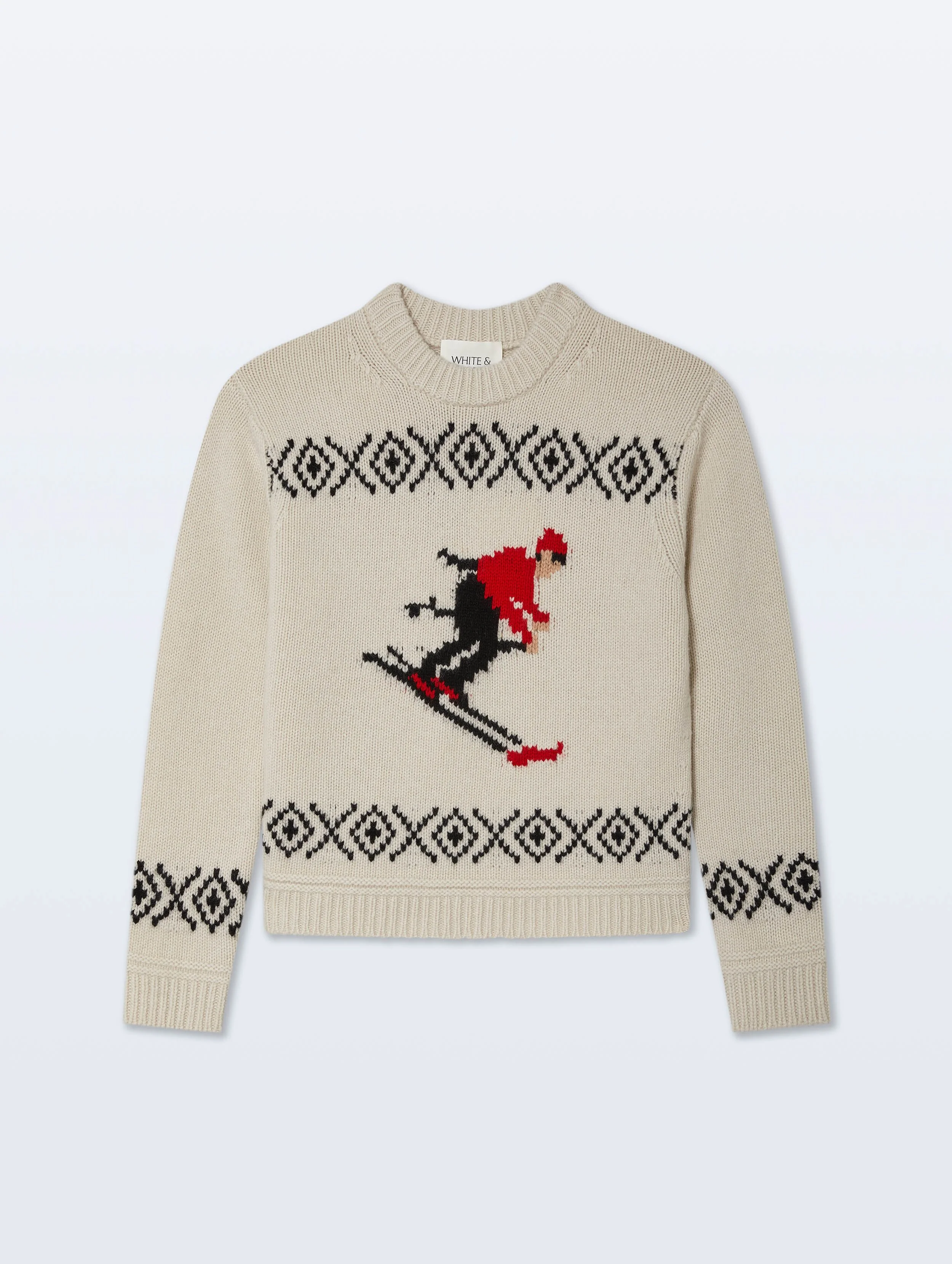
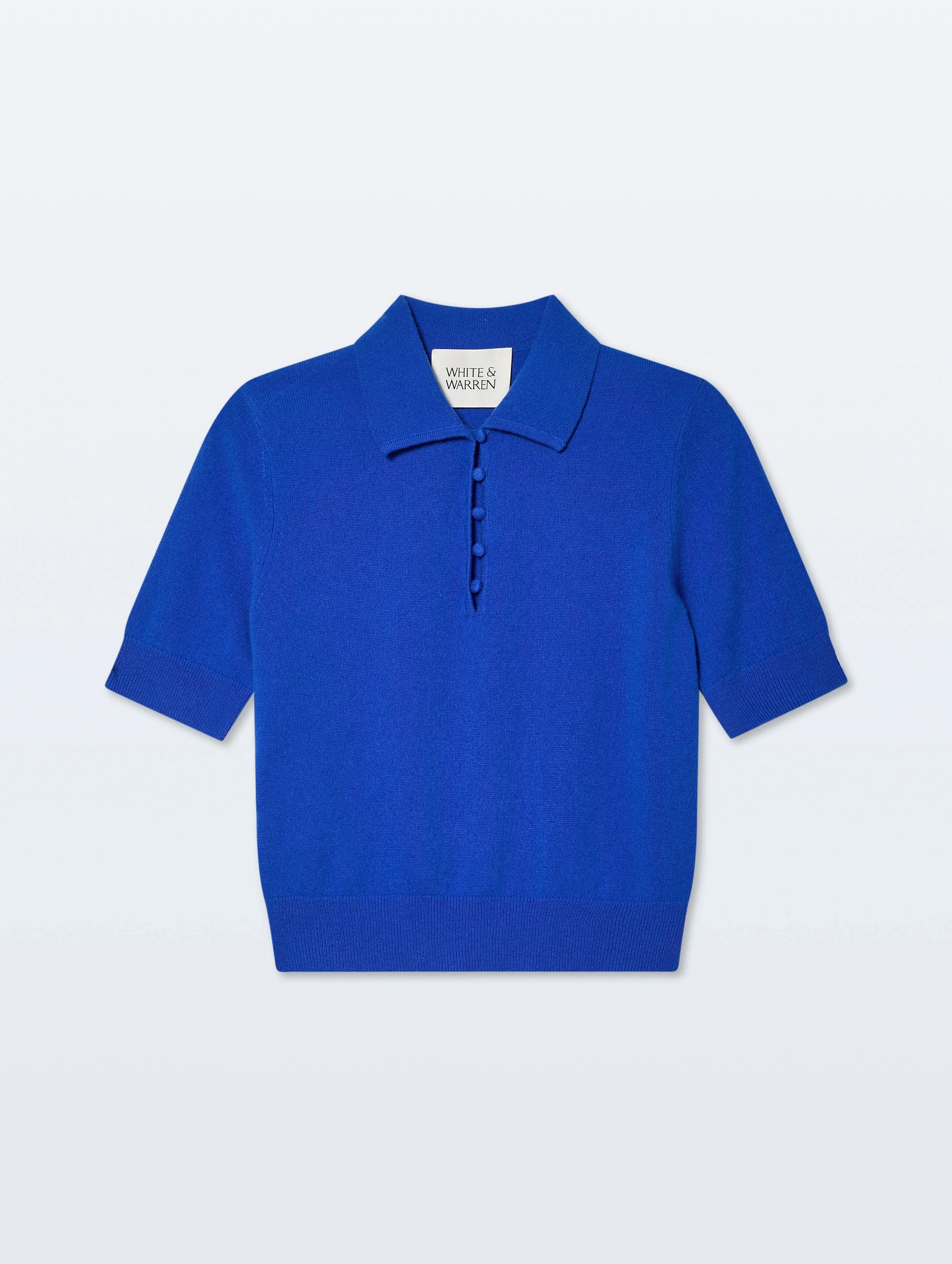
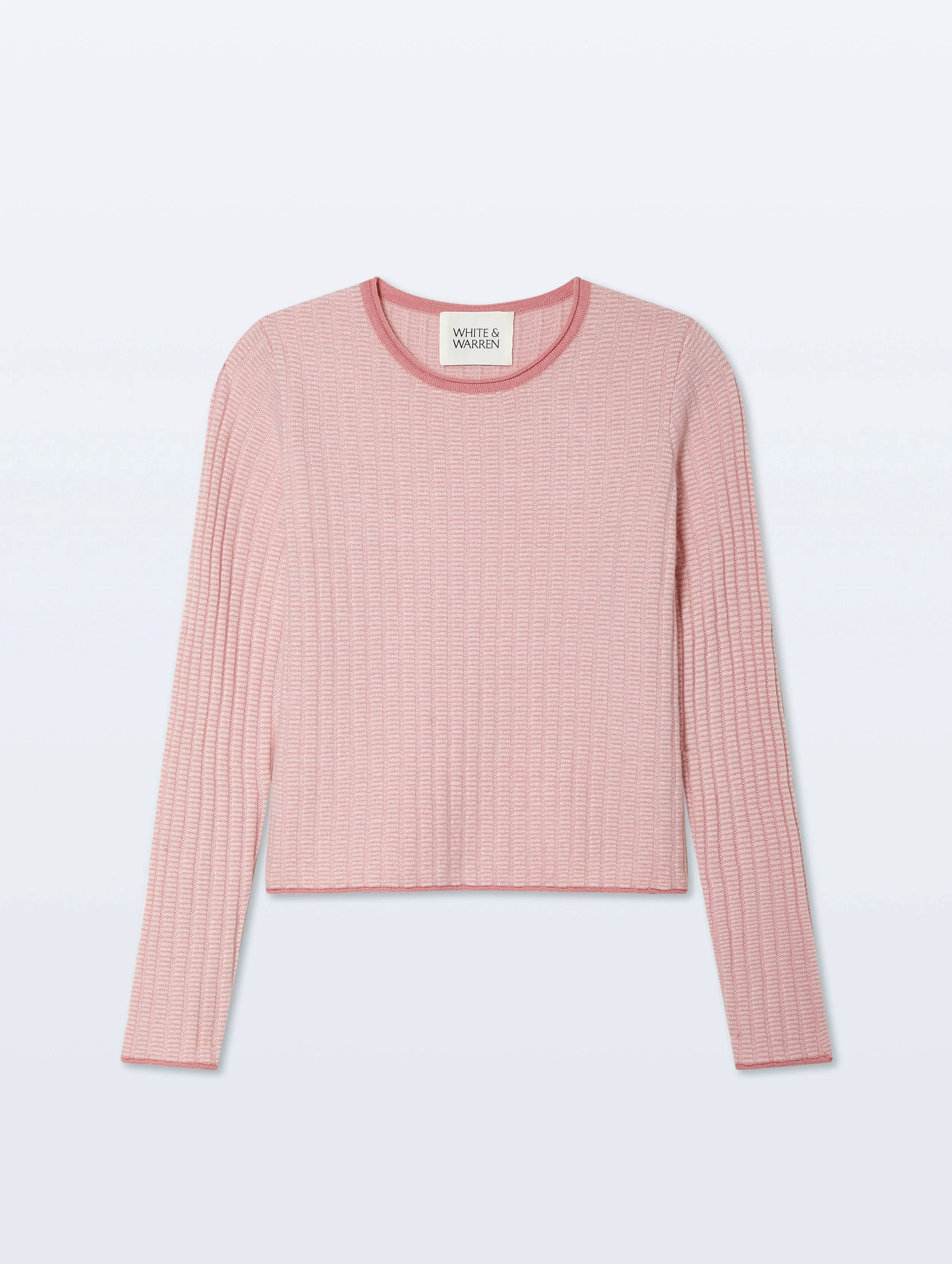
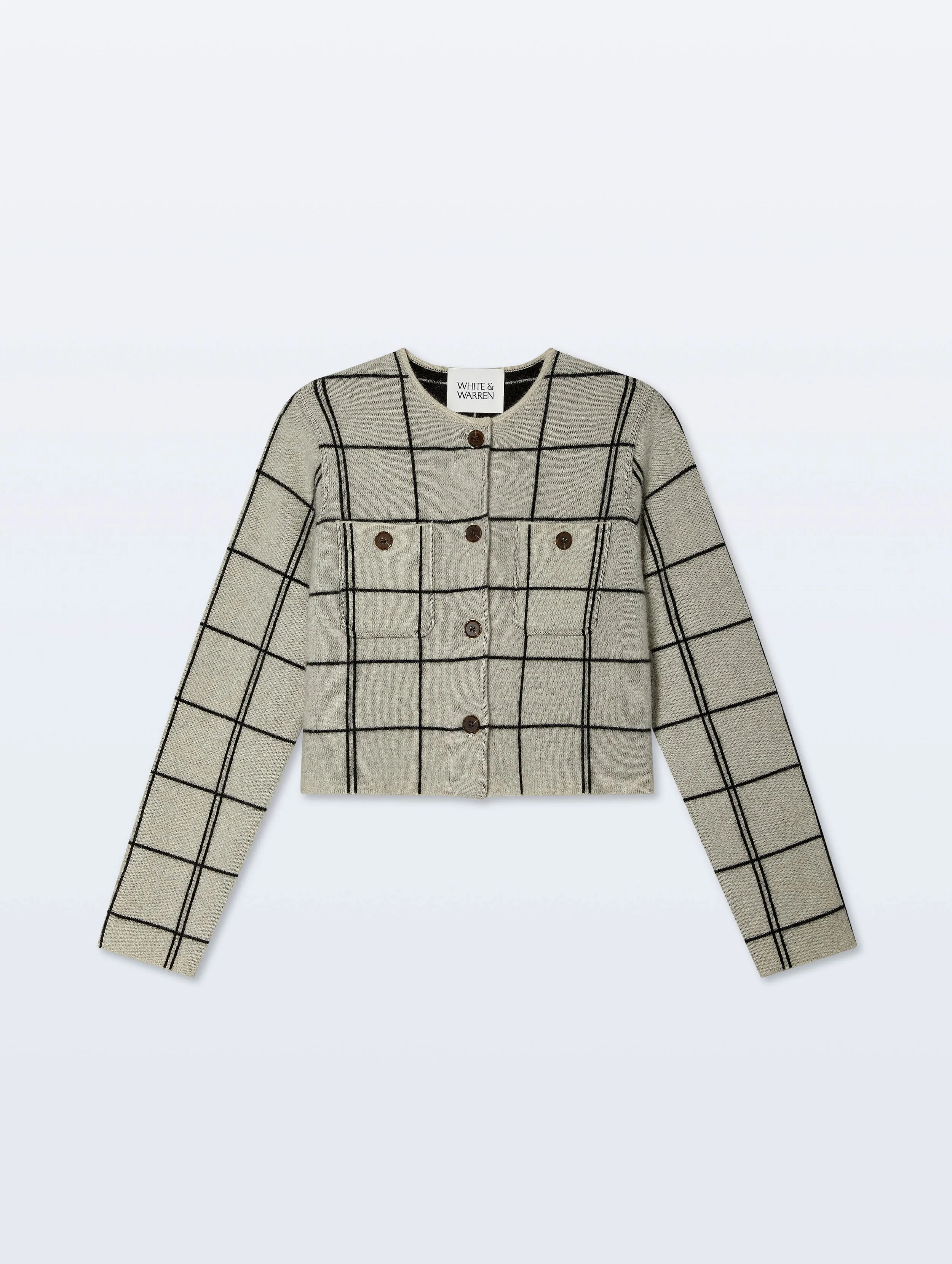
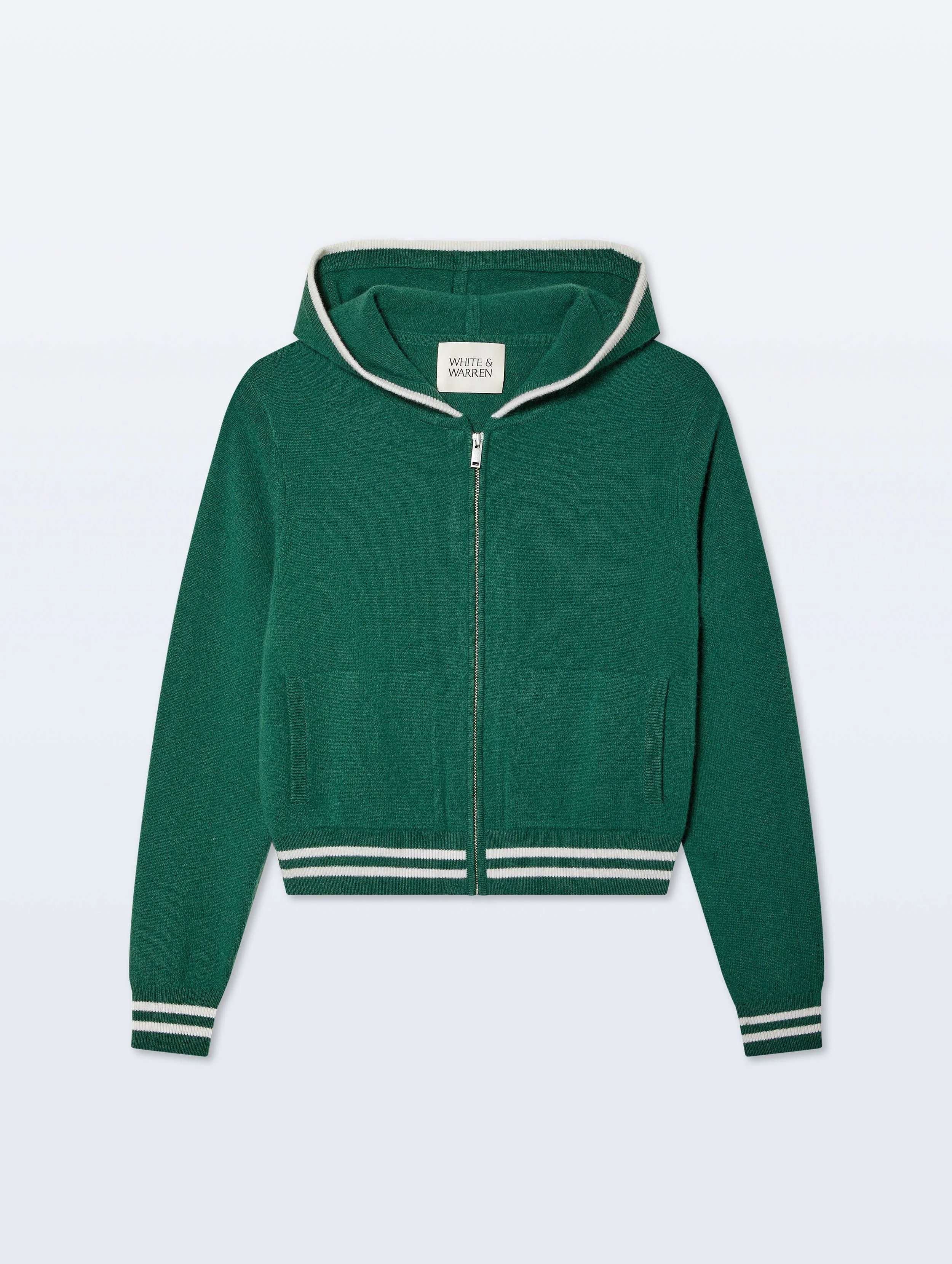
What Is Flat-Lay Apparel Photography? (And Why It Dominates eCommerce)
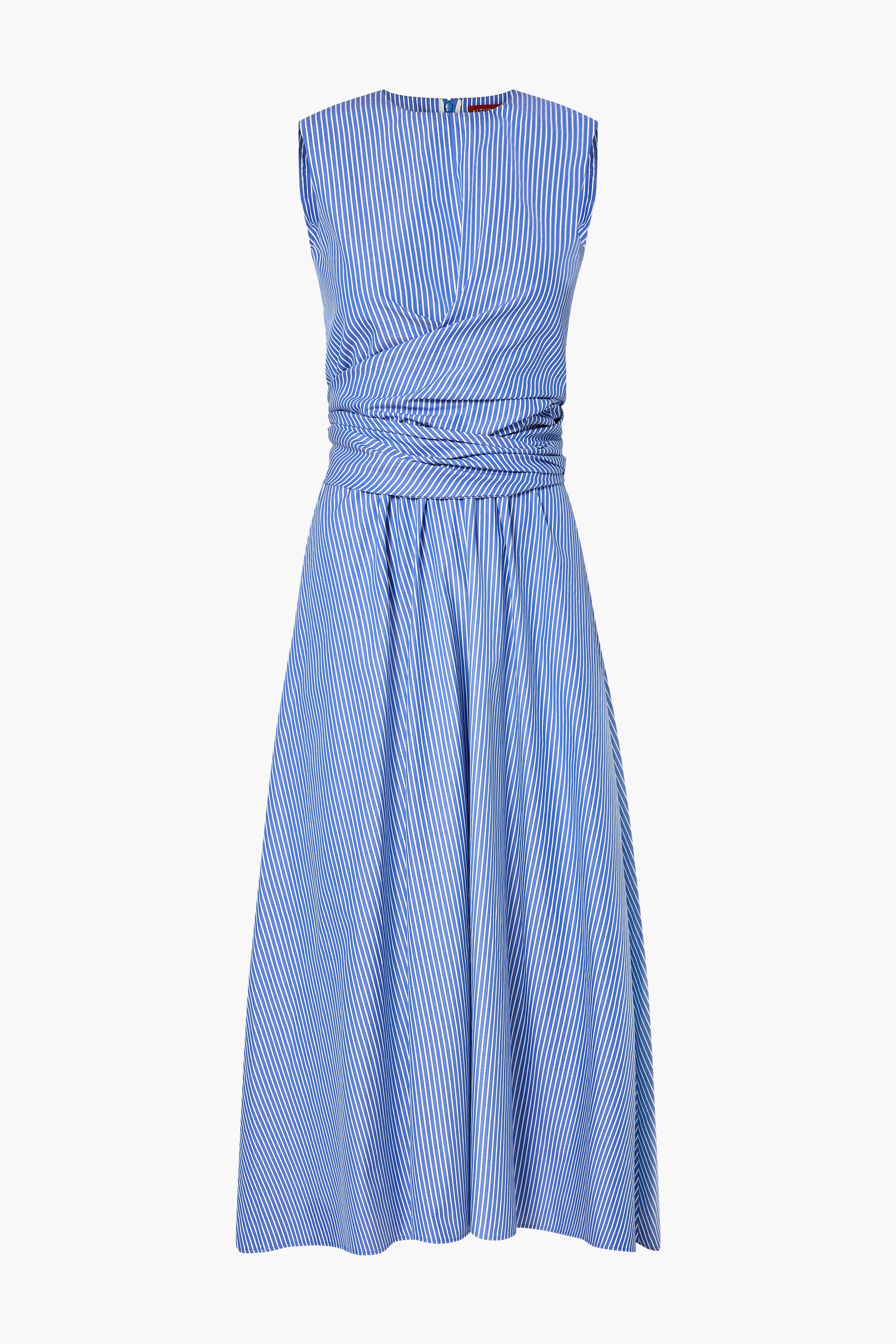
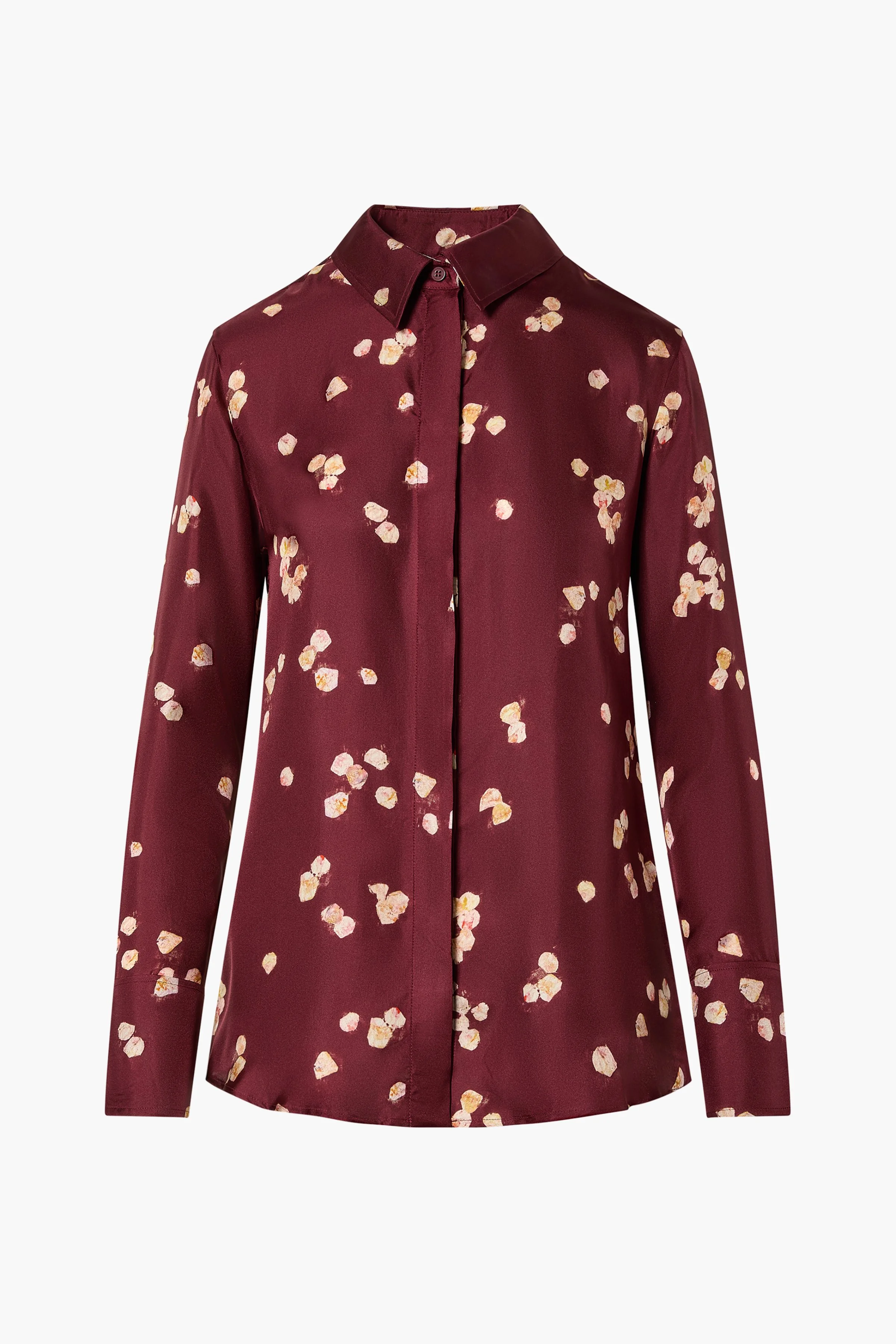
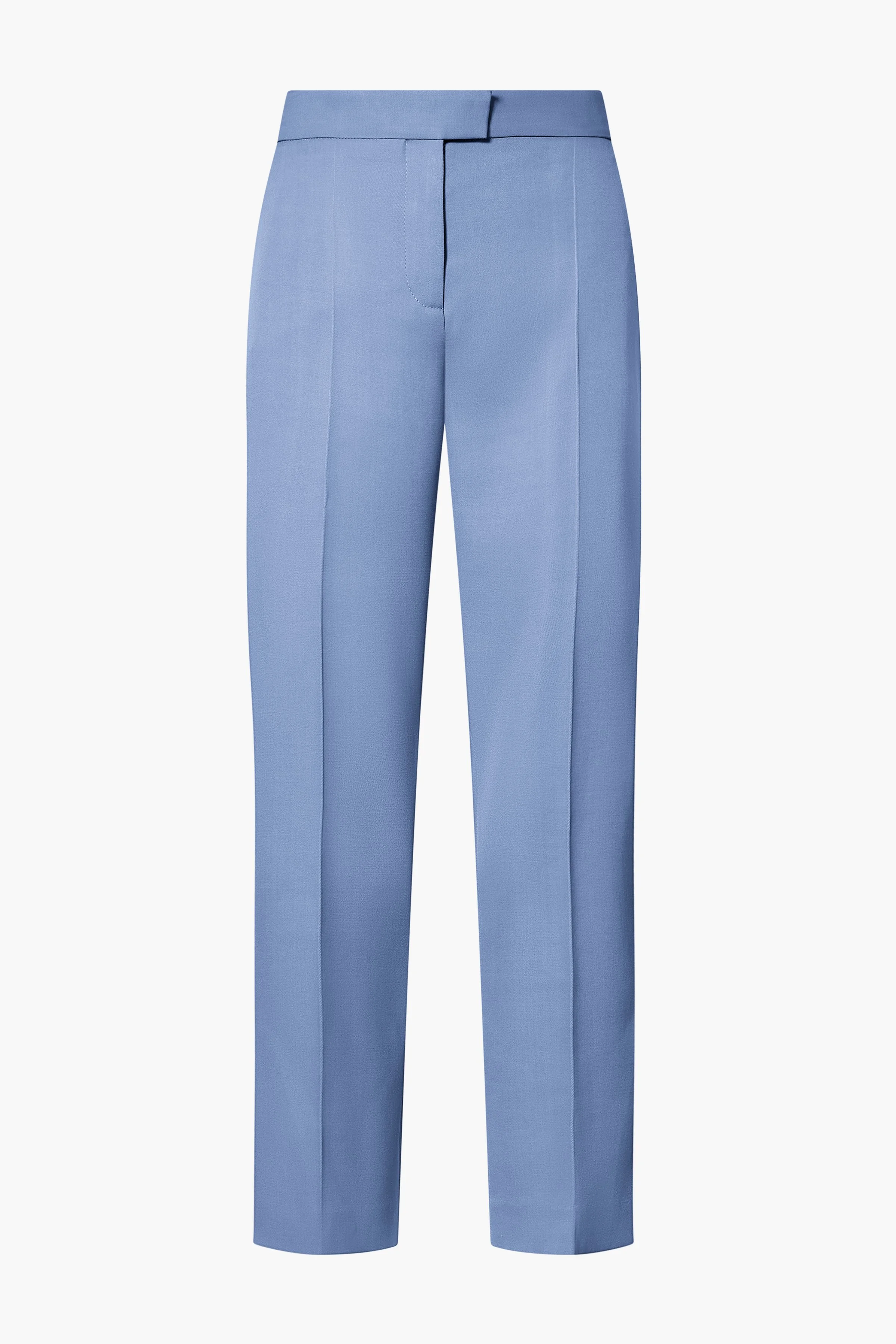
Flat-lay photography is exactly what it sounds like: clothing arranged flat on a surface and photographed from above. Think of scrolling through any major fashion eCommerce site—those crisp, clean product shots where the shirt or dress is perfectly arranged on a white background? That's flat-lay.
Speed and Efficiency:
Flat-lay is fast. A skilled studio can photograph 50-100 pieces in a day because there's no model coordination, outfit changes, or styling between shots. When Dover Street Market needs 300+ pieces photographed for a seasonal drop, flat-lay makes it possible within tight timelines.
Cost-Effectiveness:
No models means no model fees, no hair and makeup, no fitting time. For brands with large catalogs or frequent new arrivals, this cost efficiency adds up dramatically. If you're launching 200 SKUs, paying model rates for all those shots becomes prohibitively expensive.
Product Focus:
Flat-lay puts 100% focus on the clothing itself—the fabric, the color, the details, the construction. Customers can see exactly what they're getting without distraction. This clarity is why flat-lay works so well for eCommerce product pages.
Consistency Across Catalog:
Every piece gets the same clean treatment. Same lighting, same background, same styling approach. This consistency creates a cohesive brand look and makes your site feel professional and trustworthy.
Versatility:
Flat-lay images work everywhere: product pages, collection grids, email campaigns, social media, print catalogs. They're the Swiss Army knife of fashion photography.
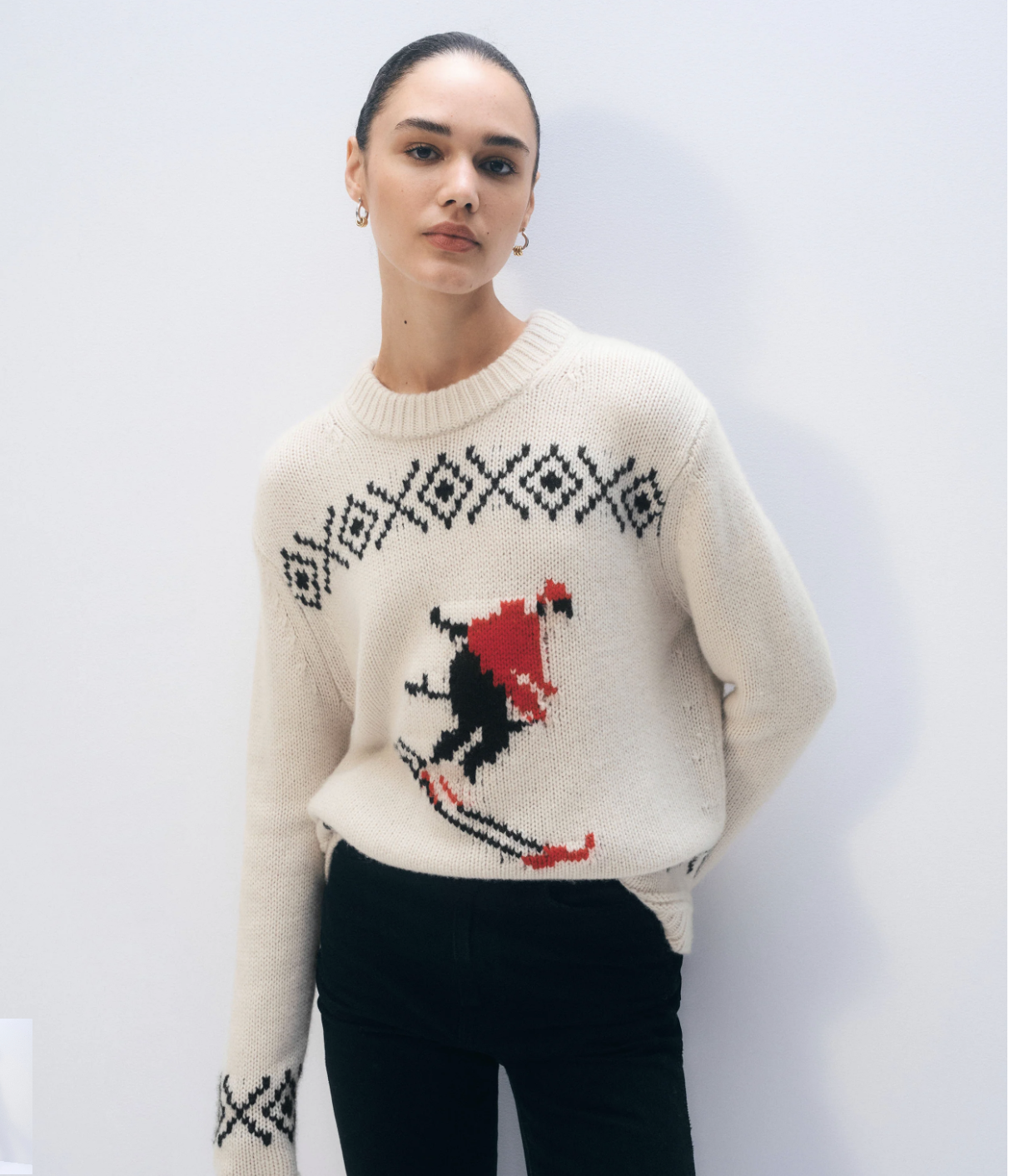
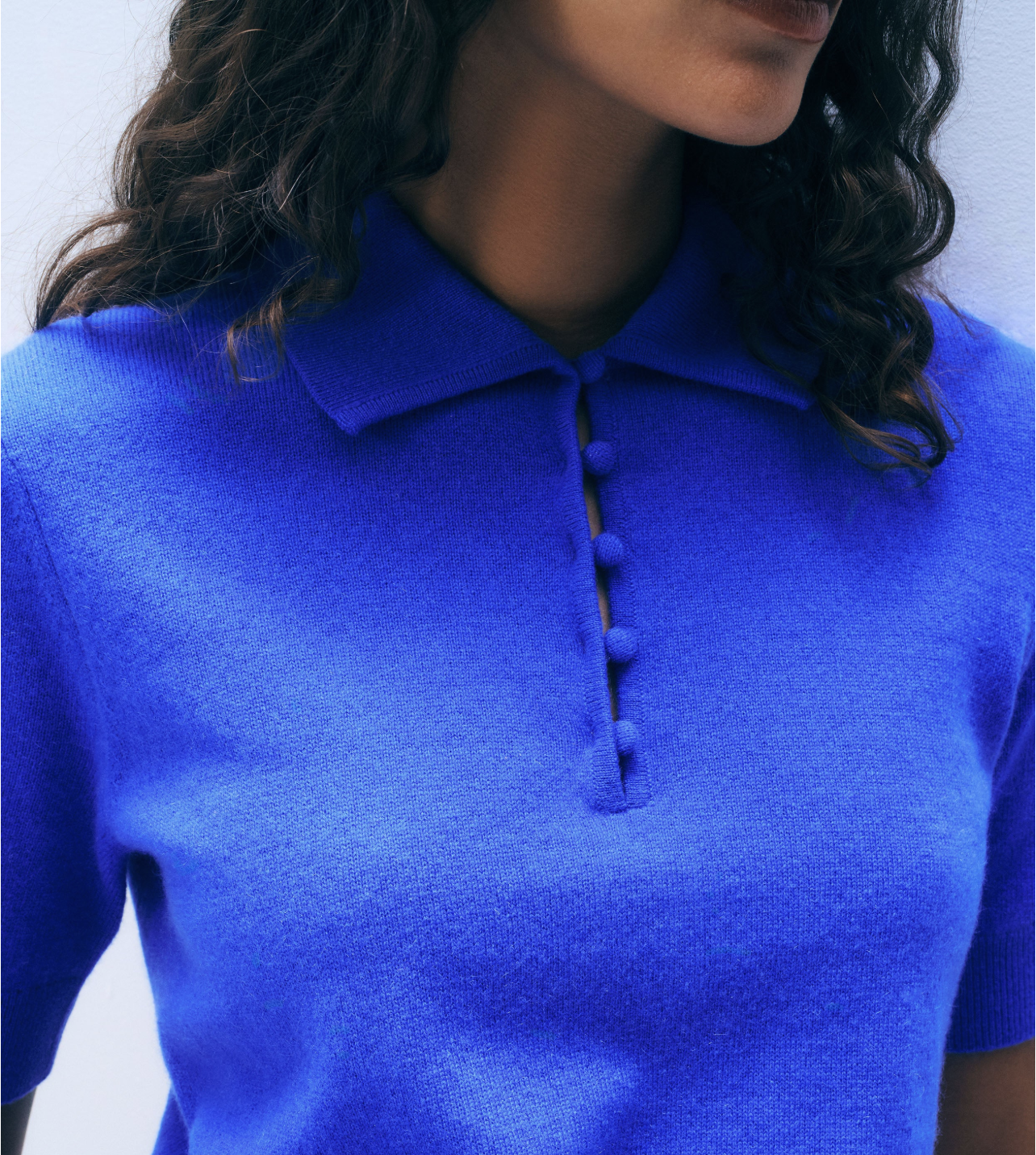
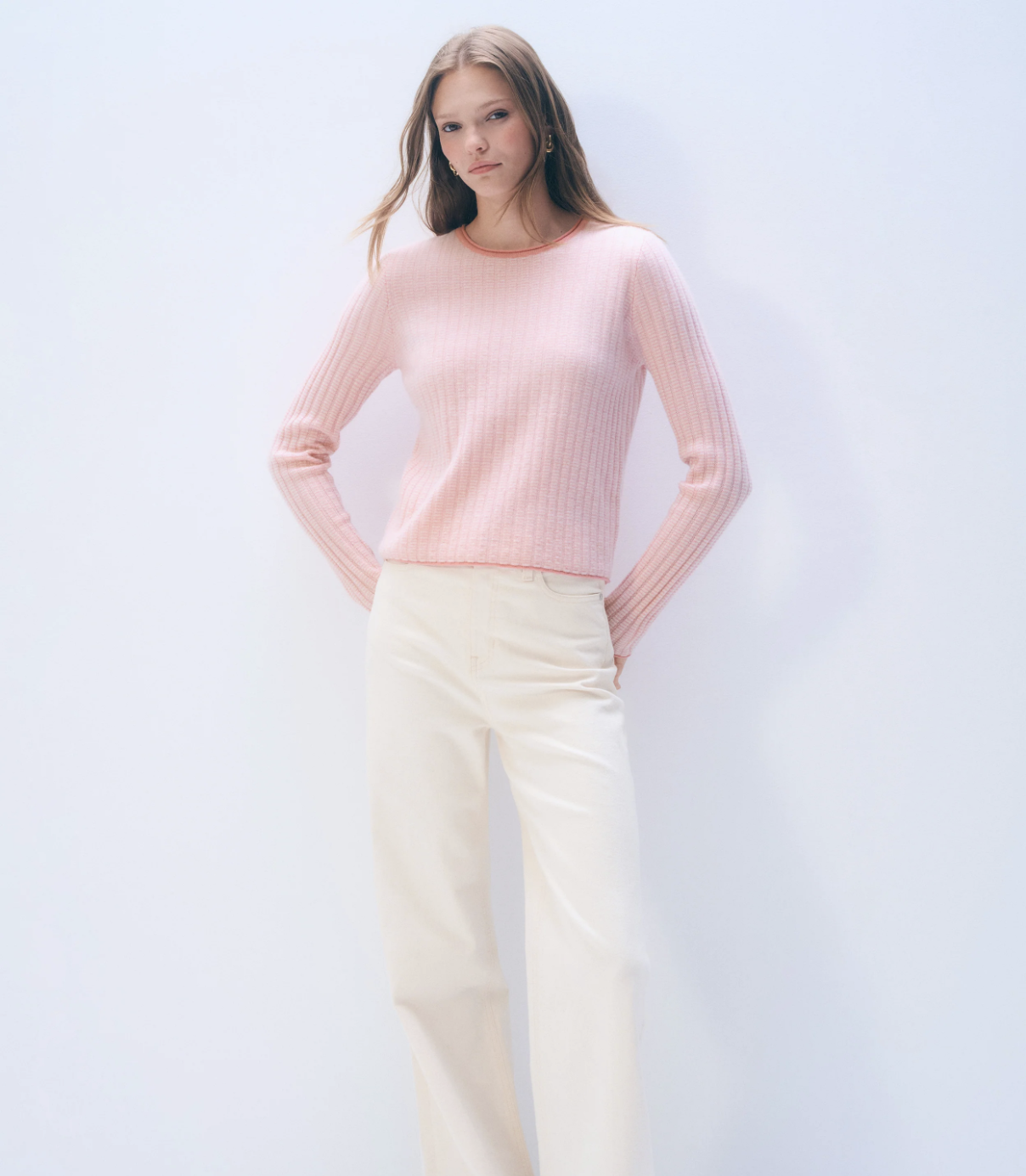
What Is On-Model Apparel Photography? (And Why Brands Love It)
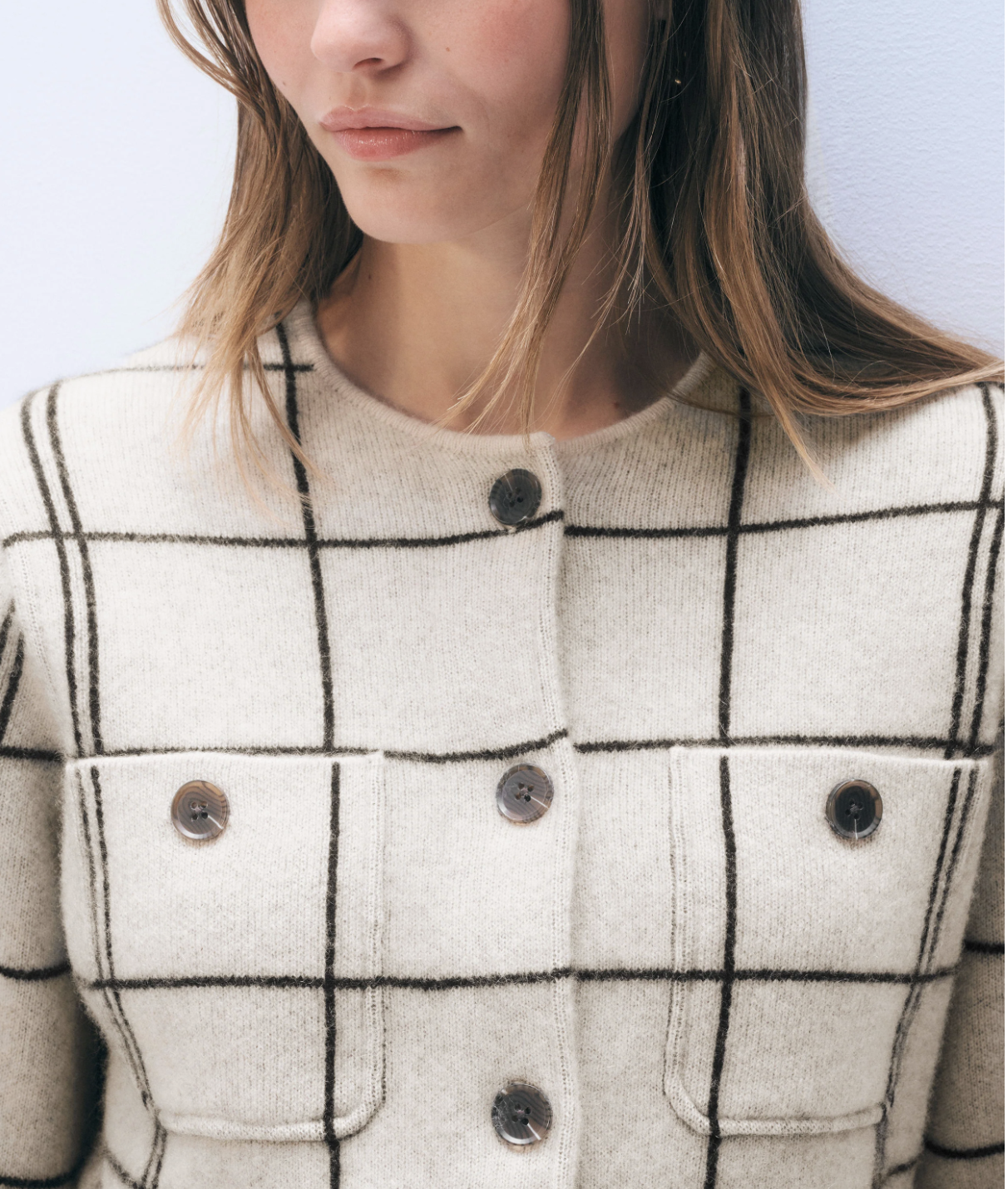
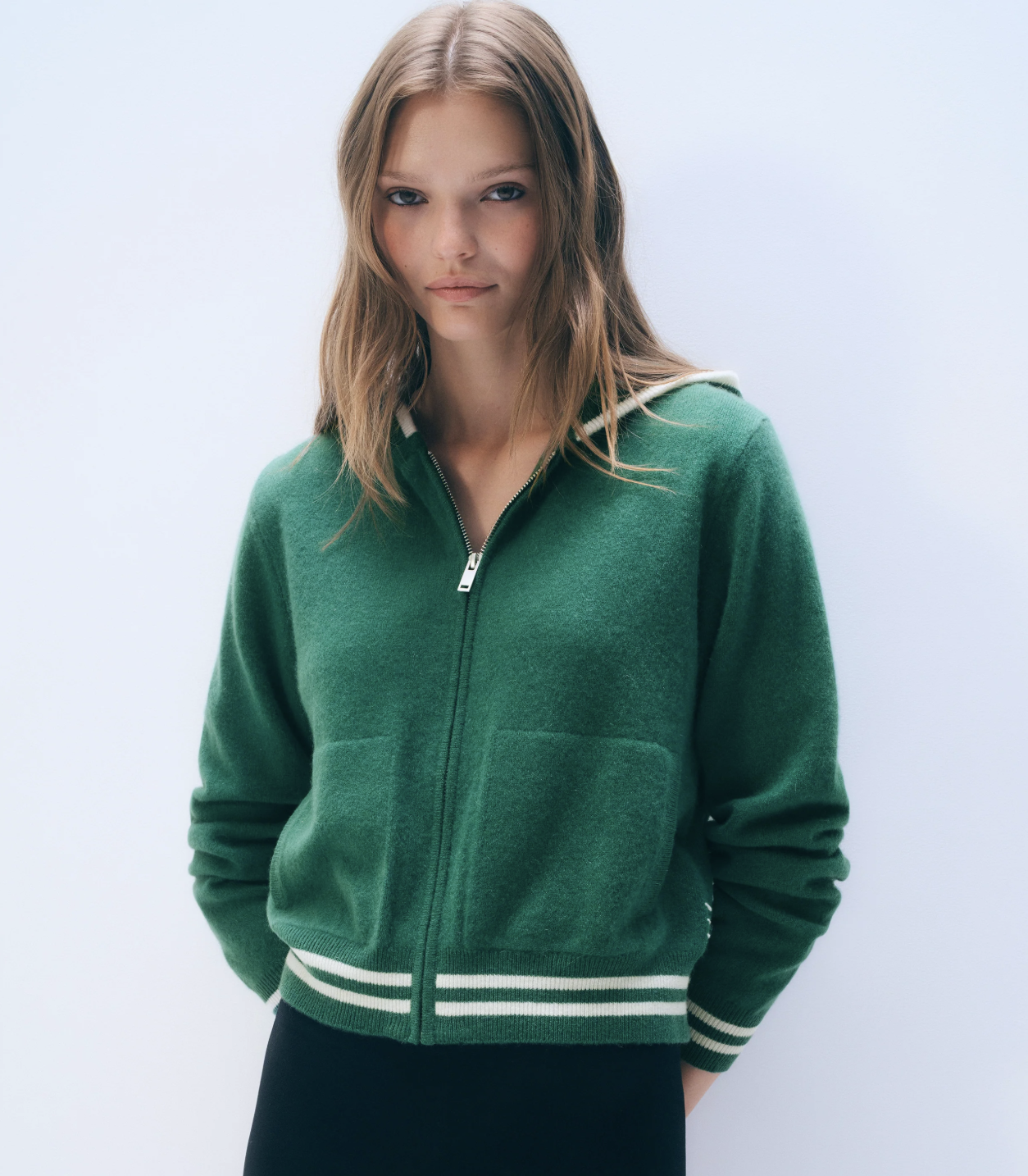
On-model photography shows clothing worn by a real person (or a mannequin styled to look human). You see the fit, drape, proportion, and how the piece actually looks when worn.
Aspiration and Emotion:
People don't just buy clothing—they buy how they'll look and feel wearing it. On-model shots tap into aspiration. When customers see themselves in that model, they're more likely to click "add to cart."
Fit and Proportion Clarity:
How does that dress hit the knee? How does that jacket sit on the shoulders? Is that shirt cropped or full-length? On-model photography answers these questions instantly. Less guesswork = fewer returns.
Lifestyle and Context:
On-model shots can show clothing in real-world contexts—walking through a city, sitting at a cafe, whatever fits your brand narrative. This storytelling element builds emotional connection.
Brand Identity Expression:
Your choice of models, styling, locations, and mood communicates your brand personality. On-model gives you creative canvas that flat-lay doesn't.
Social Media Performance:
Instagram, TikTok, Pinterest—these platforms favor human-centered content. On-model shots typically get better engagement than pure product shots.
The Real Question: What Are You Optimizing For?
Both styles work. The strategic question is: What's your goal for these specific images?
Optimize for Conversions (Product Pages)?
Flat-lay often wins. Industry data shows clean, product-focused images on product pages typically outperform lifestyle shots for final purchase decisions. When customers are ready to buy, they want clarity.
Optimize for Brand Building (Homepage, Social Media)?
On-model excels here. People connect with people. Your homepage hero image, Instagram feed, and brand campaigns benefit from human presence.
Optimize for Cost Efficiency (Large Catalogs)?
Flat-lay by a mile. If you're shooting hundreds of pieces seasonally, flat-lay makes it financially feasible.
Optimize for Reducing Returns (Fit Questions)?
On-model helps. Seeing how clothing fits on a body reduces "it didn't fit like I expected" returns. Include measurements and size details too.
Optimize for Versatility (Multiple Uses)?
Flat-lay. These images work everywhere with no context issues.
When Flat-Lay Is Your Best Choice
You Have a Large Catalog:
Shooting 100+ pieces per season? Flat-lay is the only financially reasonable approach. On-model becomes prohibitively expensive and slow at scale.
Your Products Are Detail-Focused:
If your competitive advantage is fabric quality, construction details, or intricate design elements, flat-lay lets you showcase these clearly. We can capture texture, stitching, pattern details, and hardware in ways that on-model shots can't match.
You Launch New Products Frequently:
Fast-fashion or frequent new arrivals brands need photography that keeps up. Flat-lay allows rapid turnaround. We can receive your samples, shoot, and deliver finished images in one week—try doing that with model shoots.
Your Brand Aesthetic Is Minimal:
If your brand leans minimal, modern, or product-focused (think Everlane, COS, Uniqlo aesthetic), flat-lay aligns perfectly with that clean visual language.
You're Budget-Conscious:
Not every brand has the budget for model shoots. Flat-lay delivers professional results at a fraction of the cost while still driving conversions.
When On-Model Is Worth The Investment
Fit Is Critical:
Certain categories absolutely need on-model shots: dresses, pants, tailored blazers, outerwear. Customers need to see how they drape and fit. Fashion brands launching these categories should budget for on-model.
You're Building a Lifestyle Brand:
If your brand sells a lifestyle, not just products, on-model photography tells that story. Outdoor apparel brands showing people hiking. Athleisure showing people at yoga. Luxury fashion showing aspiration. The model becomes part of the brand narrative.
Your Target Customer Values Style Inspiration:
Some markets want to see styling ideas and outfit inspiration. If your Instagram comments are full of "how would you style this?" questions, on-model content provides answers.
You're Launching a New Brand:
First impressions matter. When you're establishing brand identity, on-model photography sets the tone and creates emotional connection faster than product shots alone.
You Have Small, Curated Collections:
If you drop 10-15 pieces seasonally (not hundreds), you can afford to shoot each piece on-model. The investment makes sense at that scale.
The Winning Strategy: Use Both (Strategically)
Here's what successful fashion brands actually do—they use both styles strategically, not one or the other.
Primary Image (Image #1): Flat-Lay
Clean, clear product shot on white background. This is your collection grid thumbnail and your "what exactly am I buying" clarity shot.
Secondary Images (Images #2-4): Multiple Flat-Lay Angles
Back view, detail shots, folded view. Answer product questions customers have.
Supporting Image (Image #5-6): On-Model
Show it worn. One or two shots of the piece on a model so customers can see fit and proportion.
Detail Images (Image #7-8): Flat-Lay Close-Ups
Fabric texture, button details, stitching quality, any unique elements.
This combination gives customers everything they need: clarity (flat-lay) plus context (on-model).
Hybrid Approaches: Ghost Mannequin & Pin-Up
There's a middle ground worth mentioning.
Ghost Mannequin Photography:
Clothing photographed on an invisible mannequin (removed in post-production) so garments show 3D shape and fit without a visible model. Popular for button-up shirts, structured jackets, dresses.
Pros: Shows shape and fit like on-model, but consistent like flat-lay. No model fees.
Cons: Less personality than on-model. Some setup and editing time.
Pin-Up Photography:
Hanging clothing photographed against a background. Shows drape and length without a model.
Pros: Fast like flat-lay. Shows how clothing hangs naturally.
Cons: Limited to certain garments. Doesn't show fit.
We offer all these styles because different products need different approaches. A silk dress might need ghost mannequin. A structured jacket benefits from flat-lay. A leather coat needs on-model.
The Cost Reality: Planning Your Budget
Let's talk real numbers so you can plan.
Flat-Lay Photography (Professional Studio):
- Cost: $50 per image, typically
- What's included: Product prep (steaming, arranging), professional photography, retouching, delivery
- Timeline: 50-100 pieces can be shot in 1-2 days
- Delivers: 2-4 angles per piece typically
On-Model Photography (Professional Studio):
- Cost: $150-300+ per look (outfit)
- Additional costs: Model fees ($700-2,000/day), hair & makeup ($500-1000/day), styling, location fees
- Timeline: 10-15 looks per day typically
- Delivers: 3-6 images per look usually
The Strategic Mix:
A 50-piece collection might budget:
- Flat-lay for all 50 pieces: $2,500 (50 × $50)
- On-model for 10 key pieces: $2,500 (10 looks × $250)
- Total: $4,000 for comprehensive photography coverage
This mixed approach captures flat-lay's efficiency while adding on-model's emotional impact where it matters most.
The Bottom Line: Stop Choosing Between Them
The flat-lay versus on-model debate is a false choice. Successful fashion brands use both, strategically, based on the specific goal for each image.
Flat-lay dominates when you need:
- Cost efficiency
- Speed and scale
- Product clarity
- Consistent catalog aesthetic
- Versatile images that work everywhere
On-model wins when you need:
- Fit and proportion clarity
- Emotional connection and aspiration
- Brand storytelling
- Social media engagement
- Lifestyle context
But the magic happens when you combine both. Lead with flat-lay for efficiency and clarity, add on-model shots for fit and aspiration. Give customers the complete picture—literally.
At Razor Creative Labs, we specialize in flat-lay apparel photography because that's what most eCommerce fashion brands need at scale. But we also offer on-model, ghost mannequin, and pin-up photography because sometimes your products need that human touch.
Ready to discuss what mix works for your brand? Let's talk strategy. Because after seven years and tens of thousands of fashion pieces photographed, we know what works—and what's a waste of money.