
How to Photograph 200+ Clothing Items Per Season Without Sacrificing Quality
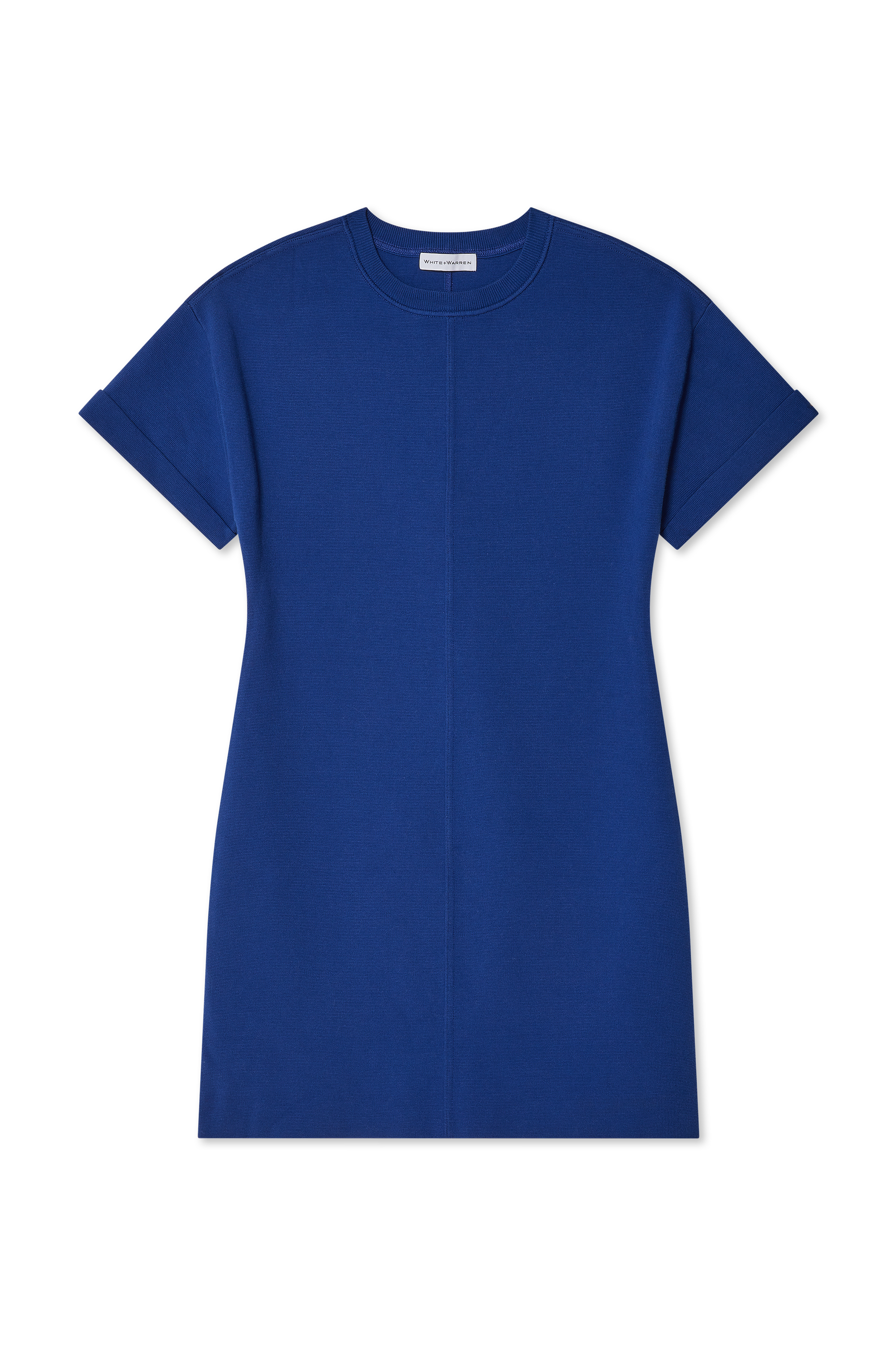
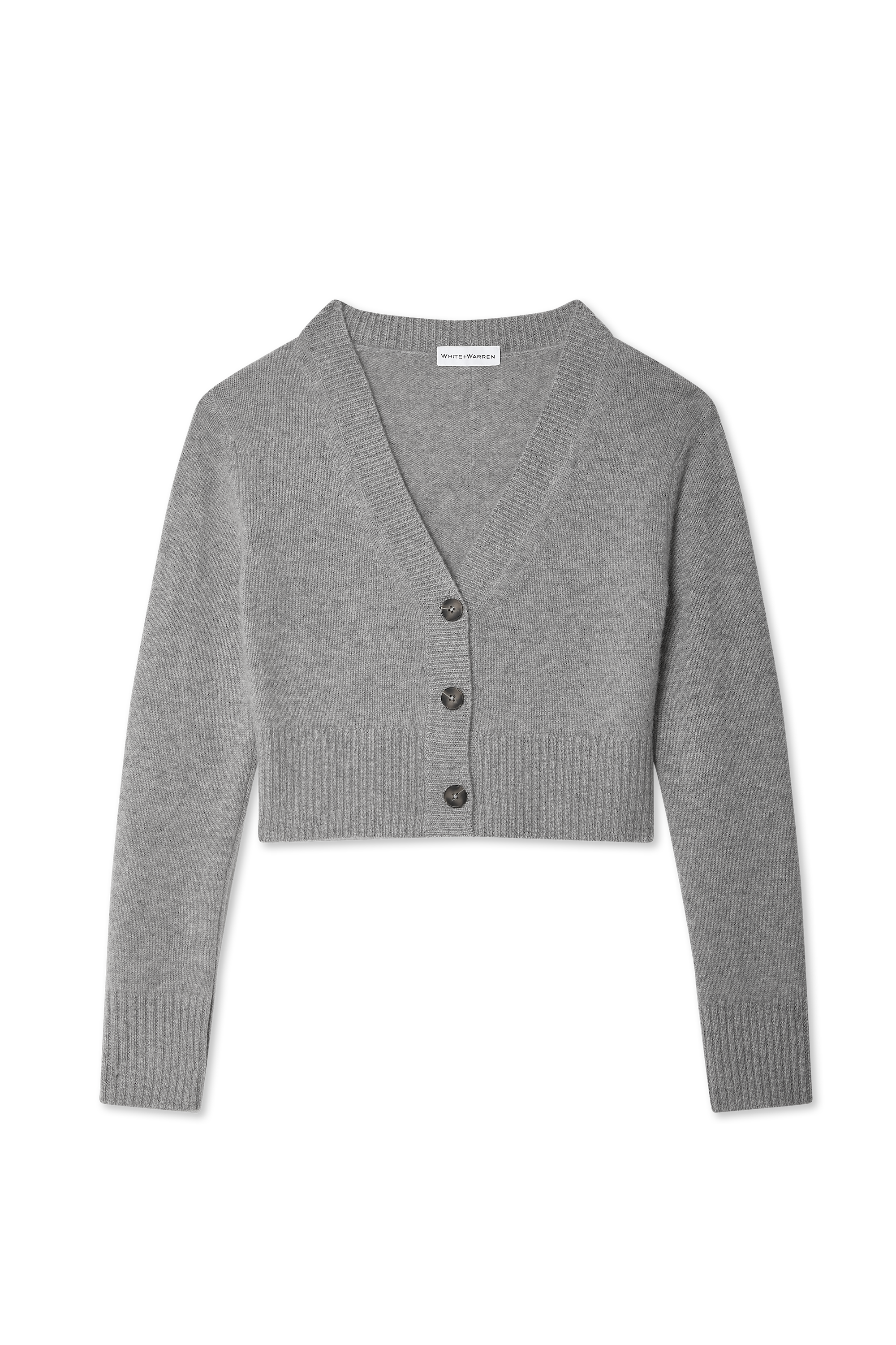
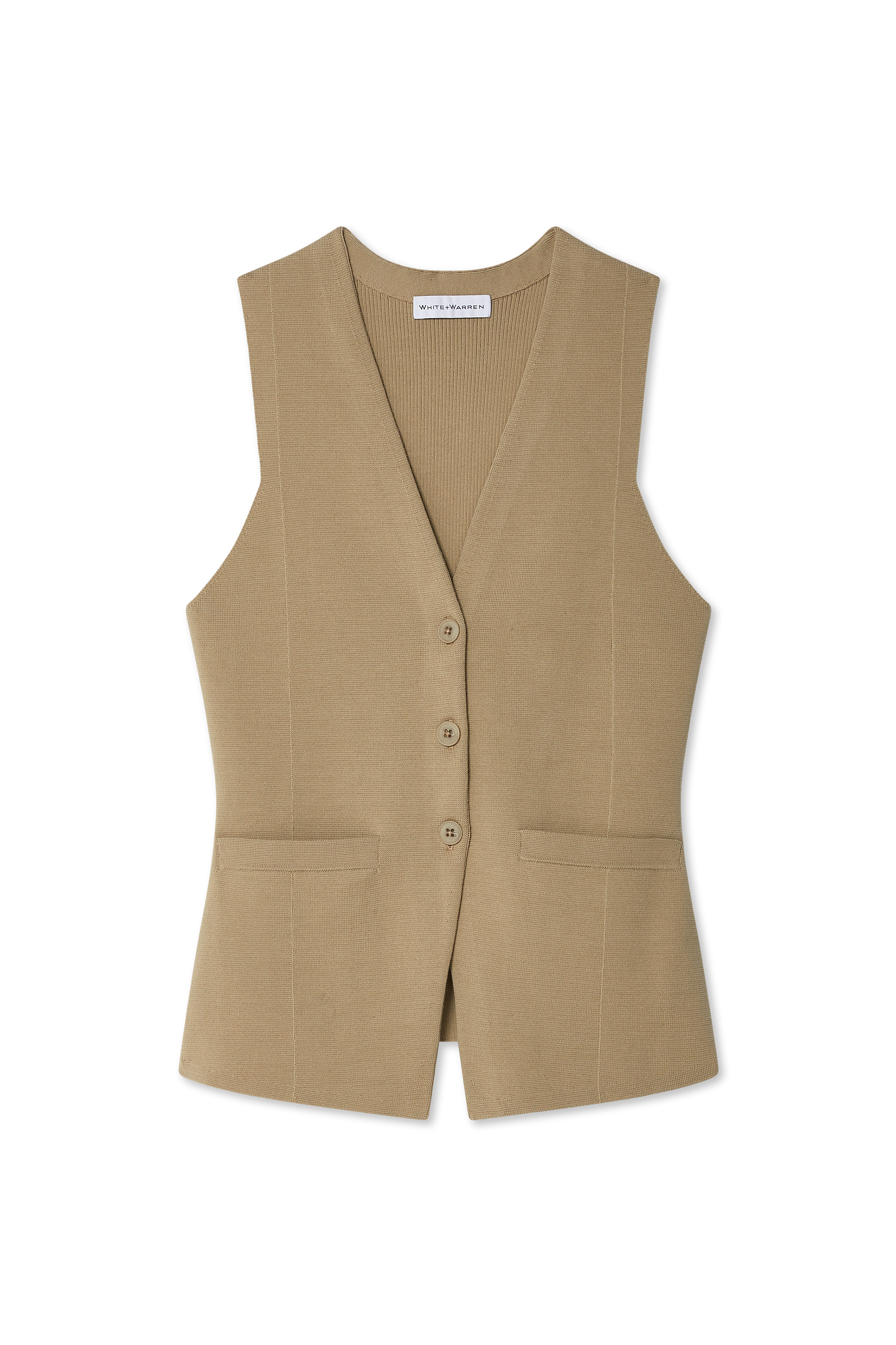
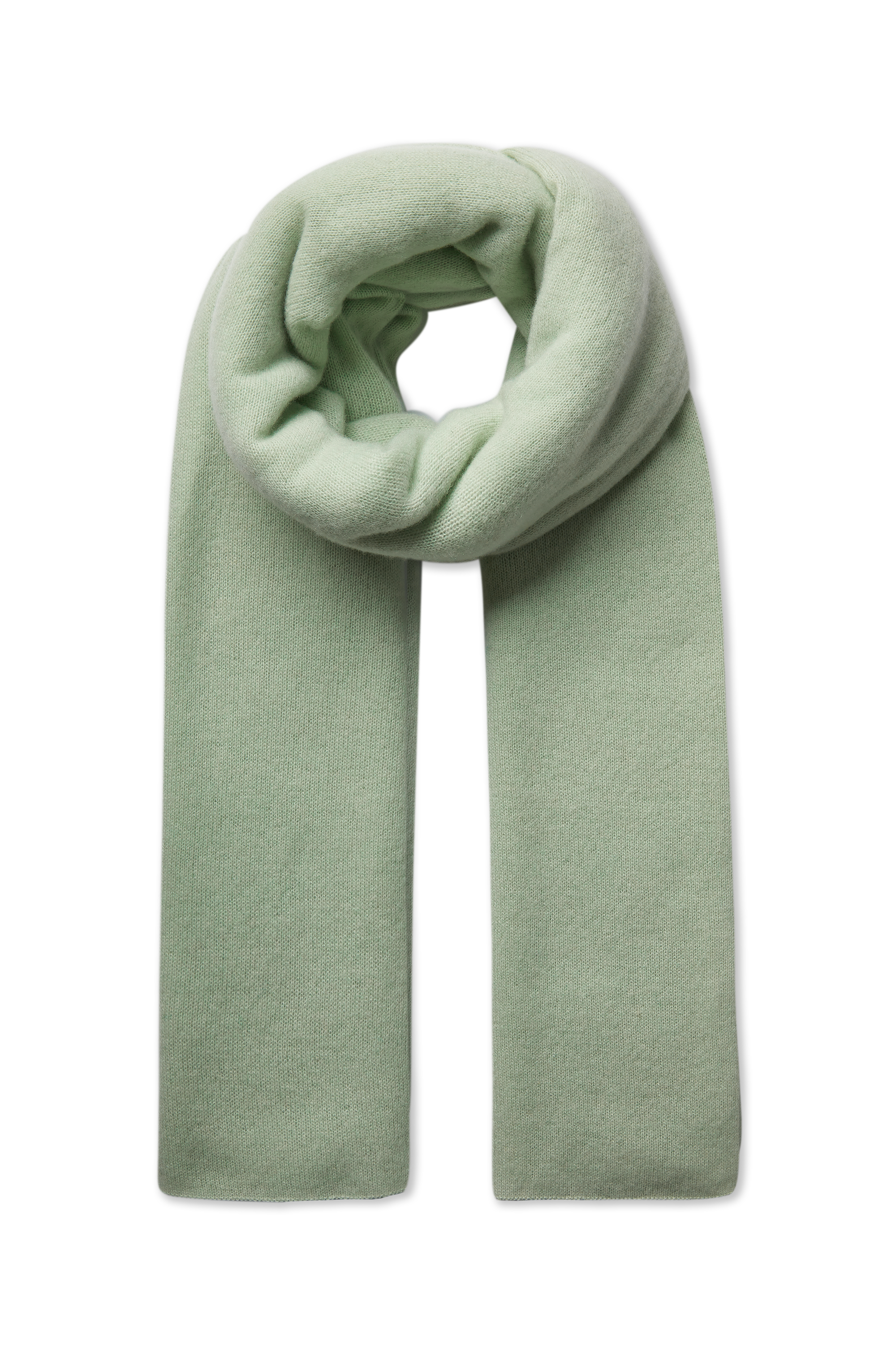
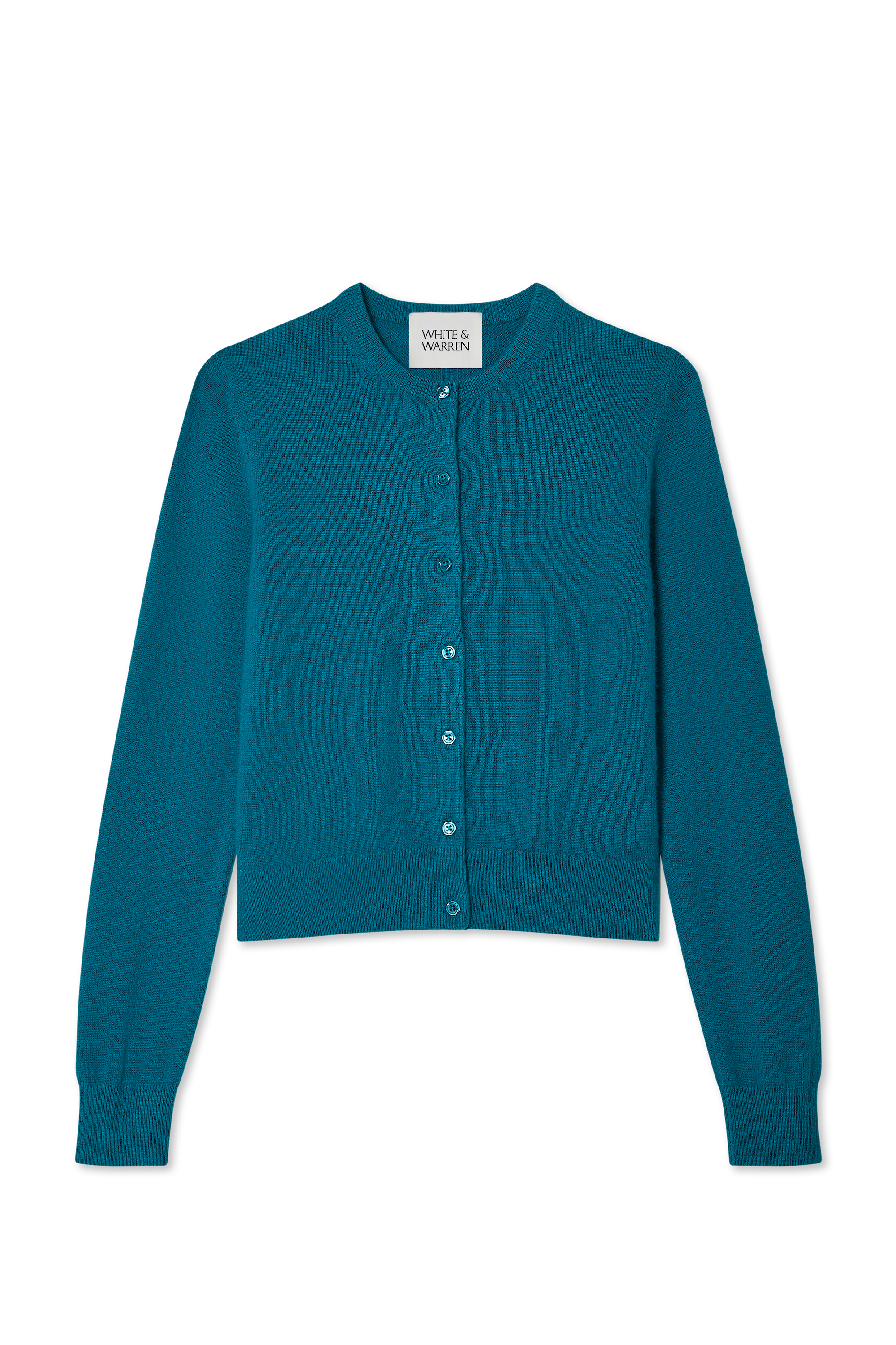
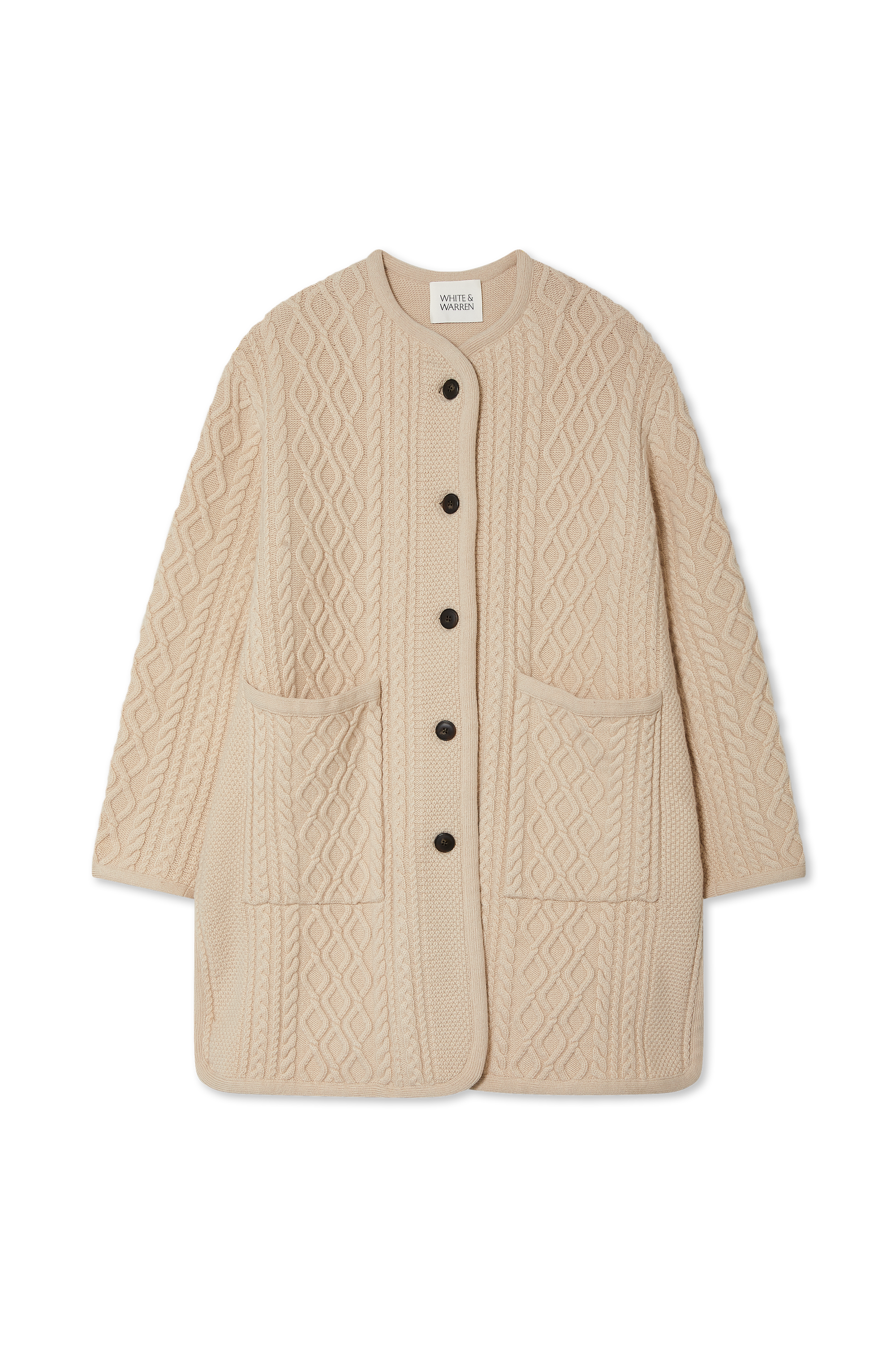
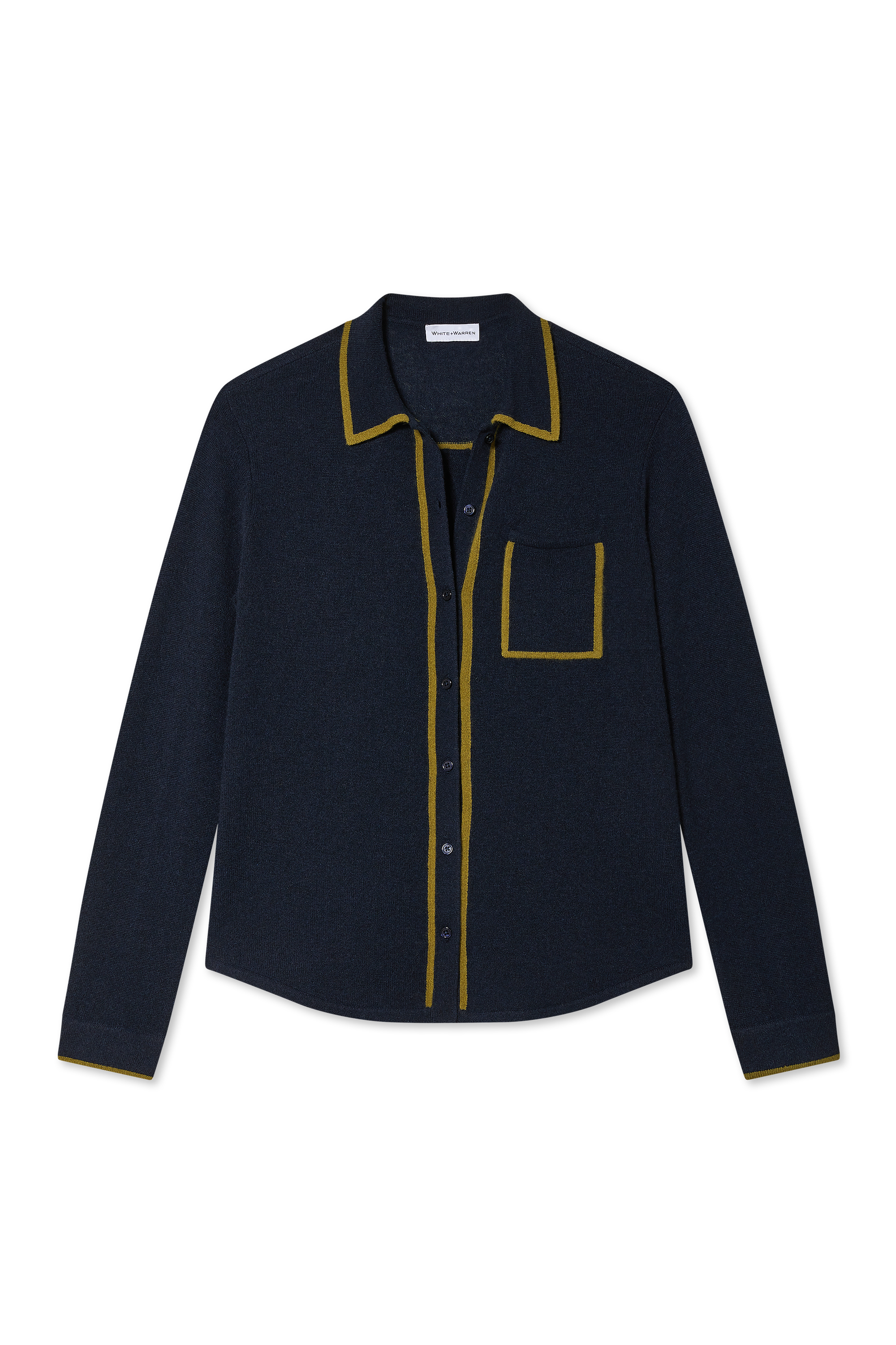
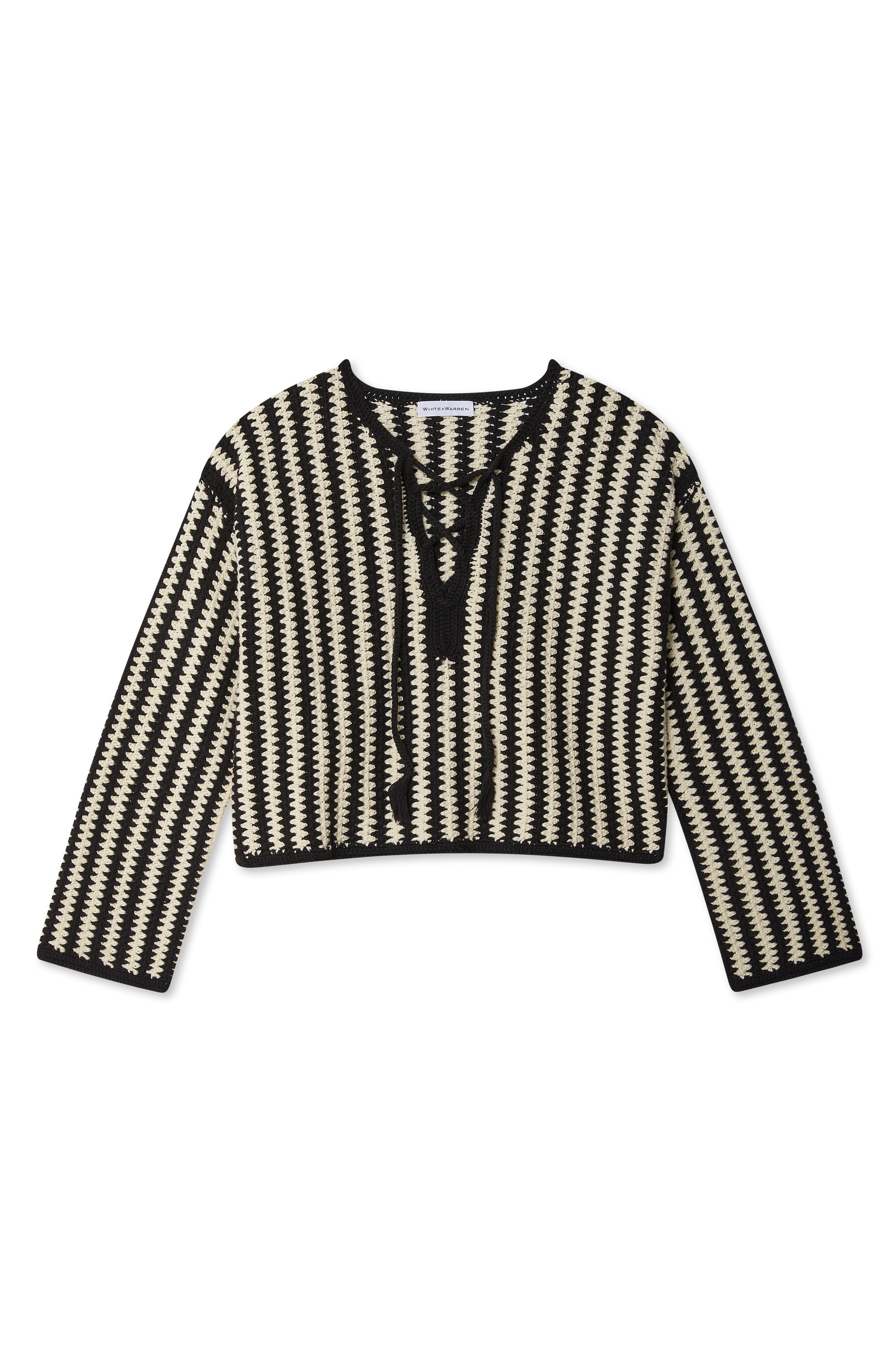
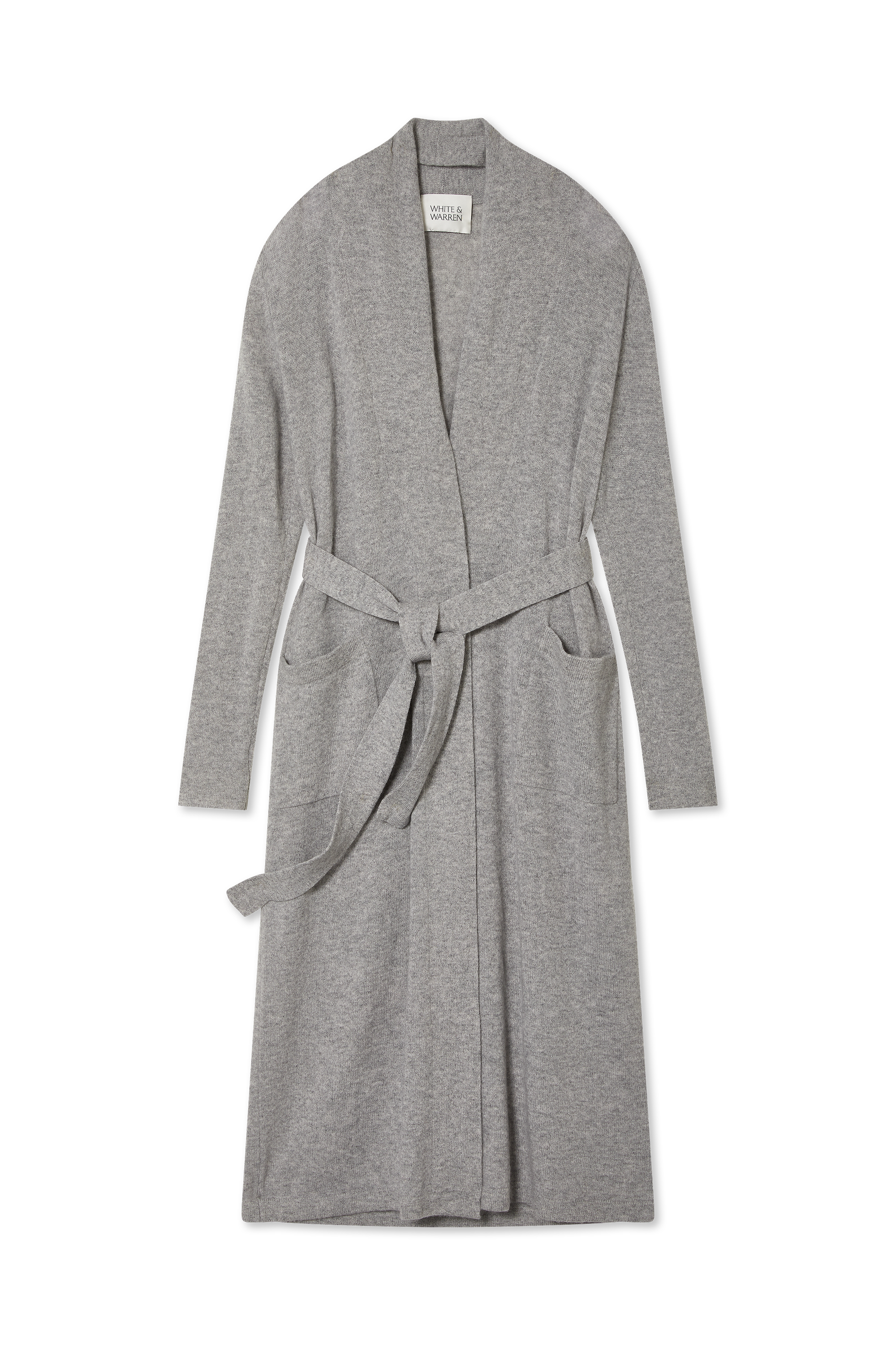
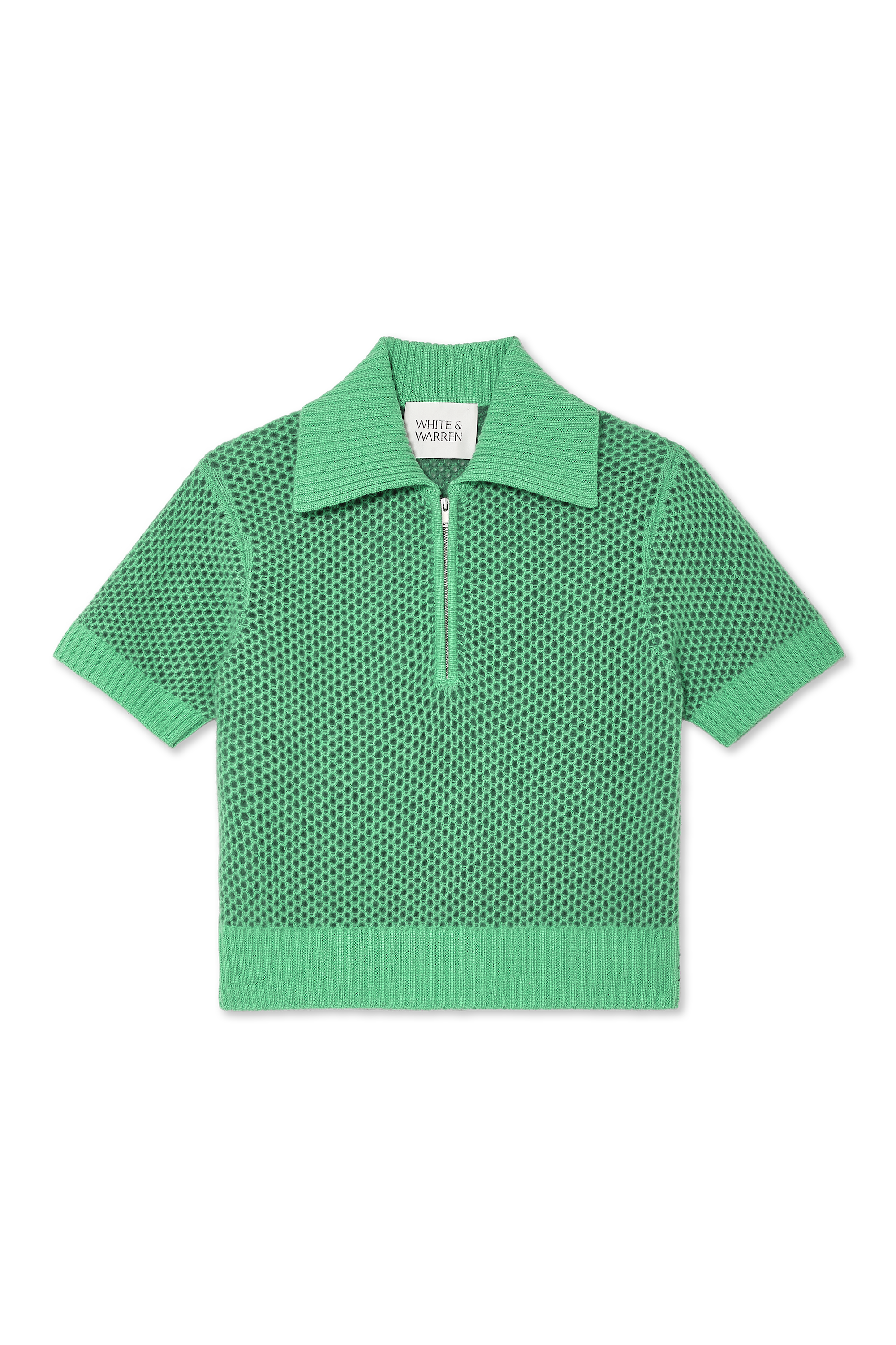
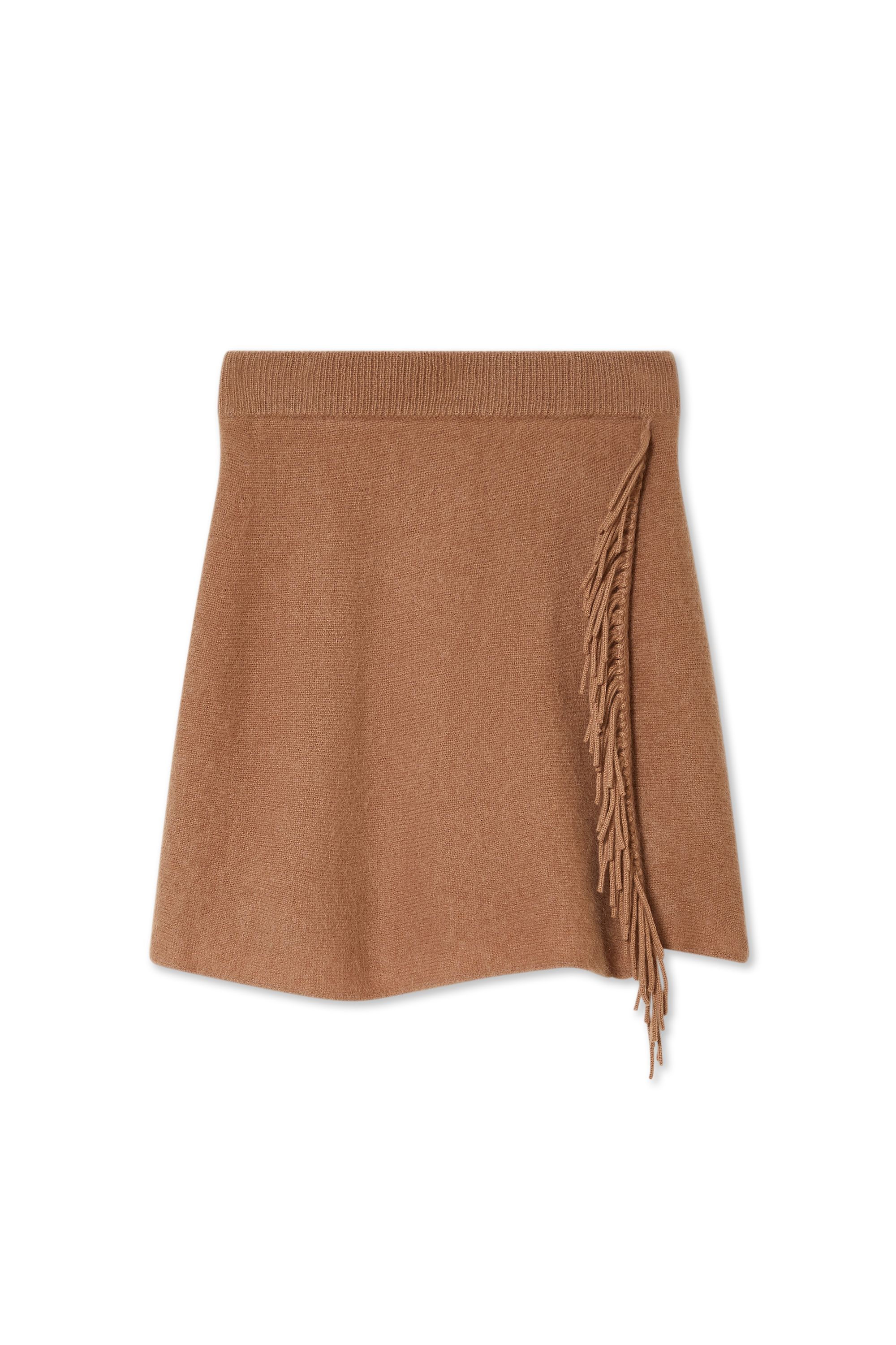
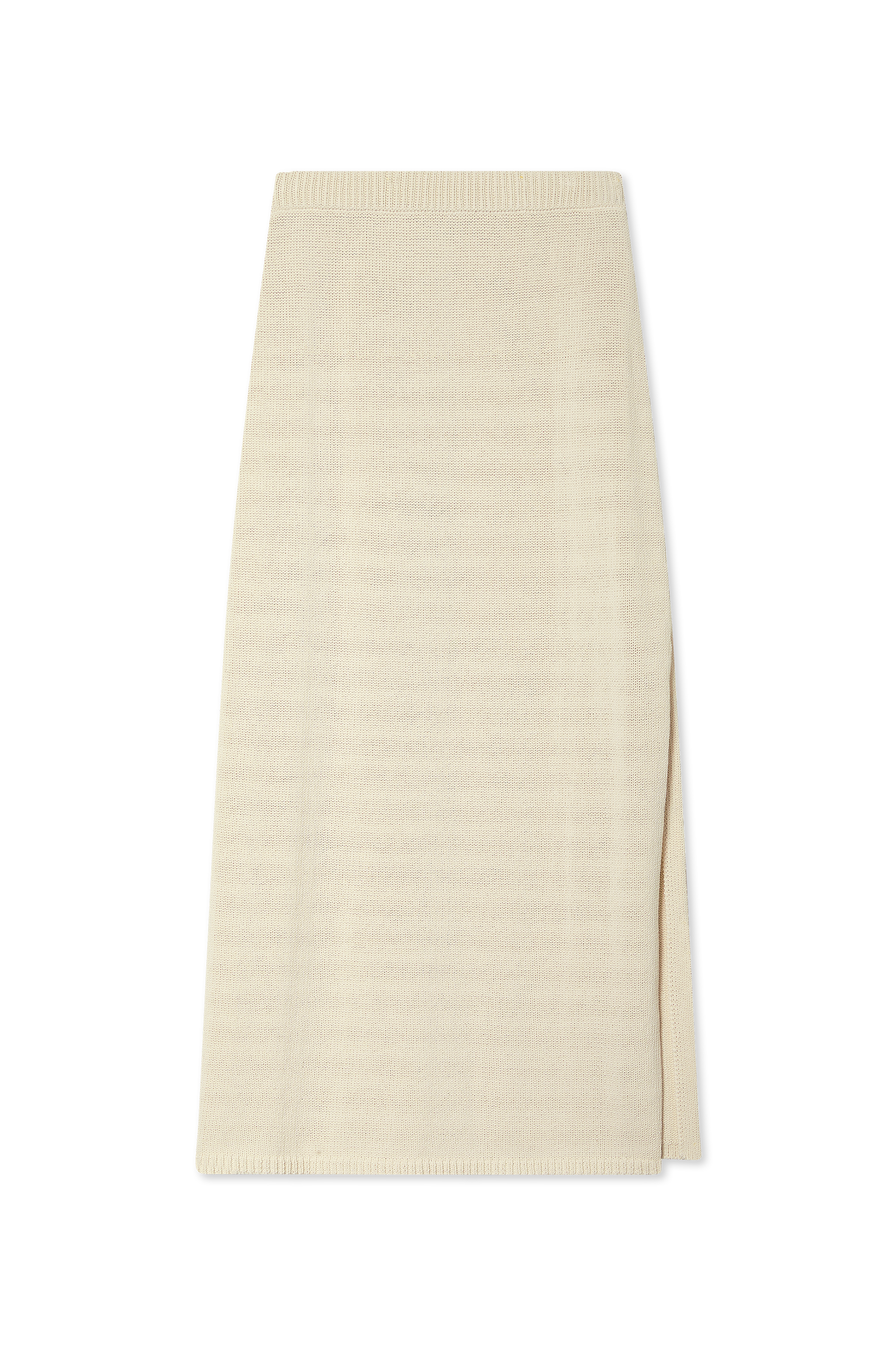
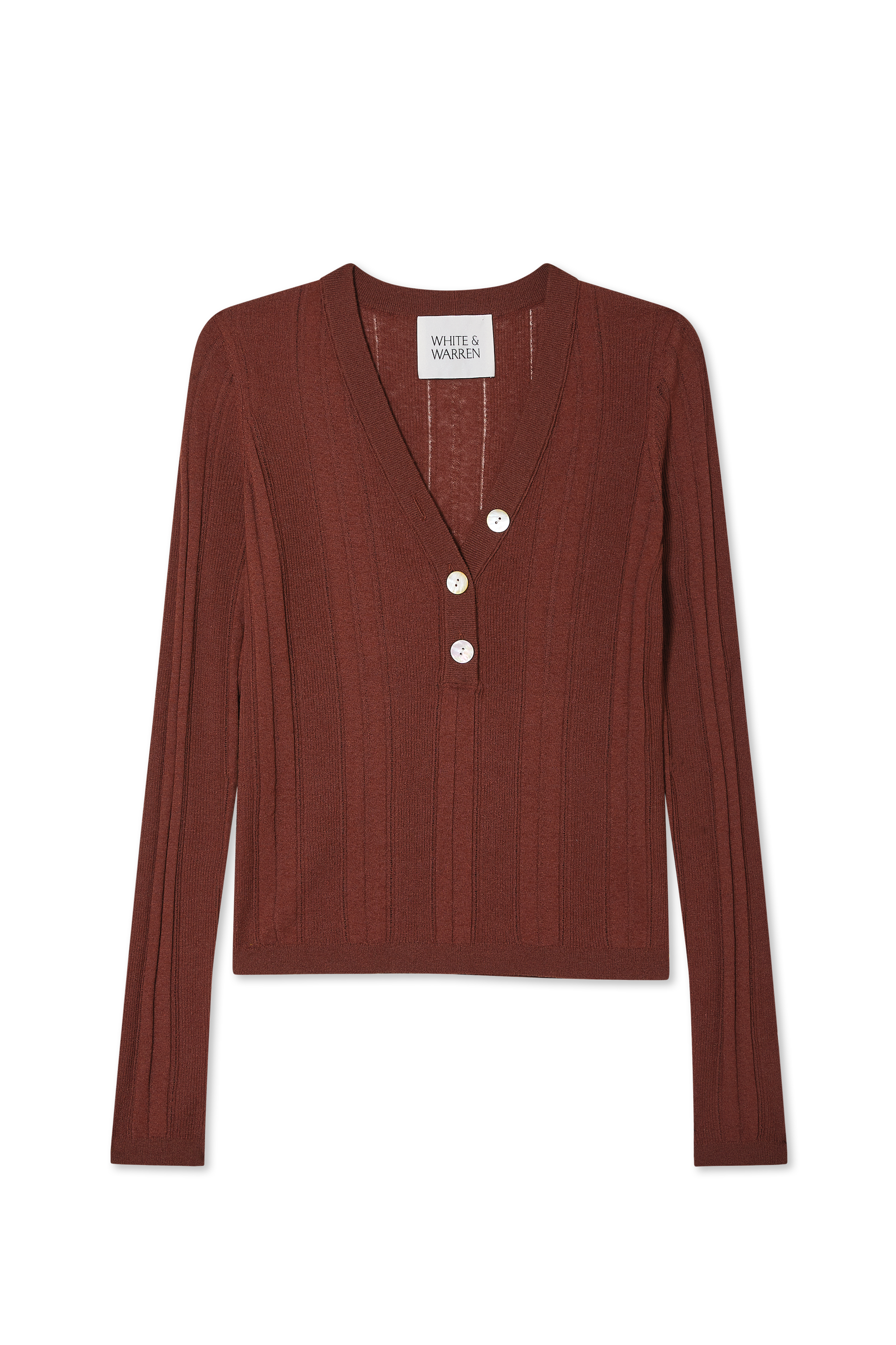
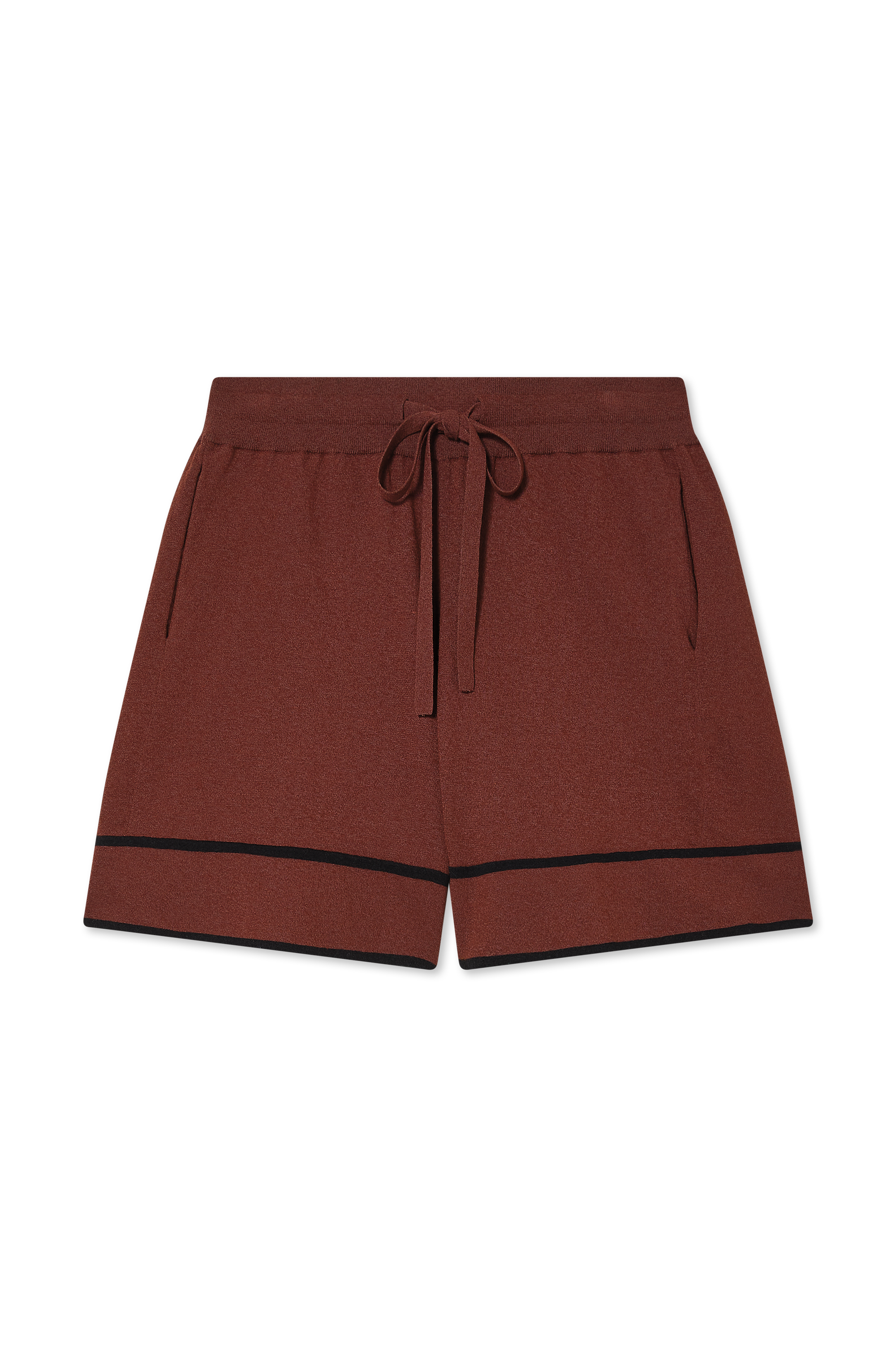
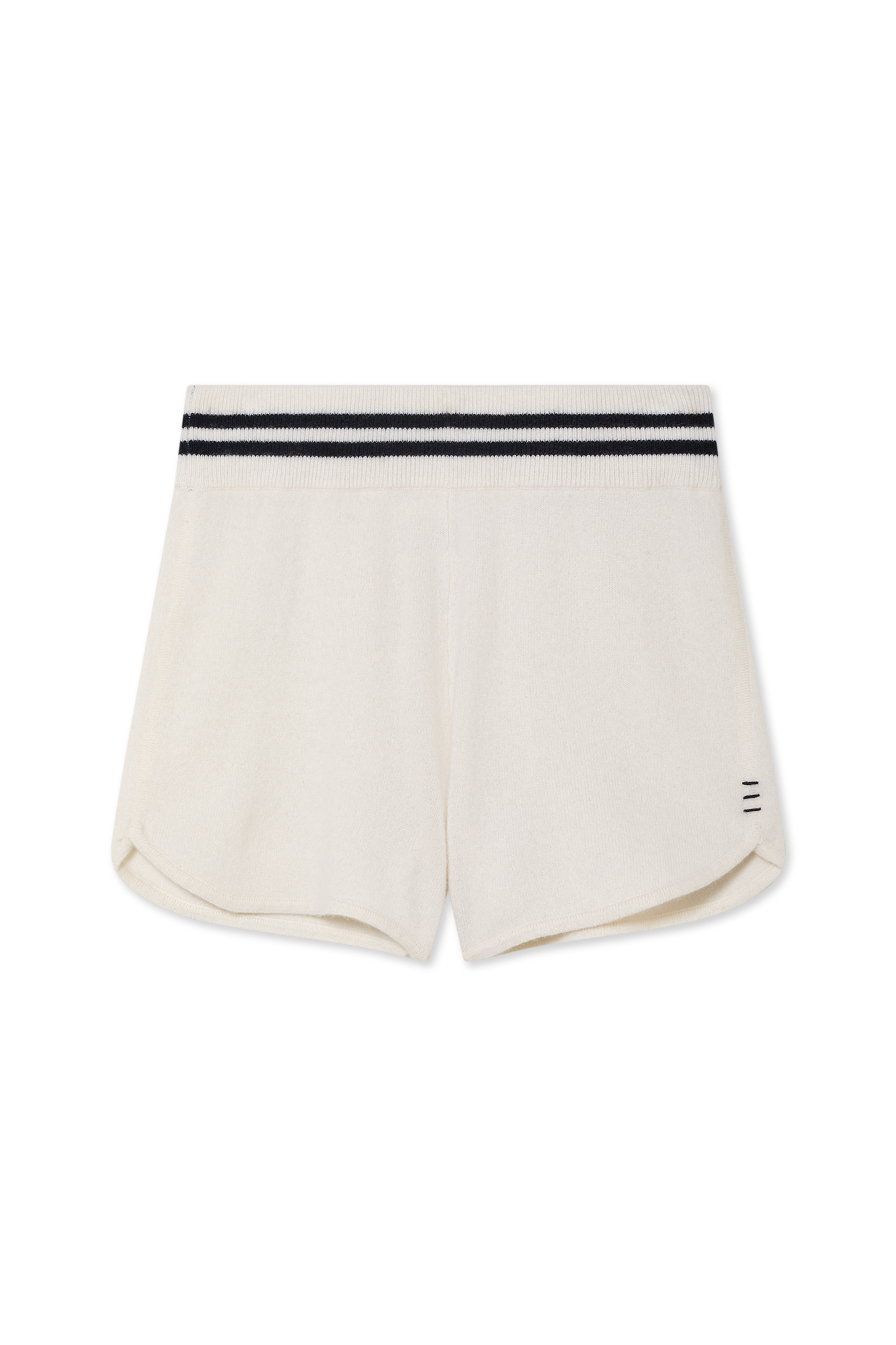
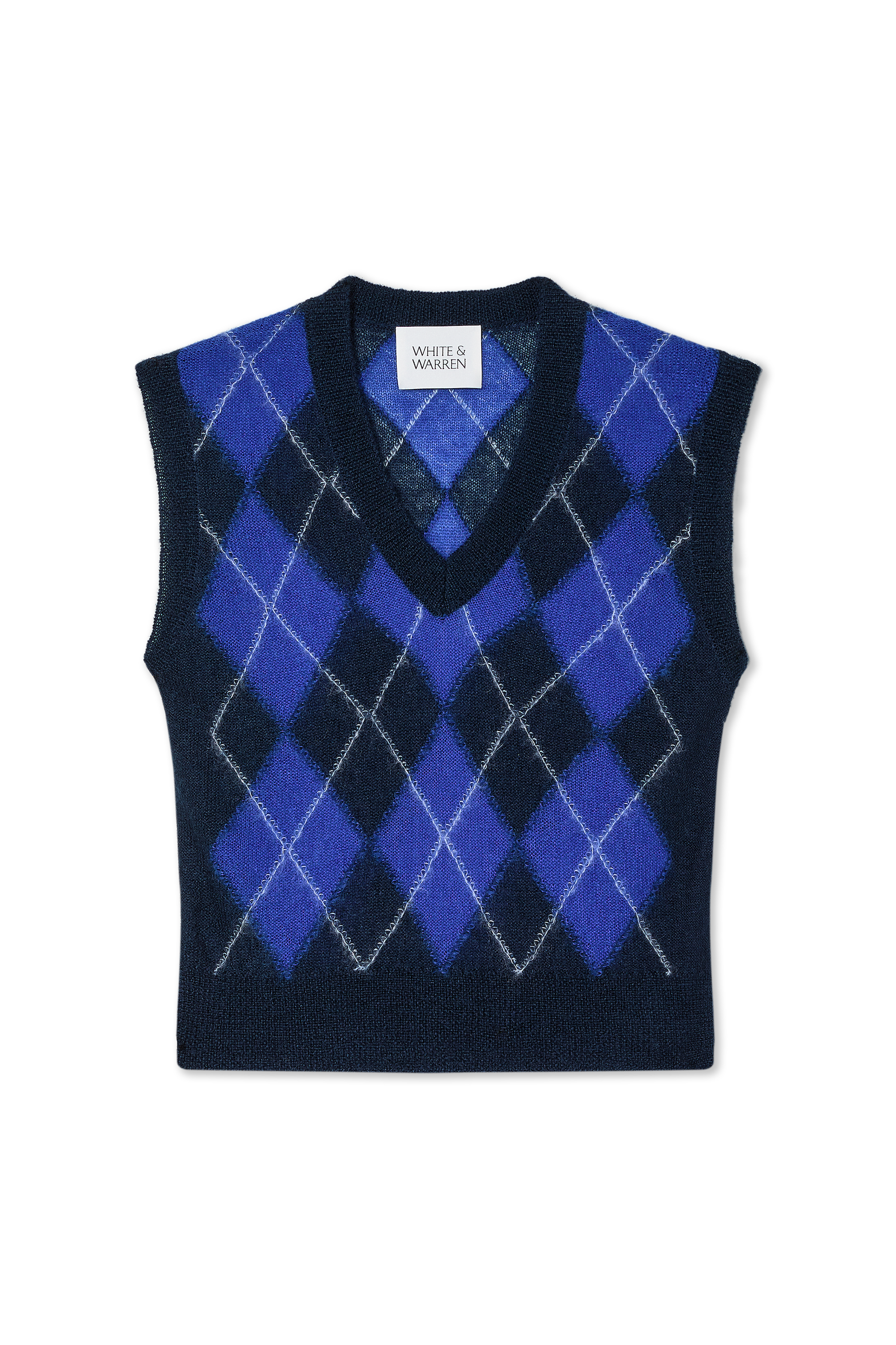
Photographing an entire seasonal collection of 200, 300, or even 500 clothing items is a massive undertaking that overwhelms most brands. The logistics, timeline pressure, and quality consistency requirements turn what should be an exciting product launch into a stressful nightmare if you don't have the right approach.
After seven years of shooting large-scale apparel collections for fashion brands, including shoots where we've photographed 300+ pieces for Dover Street Market in a matter of weeks, we've developed systems that make high-volume apparel photography manageable without quality compromise. Let's break down exactly how to handle seasonal collection photography at scale.
Why Volume Changes Everything
Shooting 200 clothing items is fundamentally different from shooting 20 items. It's not just "more of the same." The challenges multiply:
Timeline pressure intensifies. If each item takes 30 minutes to prepare, photograph, and quality-check, that's 100 hours of work for 200 pieces. Brands often don't realize how much time large collections actually require.
Quality consistency becomes harder. Maintaining the exact same lighting, styling approach, and editing standards from piece one to piece 200 requires systems and discipline. Without proper workflows, quality degrades as fatigue sets in.
Sample management gets complex. Tracking 200 pieces through receiving, preparation, shooting, and return shipping requires organization. One lost or damaged sample becomes a bigger problem when you're managing hundreds.
Deadline inflexibility creates pressure. If your collection launches a specific date, photography can't slip. There's no buffer. The work must get done on schedule regardless of challenges.
The Timeline Reality for Large Collections
Understanding realistic timelines prevents panic and missed deadlines. For 200 clothing items with professional apparel photography, expect this timeline:
Week 1: Logistics and planning. This includes finalizing shot lists, coordinating sample shipping, and confirming delivery schedules. Trying to skip planning creates chaos later.
Week 2: Sample arrival and prep. Products arrive at the studio. Everything gets unpacked, inventoried, inspected, and organized. Issues with samples get identified and addressed.
Week 3: Primary photography and starting retouching. With efficient workflows, a professional studio can shoot 50-75 apparel items per day. This puts 200 pieces across 3-4 shooting days. Basic retouching begins.
Week 5: Editing, quality control, and first image delivery. All images get edited, color-corrected, and retouched to consistent standards. Quality review happens before client delivery. First images to client for review.
Week 6: Image revisions if necessary. You review the gallery, provide feedback, and request any needed changes. Revisions get completed.
Total realistic timeline: 5-6 weeks from initial planning to final delivery. Rush services can compress this but typically at premium cost and with some quality tradeoffs. Brands that try to shoot 200 pieces in two weeks discover why that timeline doesn't work. Rushing creates problems that cost more to fix than giving the project appropriate time from the start.
The Professional Studio Advantage for Volume
Professional studios handle large apparel collections differently than freelancers or small operations:
Dedicated workflows for high volume make the difference. At our Brooklyn studio, we've shot tens of thousands of apparel pieces. We know exactly how to process large collections efficiently.
We use standardized lighting setups that remain consistent across days or weeks. Product 200 gets the same lighting quality as product one.
Product prep stations allow multiple pieces to be prepared simultaneously while others are being shot. This parallel processing keeps the workflow moving.
Multiple shooting bays mean we can work on different product types at the same time.
Scalable team structure allows us to add photographers, stylists, and retouchers as projects require. You get the capacity you need without paying for resources you don't.
Quality control systems include multiple review points throughout the process. Problems get caught and corrected immediately rather than discovered after the entire collection is shot.
Preparation That Prevents Problems
Large collection photography succeeds or fails in the preparation phase. Completing the sample inventory before shooting starts, prevents the chaos of missing pieces discovered mid-project. We check received samples against the shot list and flag any gaps immediately. Sample condition inspection happens item by item. Clothing with wrinkles, damage, missing buttons, or other issues get flagged for repair or replacement before shooting. Organization by category or style type helps maintain styling consistency. Shooting all the dresses together, then all the tops, then all the pants creates more cohesive results than a random order. Backup plans for problem pieces save time. If an item has an issue that can't be fixed quickly, having a clear process for handling it prevents project delays.
Styling Consistency Across Hundreds of Pieces
Maintaining the exact same styling approach from piece one to piece 200 requires discipline and systems. Style guidelines get established at start of the project. How should collars be positioned? Where do sleeves get placed? How many buttons should be buttoned up? These decisions get documented and followed throughout. Reference images from early in the shoot guide later work. The first few perfect shots become templates for styling subsequent similar items. Regular quality checks during shooting help catch any style drift before it affects dozens of pieces. We review images throughout the day, not just at the end. Team communication keeps everyone aligned. When multiple stylists work on a large project, clear communication ensures consistency.
Lighting That Scales
The lighting setup for large collections needs to be both excellent and efficient. We establish the lighting at the start and maintain it throughout. Moving lights between shots creates inconsistency. Professional studios build lighting setups that work for the entire category and don't get adjusted unnecessarily. Backup equipment prevents disasters. With 200 pieces to shoot, equipment failure can't stop the project. Professional studios have backup cameras, lights, and other critical gear ready. Consistent power and color temperature throughout the studio space ensures that products shot in different areas match perfectly. Time monitoring maintains schedule. We track how long each piece takes and adjust the workflow if needed to stay on timeline.
Editing Standards for Large Projects
Post-production for 200 images requires just as much consistency as shooting. Editing templates or presets provide starting points that keep the look consistent across all images. Batch processing for technical adjustments like cropping and background work creates efficiency. Individual attention to each image ensures quality despite batch processing efficiency. Every piece gets reviewed and refined, not just automatically processed. Multi-stage quality control catches problems. One person editing 200 images will make mistakes. Multiple review stages find and fix them.
The Cost Reality of Volume Photography
Understanding pricing for large collections helps with budgeting: Per-image pricing for apparel typically ranges from $50-75 per item for flat-lay photography. That puts a 200-piece collection at $10,000-15,000. Volume discounts usually apply at scale. Many studios offer pricing reductions for projects over 100 pieces. Rush fees add cost if you need compressed timelines. Expect 20-30% premiums for rush delivery. Additional angles or styling variations increase costs. If you need front, back, and detail shots of each piece, budget accordingly. Compare this to the cost of DIY photography at scale: your time, equipment rental, space rental, editing software, and the inevitable reshoots when quality isn't right. Professional studios often cost less when you calculate true total cost.
Questions to Ask Studios About Volume Capacity
When evaluating photographers for large collection work, ask:
"How many apparel pieces do you typically shoot per week?" Studios specializing in volume should have clear capacity numbers. We shoot 200-500 products weekly as standard operation.
"Can I see examples of complete 100+ piece collections you've shot?" Portfolio examples showing full collections, not just hero shots, demonstrate real capability.
"What's your process for maintaining consistency across large projects?" Listen for specific answers about workflows, quality control, and systems.
"What happens if we need to add pieces mid-project?" Flexibility matters. Good studios can accommodate reasonable changes.
"What's your backup plan for equipment or schedule issues?" Professional operations have contingency plans.
When to Schedule Large Collection Shoots
Timing matters enormously for seasonal collection photography:
Peak season (September-November) is when everyone wants photography for holiday and winter collections. Studios book solid 6-8 weeks in advance. If your launch is in this window, book photography 2-3 months ahead.
Spring rush (February-April) sees similar demand for spring/summer photography. Book 6-8 weeks ahead.
Shoulder seasons (May, August, early December) offer better availability and sometimes better pricing. If your launch timing is flexible, these windows make scheduling easier.
Making Large Collections Manageable
The key to successful high-volume apparel photography is breaking the project into manageable phases with clear systems for each. Pre-production planning prevents surprises and establishes clear workflows. Organized sample management keeps track of hundreds of pieces without chaos. Consistent photography systems maintain quality from piece one to piece 200. Efficient editing workflows process large volumes without sacrificing quality. Professional studios make this work look effortless because they've built systems specifically for volume.
We photograph 200-500 pieces weekly as standard work, not as occasional special projects. Ready to discuss your seasonal collection photography needs? Whether you're shooting 100 pieces or 500, let's talk about your timeline and show you exactly how we handle large-scale apparel photography with consistent quality and zero drama.