
Handbag Photography That Shows Leather Quality, Structure, and Craftsmanship
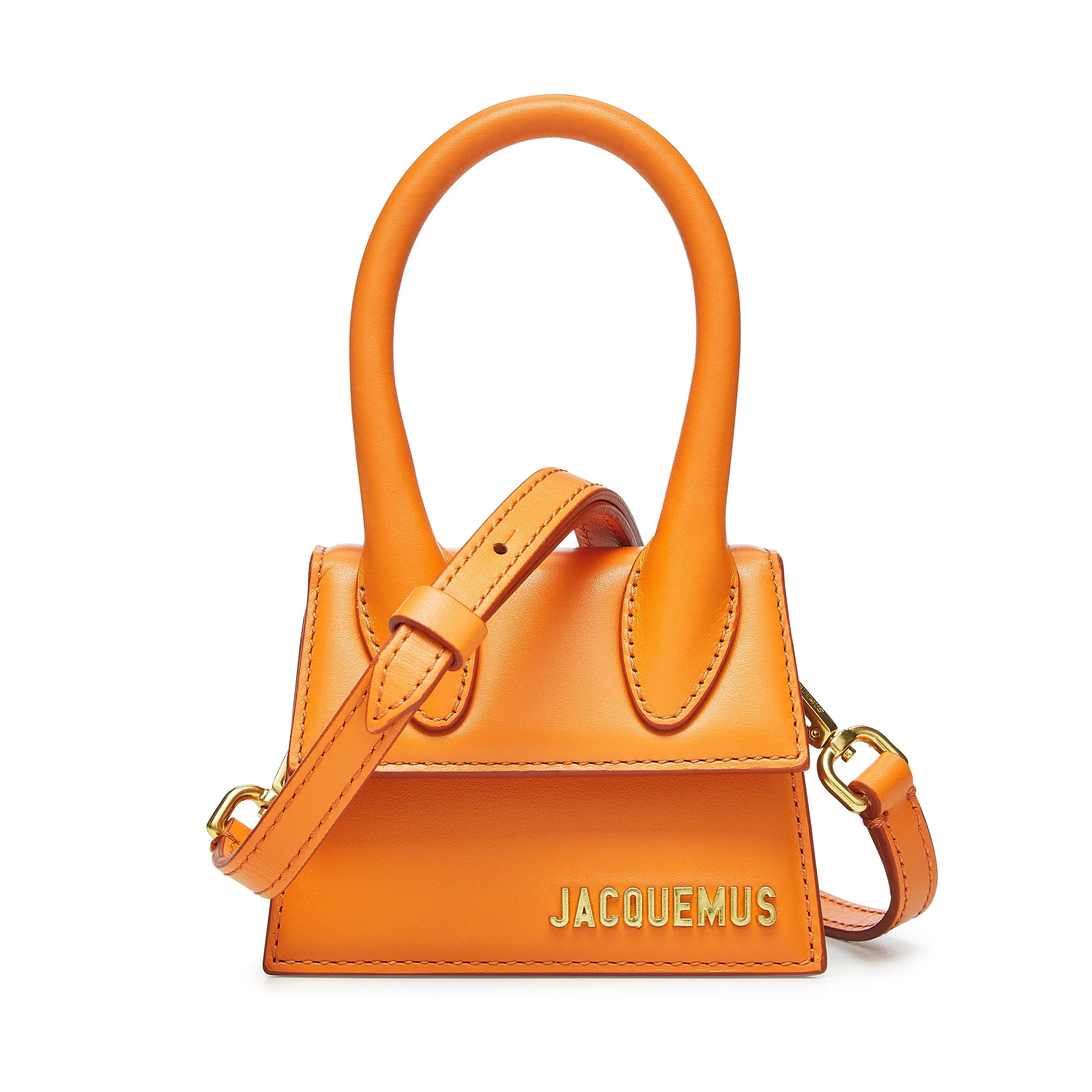
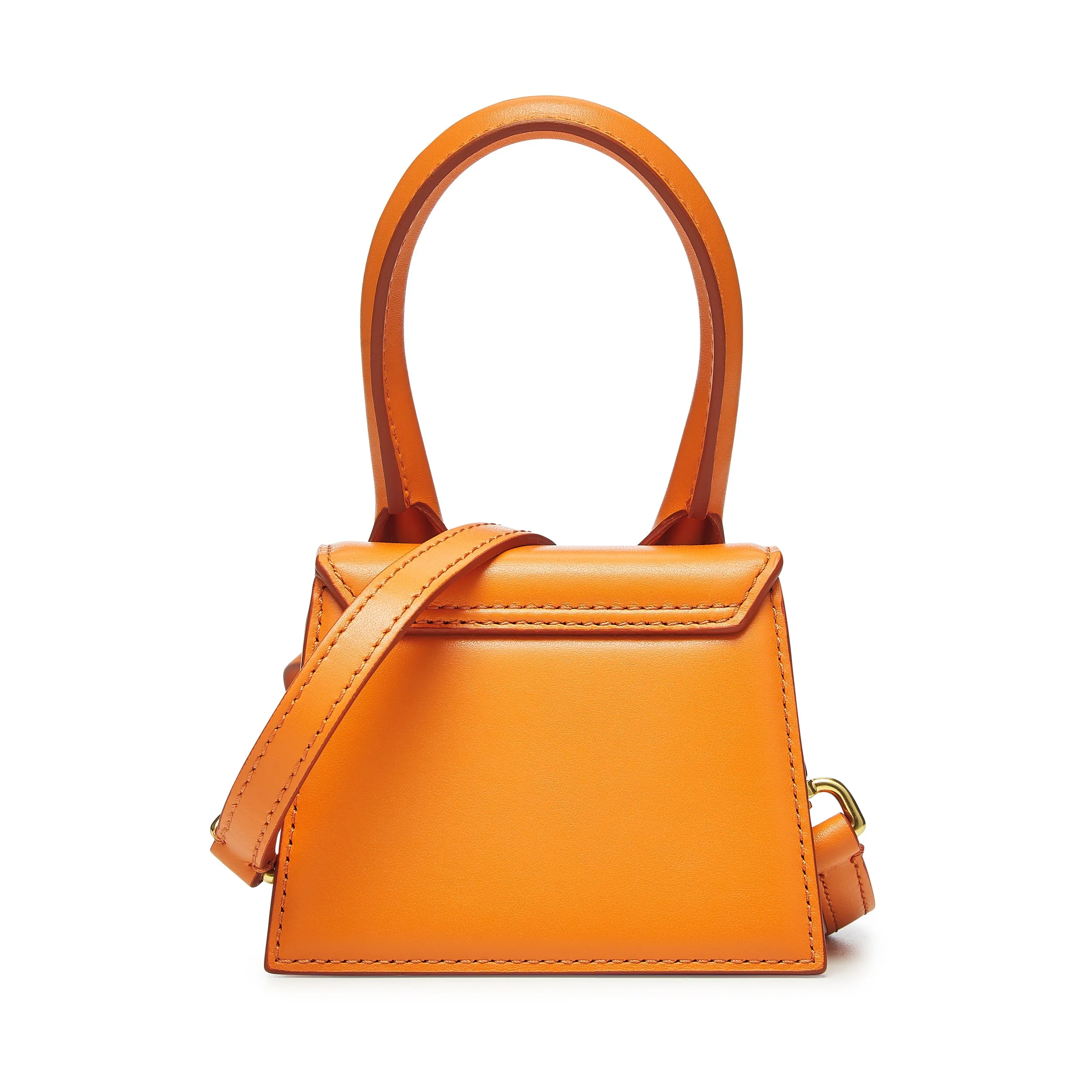
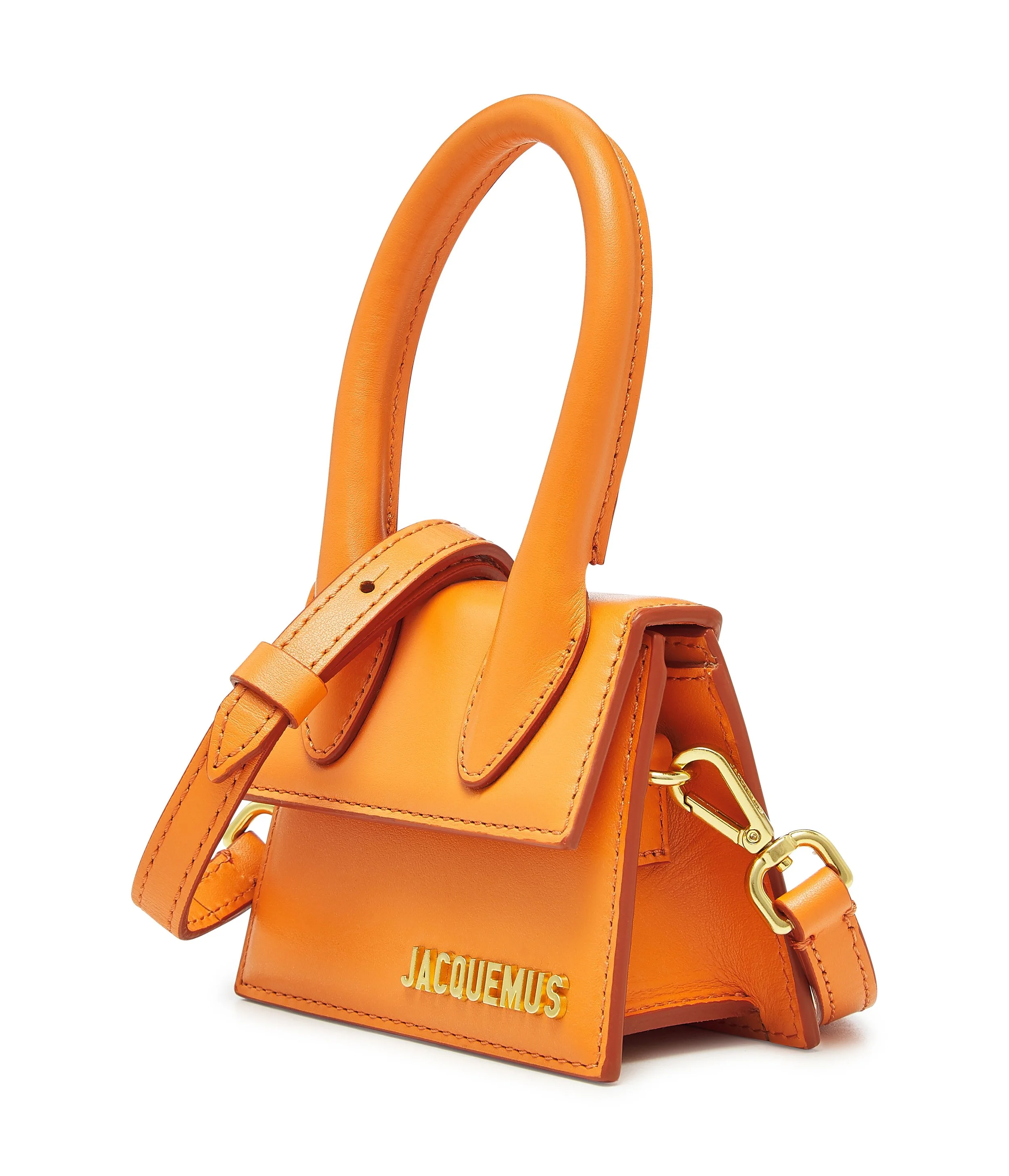
Photographing luxury handbags requires more than pointing a camera at beautiful products. When someone is deciding whether to spend hundreds or thousands on a handbag, the photography needs to communicate quality, craftsmanship, and value that justifies the price.
At Razor Creative Labs, we’ve spent years partnering with brands at every stage, from emerging designers to established luxury labels, capturing handbags and leather goods at scale without compromising detail or consistency. We know exactly what details matter and how to capture them. For a detailed look at our process, take a look at our case study on our longtime relationship with Ghurka. Let’s break down what makes handbag photography work.
Why Handbag Photography Is Technically Challenging
Leather and luxury goods present specific challenges that don't exist with simpler product categories.
Leather texture needs to be visible without looking over-sharpened. When you photograph a pebbled leather tote, customers need to see that texture clearly. Too little detail and the bag looks flat. Too much contrast and the leather looks artificial. Finding the balance requires specific lighting techniques and post-production expertise.
Structure and shape need to show clearly. A well-made handbag has specific silhouettes and proportions that cheaper alternatives lack. The photography needs to show that three-dimensional form accurately. Flat, lifeless product shots make even luxury handbags look cheap.
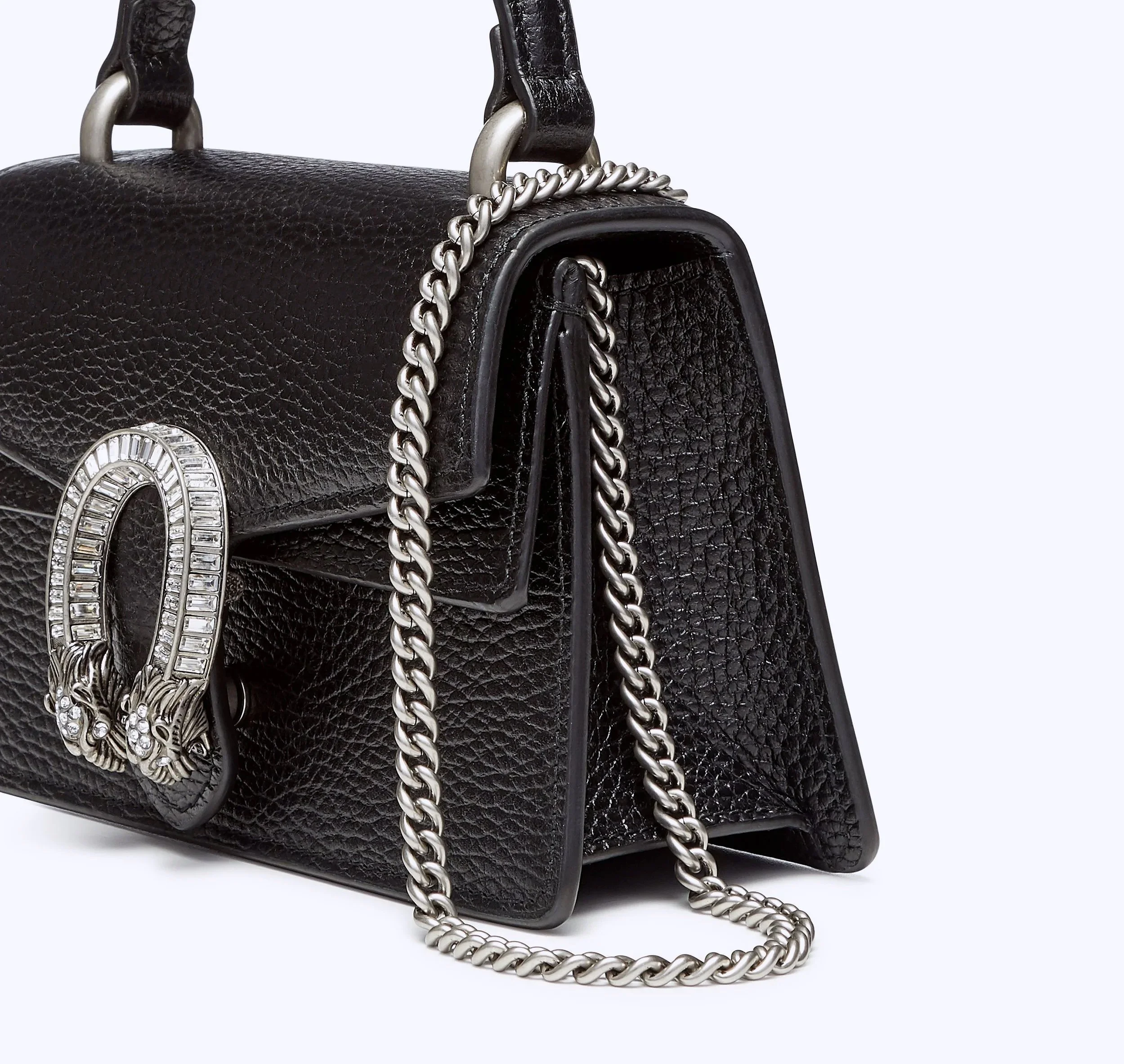
Hardware details matter enormously. The zipper quality, the metal finishes, the stitching precision, the logo placement are all selling points for luxury handbags. These details need closeup shots with perfect focus and lighting that shows their quality.
Color accuracy is critical. Leather comes in hundreds of shades and finishes. "Black leather" can mean matte black, glossy black, black with brown undertones, or black with blue undertones. The photography needs to show the exact shade so customers know what they're getting.
Multiple angles are necessary. Handbags are three-dimensional products that look different from every angle. Showing only one view leaves customers with questions about pockets, closures, straps, and overall shape.
The Preparation That Matters
Professional handbag photography starts before any camera work begins:
Each bag needs to arrive in perfect condition. Dust, fingerprints, scuffs, or creases need addressing before shooting. We inspect every piece carefully and handle any preparation needed.
Stuffing and shaping are essential. Empty handbags photograph poorly because they collapse and lose their structure. Professional studios stuff bags to show their intended shape and proportion. This stuffing needs to be invisible in the final images while providing the structure needed.
Hardware gets polished and positioned. Zippers need to be positioned consistently. Clasps need proper alignment. Chain straps need careful arrangement to avoid tangles or awkward draping. These details take time but make the difference between amateur and professional results.
Lighting Setup for Luxury Goods
Handbag photography requires sophisticated lighting approaches:
Directional lighting shows leather texture and dimension. Unlike flat product photography where even, shadowless lighting works well, handbags benefit from lighting that creates subtle shadows and highlights. This dimensionality makes the bags look luxurious rather than flat.
Multiple light sources control reflections on hardware and glossy leather. Zippers, metal logo plates, and patent leather surfaces reflect everything around them. Professional lighting setups use multiple sources positioned carefully to control these reflections.
Diffusion materials soften harsh contrast. While we want dimension and texture, we don't want harsh shadows or blown-out highlights. Diffusion panels and reflectors help achieve the right balance.
Background lighting keeps white backgrounds pure. When photographing dark leather bags on white backgrounds, the lighting setup needs to keep the background perfectly white without affecting the bag's exposure.
Essential Angles for Complete Coverage
Comprehensive handbag photography includes multiple standard angles:
The hero shot shows the bag at its most recognizable angle. For most handbags, this is a three-quarter view showing the front and one side. This angle displays the bag's shape, key features, and brand identity clearly.
The profile view shows the bag's depth and structure. Customers need to understand how much the bag holds and what its proportions look like from the side.
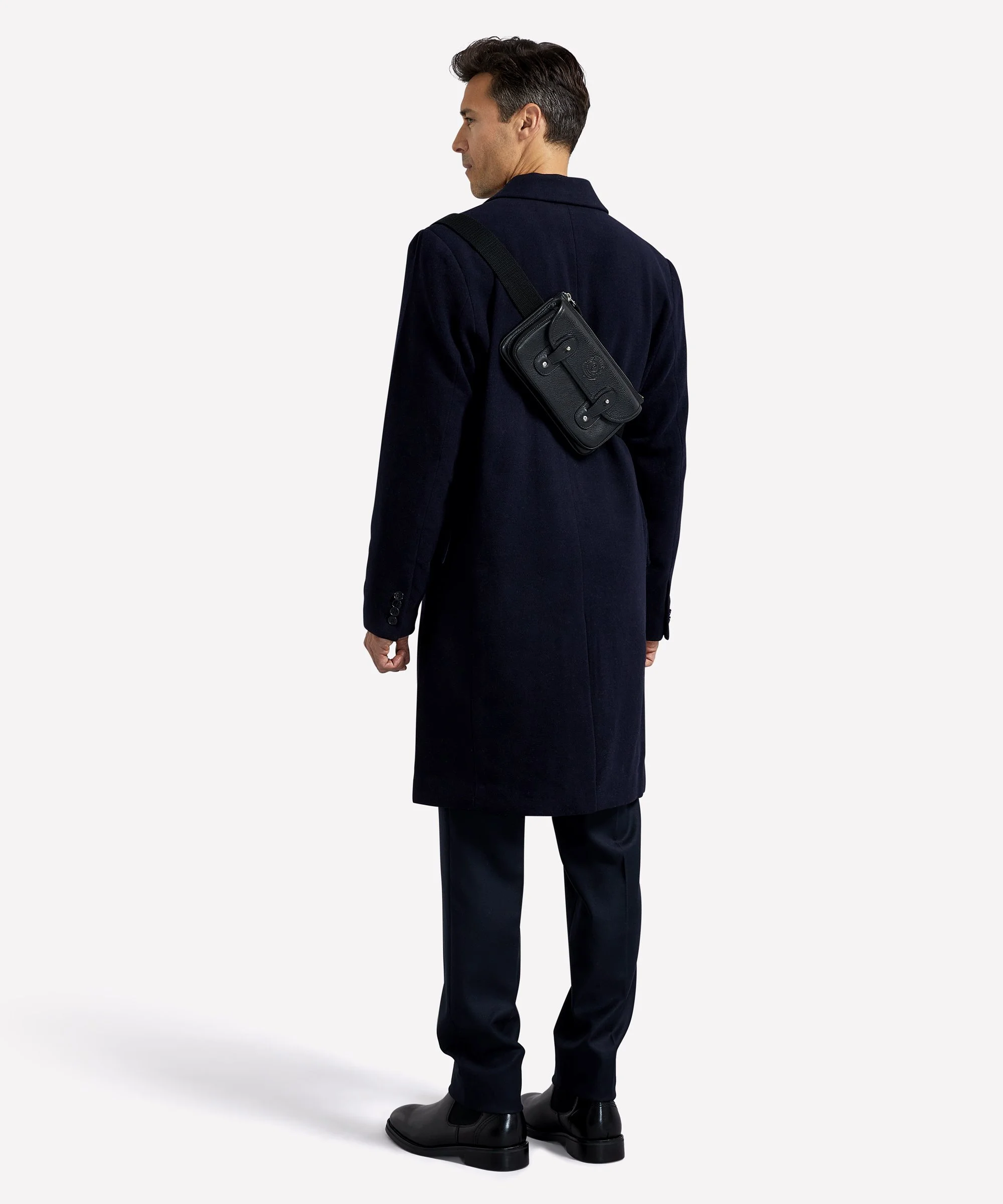
The back view displays details many photographers skip. Pockets, zippers, logos, or design elements on the back matter to customers making decisions.
The top-down view shows the opening and interior configuration. How does the bag close? What's the interior layout? These questions get answered with overhead shots.
Detail shots showcase craftsmanship. Closeups of stitching, hardware, logos, leather texture, and special features prove the quality that justifies luxury pricing.Strap and handle details need dedicated shots. How does the strap attach? Is it adjustable? What's the drop length?
Styling Choices That Enhance Luxury Perception
Beyond technical photography skills, styling decisions impact how luxury customers perceive handbags:
Props need to enhance, not distract. When used sparingly, props like silk scarves, jewelry, or lifestyle elements can enhance luxury positioning. Overused or poorly chosen props cheapen the presentation.
Model hands can add scale and aspiration. For certain handbags, shots with model hands holding or carrying the bag help customers visualize ownership and provide scale reference.
Surface choices matter. The surface the bag rests on affects perception. Clean white backgrounds keep focus on the product. Textured backgrounds like marble, wood, or fabric can enhance luxury perception when used appropriately.
Composition follows luxury marketing principles. Negative space, symmetry, and careful arrangement create the polished look luxury customers expect.
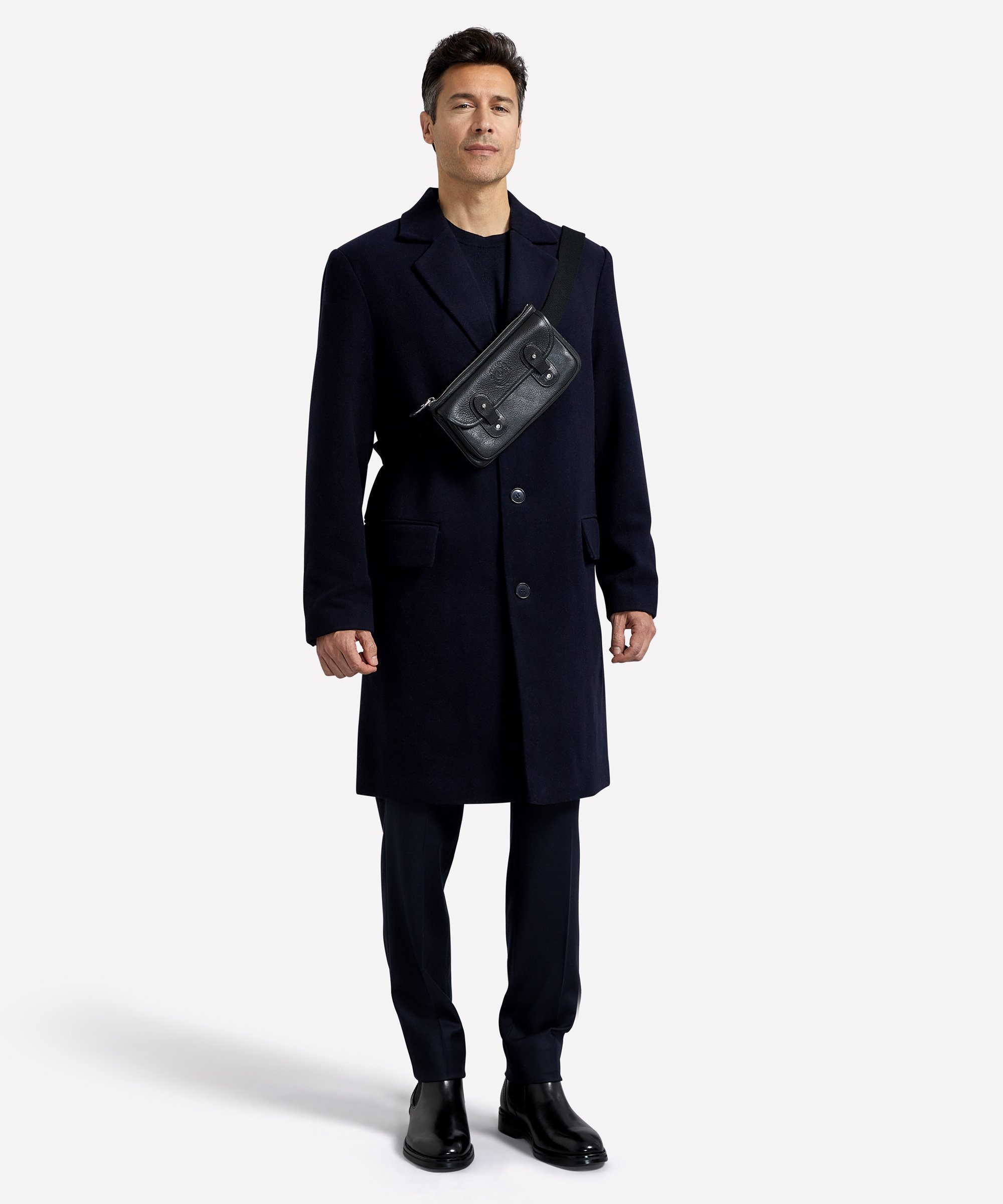
Color Accuracy for Leather Goods
Leather color accuracy presents unique challenges:
Leather has complex undertones that digital cameras struggle to capture accurately. A cognac leather handbag might have red undertones, brown undertones, or orange undertones. The photography needs to show these subtleties accurately.
Different leather finishes affect color perception. Matte leather, glossy leather, and suede all reflect light differently, which affects how color appears in photographs.
Lighting temperature impacts perceived color. Professional studios use controlled color temperature lighting and calibrated monitors to ensure that what you see on screen matches the actual product.
Color proofing prevents expensive mistakes. Before final delivery, professional studios provide color proofs for client review, allowing correction if needed.
Detail Shots That Sell Luxury
Luxury handbag buyers scrutinize details. Photography needs to show:
Stitching precision communicates craftsmanship. Closeup shots showing perfectly straight, even stitching demonstrate quality construction.
Hardware finish and weight look expensive or cheap depending on photography. Closeups showing substantial, well-finished metal components justify premium pricing.
Logo application shows brand authenticity. Whether embossed, stamped, or plated, logo details need clear photography.
Leather edge finishing reveals construction quality. Hand-painted edges, raw edges, or reinforced edges all indicate different quality levels that customers notice.
Interior lining quality matters. Luxury bags often feature premium interior materials that deserve photographic attention. Functional elements like magnetic closures, zipper quality, and strap adjustments show thoughtful design.
What to Look for in Handbag Photography Partners
When evaluating photographers or studios for handbag work, consider portfolio depth in accessories and leather goods, as this indicates real specialization. Look for dozens of handbag examples, not just a few. Quality detail shots in portfolio examples reveal whether they understand what luxury buyers want to see. Styling sophistication shows how products are presented and lit. Luxury looks different from budget, and good studios know the difference. Client lists that include recognizable brands or luxury labels indicates proven capability. Understanding of leather and materials shows how well versed they are at photographing different finishes, textures, and hardware.
Making Handbags Look Worth Their Price
The goal of luxury handbag photography is simple, make customers believe the product is worth what you're charging. This requires technical excellence in lighting, focus, and color accuracy forms the foundation. Styling decisions that enhance luxury perception without gimmicks or distraction maintain focus on product quality. Comprehensive coverage showing every angle and detail answers customer questions and builds confidence. Consistent quality across collections creates brand cohesion and professionalism.
Ready to see what professional handbag photography can do for your leather goods brand? Let's discuss your collection and show you exactly how we capture the quality, craftsmanship, and luxury details that justify premium pricing.