
The Complete Guide to Flat-Lay Apparel Photography for eCommerce Success
Flat-lay apparel photography has become the backbone of successful eCommerce fashion stores, and for good reason. When you scroll through any major fashion retailer's website, you'll see it everywhere. Clothing arranged flat on a surface, photographed from above, creating clean and consistent product images that help customers make buying decisions. After seven years of shooting flat-lay photography for fashion brands from Dover Street Market to emerging direct-to-consumer labels, we've learned exactly what makes flat-lay work for eCommerce. Let's break down why this style dominates online fashion retail right now and how to get it right.
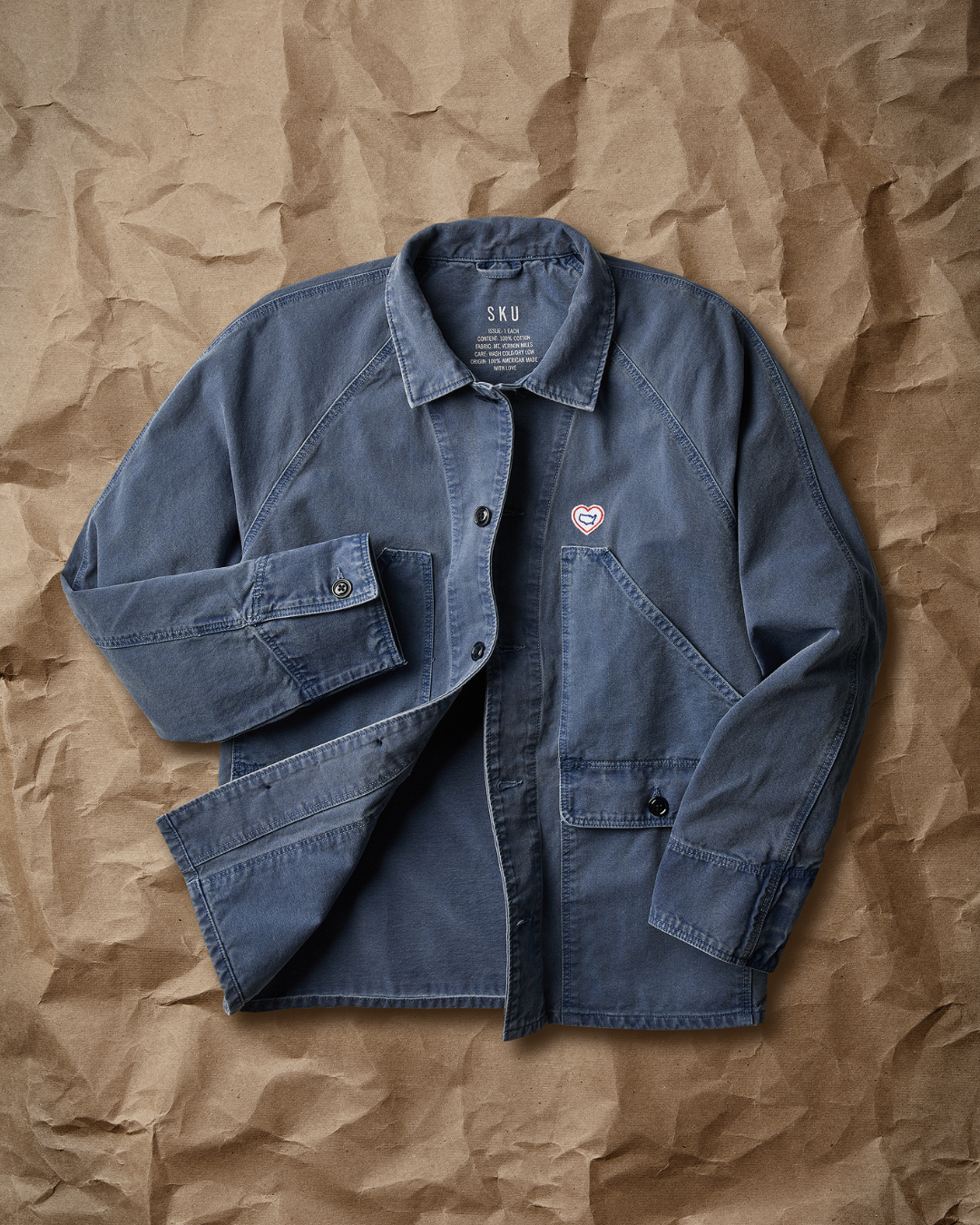
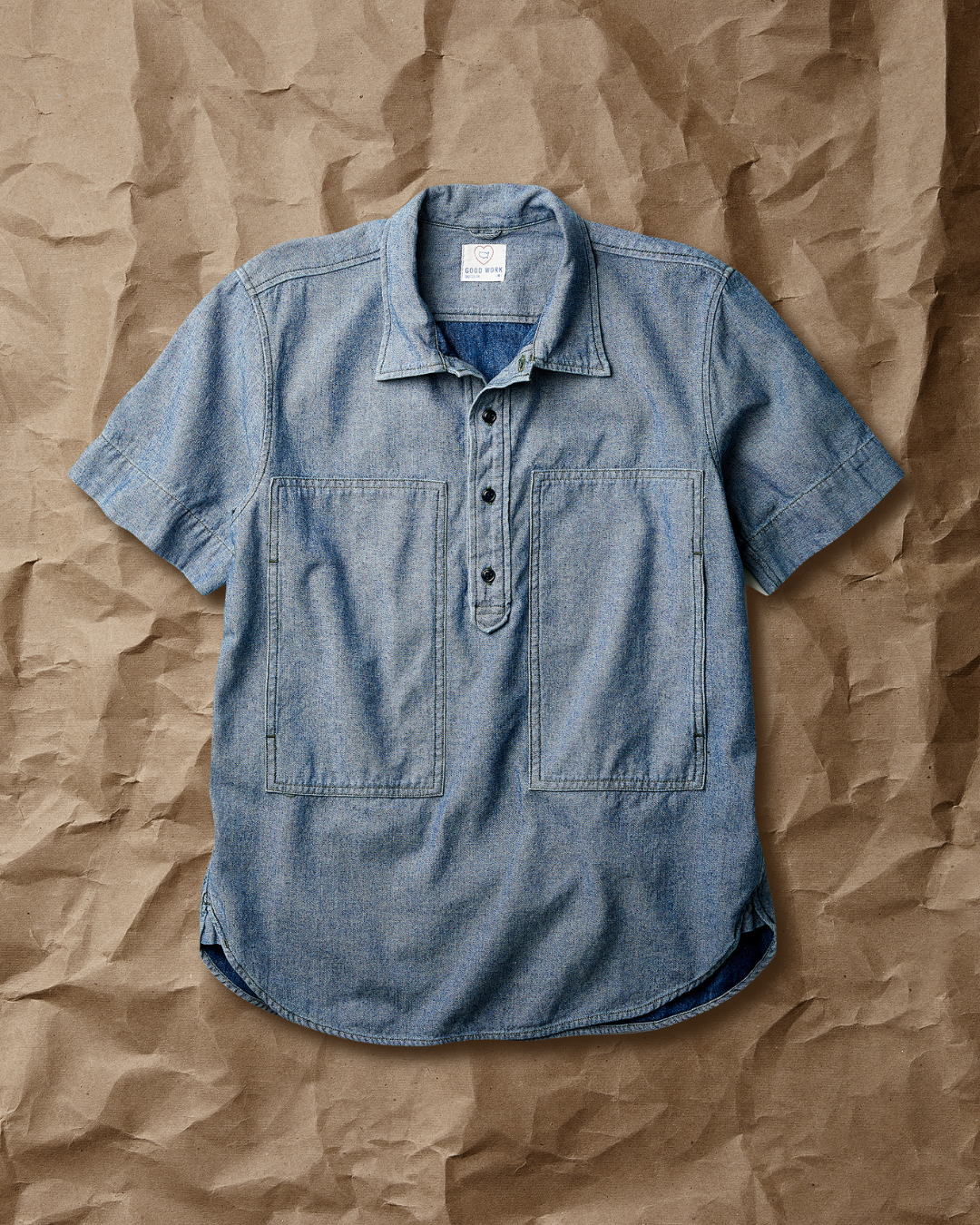
Why Flat-Lay Photography Dominates eCommerce Fashion
The numbers tell the story. Flat-lay apparel photography makes up approximately 50% of product images on successful fashion eCommerce sites. This isn't a coincidence or a trend. It's because flat-lay solves specific problems that fashion brands face when selling online.
First, flat-lay is fast. When Dover Street Market needs 300+ pieces photographed for a seasonal launch, flat-lay makes that timeline possible. A professional studio can photograph 50-100 garments per day with flat-lay, compared to 10-20 looks per day with on-model photography. If you're launching a full collection, this speed difference means the difference between hitting your launch date and missing it.
Second, flat-lay is cost-effective. No models means no model fees, no hair and makeup costs, no fitting time, and no location expenses. For brands launching 100+ SKUs per season, this cost efficiency makes professional photography financially feasible instead of prohibitively expensive.
Third, flat-lay puts complete focus on the garment itself. Customers can see the color, the fabric, the construction details, and the design without any distraction. When someone is deciding between similar products, this clarity drives conversions.
The Technical Elements That Matter
Professional flat-lay photography relies on several technical elements working together:
Camera position matters more than most people realize. The camera needs to be positioned directly above the garment at a consistent height. Even slight angles create perspective distortion that makes clothing look unnatural. Professional studios use overhead mounting systems that keep the camera perfectly aligned shot after shot.
Lighting needs to be even while still showing fabric texture. This requires multiple light sources positioned correctly and often includes diffusion materials to soften the light. Too harsh and you get distracting shadows. Too soft and the garment looks flat and lifeless.
Background consistency is critical. The surface needs to be perfectly clean and consistently white or neutral. Any texture, wrinkles, or color variation in the background pulls attention away from the product.
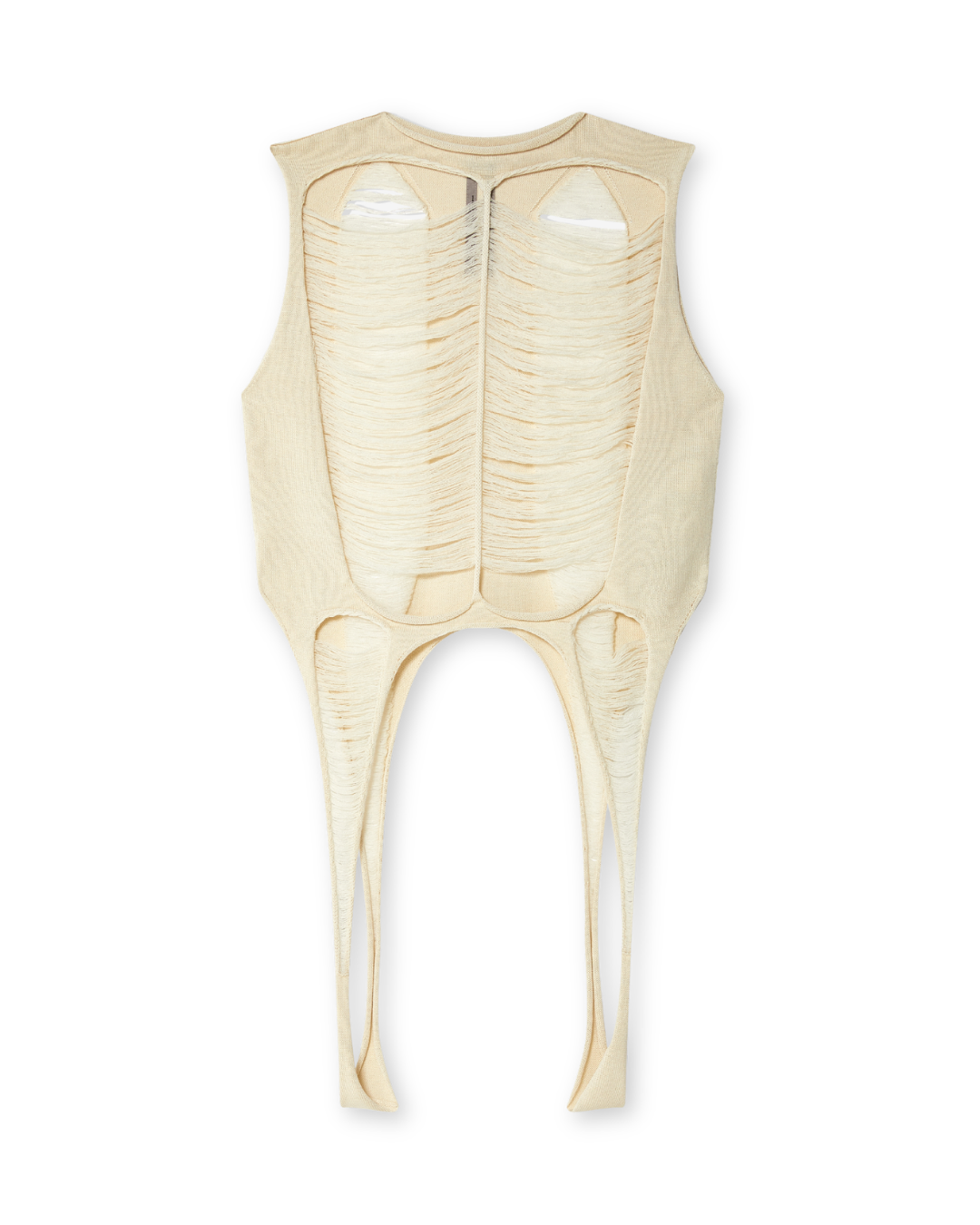
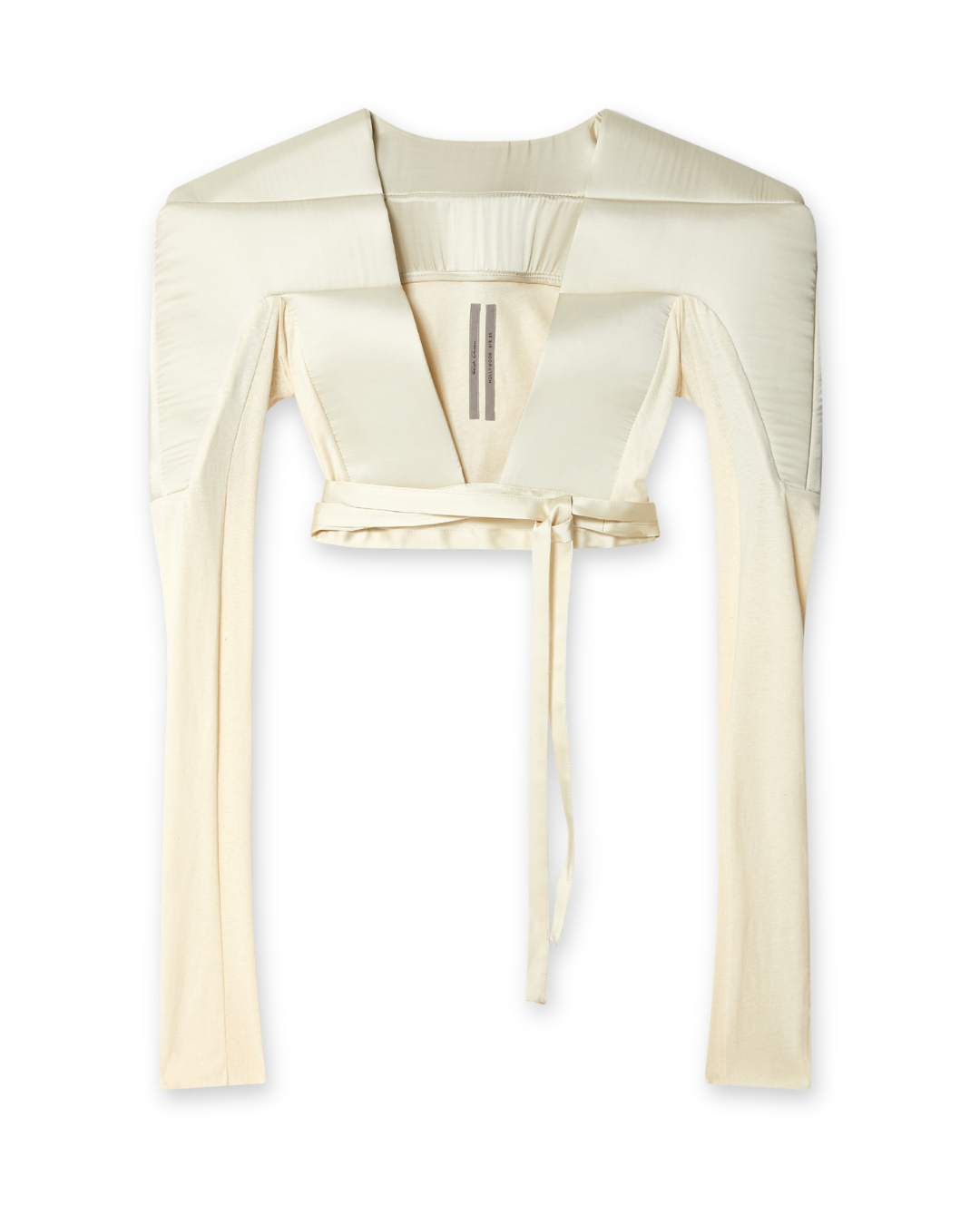
Styling technique separates good flat-lay from great flat-lay. How should a dress be folded to show its silhouette? Where should the sleeves of a jacket be positioned? How do you arrange a button-up shirt to show both the front placket and the collar details? These decisions impact whether the image communicates the garment's appeal.
Pin-Up Photography: An Alternative with Added Dimension
While flat-lay dominates eCommerce apparel photography right now, pin-up photography offers compelling advantages for certain garments and brand aesthetics.
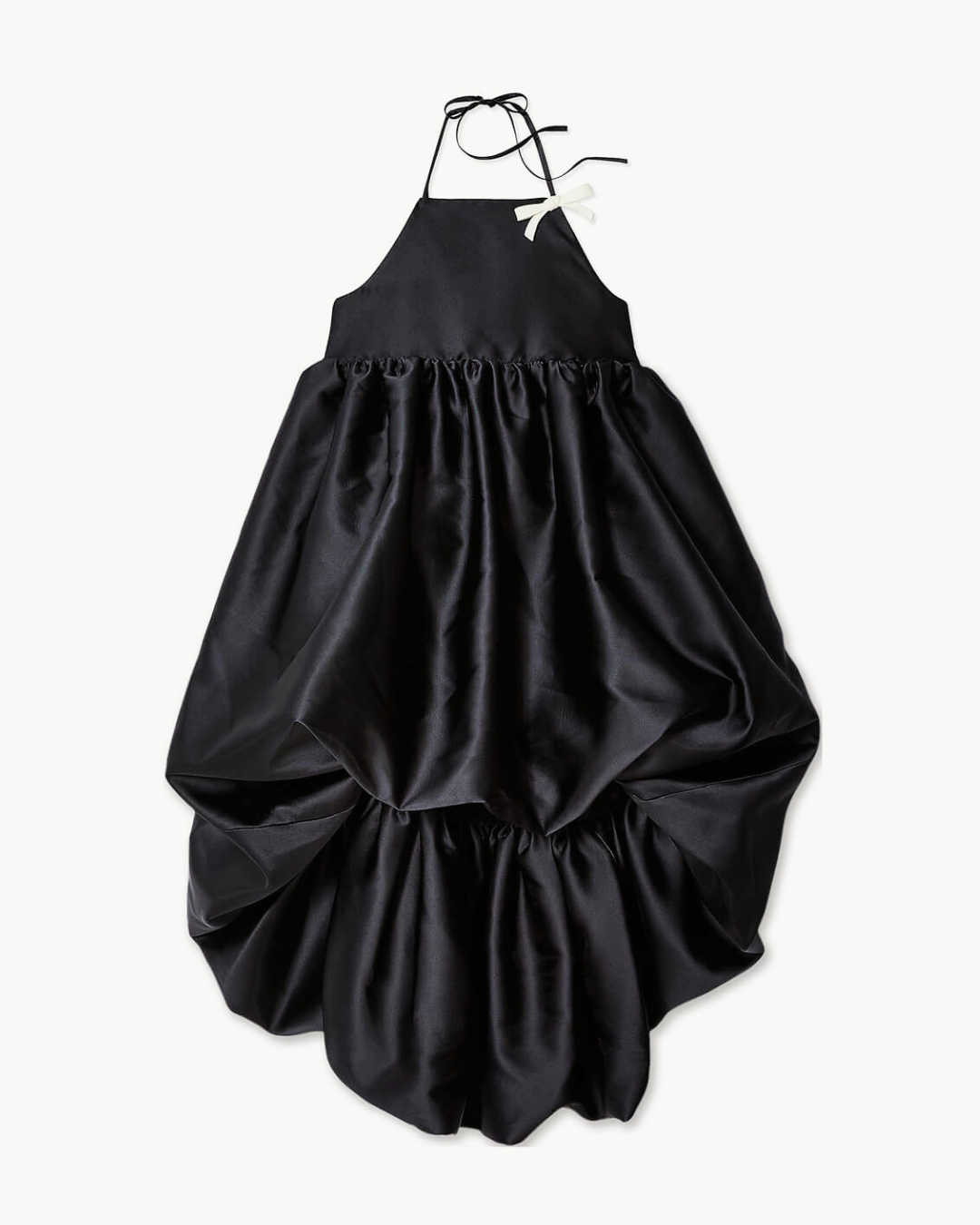
Pin-up photography shows natural drape and movement. Unlike flat-lay where garments lie completely flat, pin-up captures dimension and flow.
The advantages are significant. Pin-up shows greater movement in apparel because gravity creates natural draping. Dresses, skirts, and flowing pieces display their intended silhouette better when hanging rather than arranged flat. The garment has more dimension. It's not compressed against a surface, so you see depth and shape that flat styling can't achieve.
Lighting quality improves with pin-up because you can light the garment from multiple angles without the constraints of overhead-only positioning. This creates more dynamic, dimensional images that can be more visually interesting than flat-lay while maintaining product focus.
The key consideration? Pin-up photography typically requires a professional stylist to position garments correctly and ensure consistent presentation across a collection. True flat-lay can sometimes be executed without a stylist, which explains its current popularity for high-volume production, though professional stylists can produce the same amount of pin-ups as they do flat-lays. But when you want movement, dimension, and elevated lighting, and have the right products for it, pin-up delivers results that flat-lay cannot.
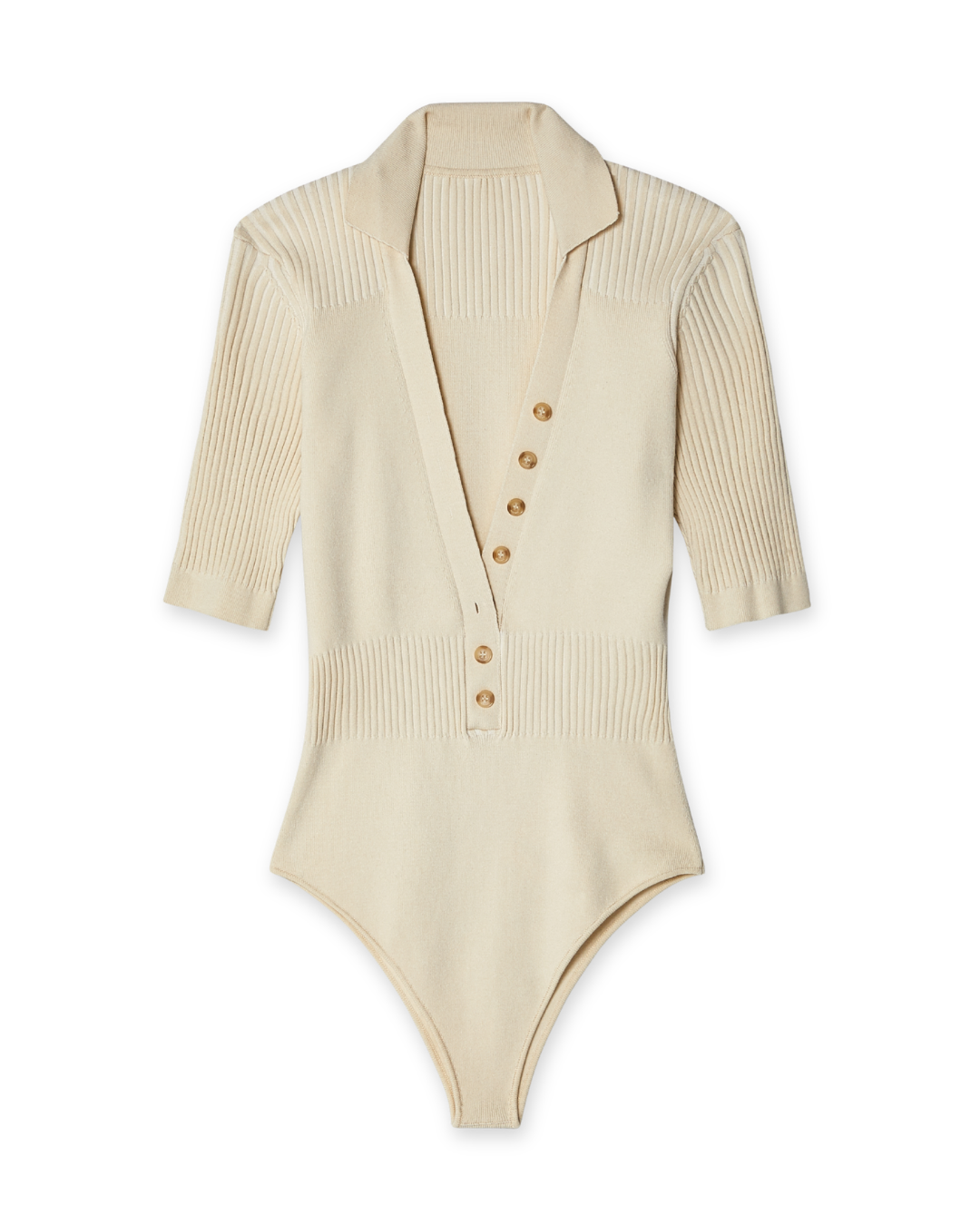
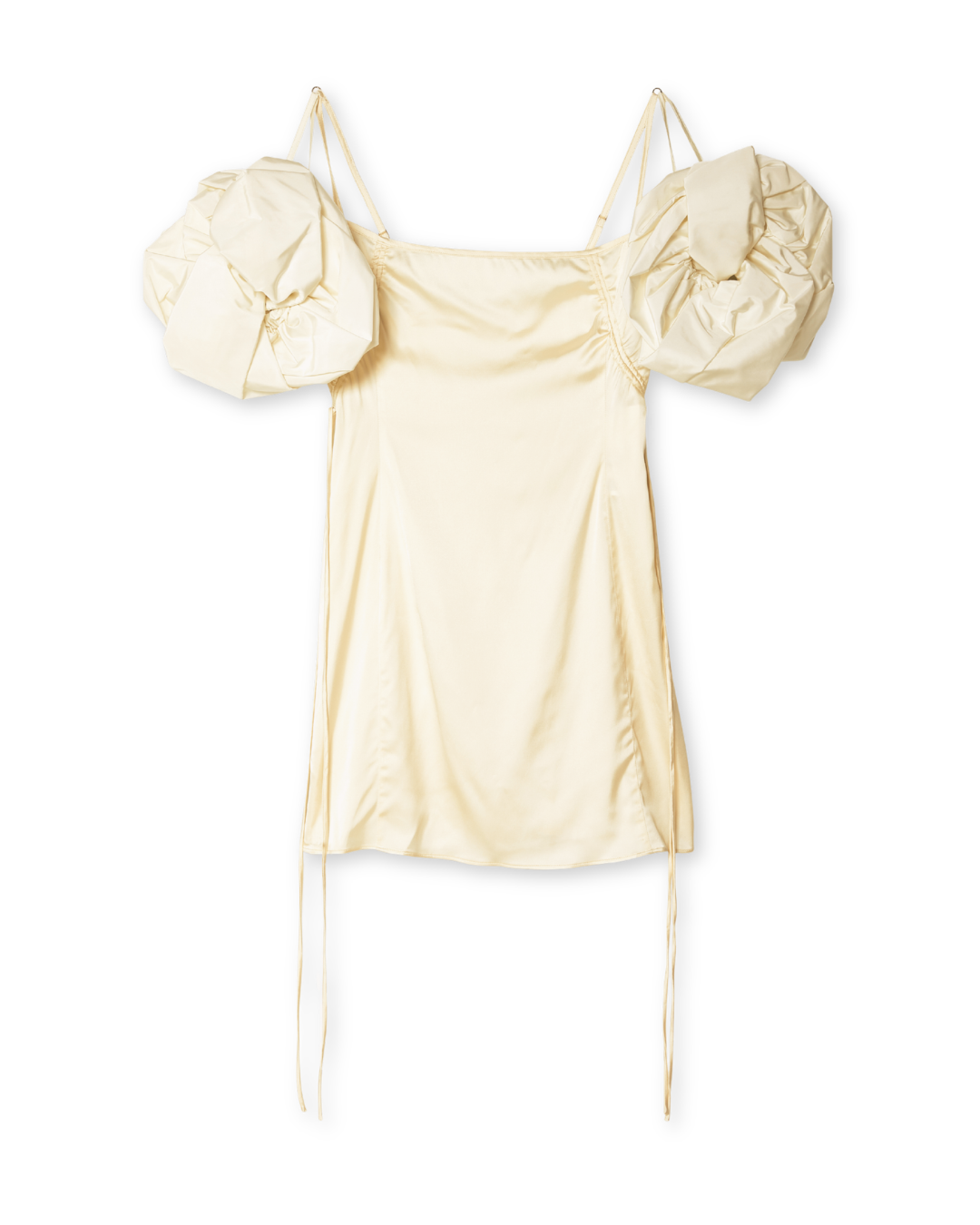
When Flat-Lay Works Best
Flat-lay excels in specific situations:
For large catalogs, flat-lay is the only practical approach (see note below about pin-up!). If you're shooting 100+ pieces per season, the speed and cost efficiency of flat-lay makes it the clear choice. On-model photography at that scale becomes prohibitively expensive and time-consuming.
For detail-focused products, flat-lay lets you showcase fabric quality, construction techniques, and design elements that might get lost in lifestyle photography. When your competitive advantage is craftsmanship, flat-lay shows it clearly.
For frequent product launches, fast-fashion brands and brands with monthly new arrivals need photography that keeps pace. Flat-lay allows quick turnaround. We can receive samples, shoot them, and deliver finished images within one week.
For minimal brand aesthetics, if your brand leans modern, clean, or product-focused, flat-lay aligns perfectly with that visual language. Think Everlane, COS, or Uniqlo. The photography style supports the brand positioning.
For budget-conscious brands, not every brand has unlimited photography budgets. Flat-lay delivers professional results at a fraction of the cost of lifestyle or on-model shoots while still driving conversions.
When to Combine Flat-Lay With Other Styles
Smart fashion brands don't choose flat-lay or on-model photography. They use both strategically based on the specific goal for each image. A typical product page strategy might look like this:
Image one is a clean flat-lay hero shot showing the garment clearly.
Images two through four shows the garment on-model so customers can see fit and proportion.
Image five is an on-model video.
This combination gives customers everything they need. The clarity of flat-lay for understanding what they're buying, plus the context of on-model for understanding how it will look when worn.
For social media, the mix shifts. Instagram and TikTok favor on-model content because people connect with people. But product announcement posts, sale promotions, and new arrival highlights work well with clean flat-lay shots.
Common Flat-Lay Mistakes Brands Make
The biggest mistake is underestimating preparation time. Even with identical t-shirts, each one needs to be unpacked, inspected, steamed, styled, photographed from multiple angles, and quality-checked. Brands that skip the prep end up with wrinkled, sloppy images that hurt conversions instead of helping them.
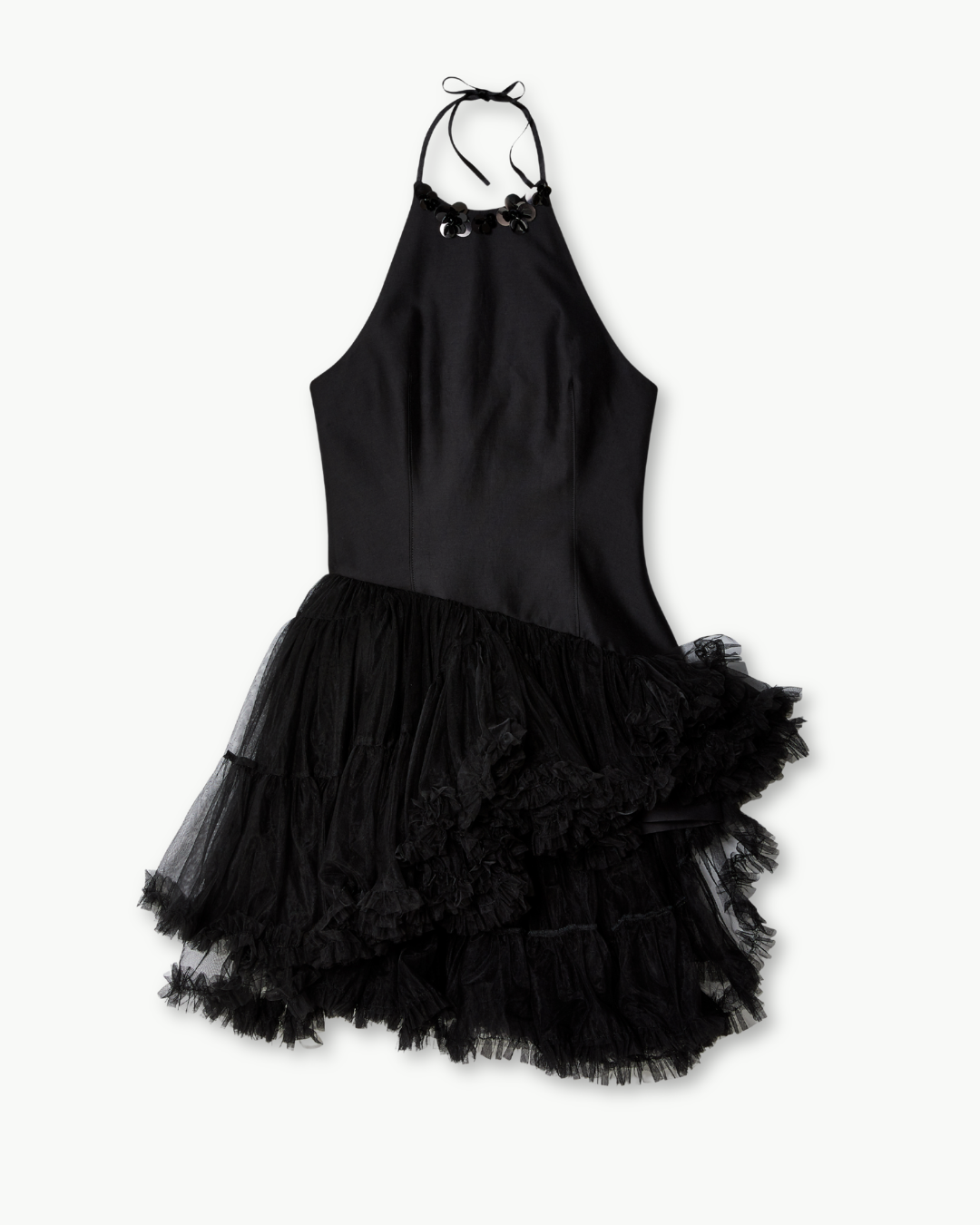
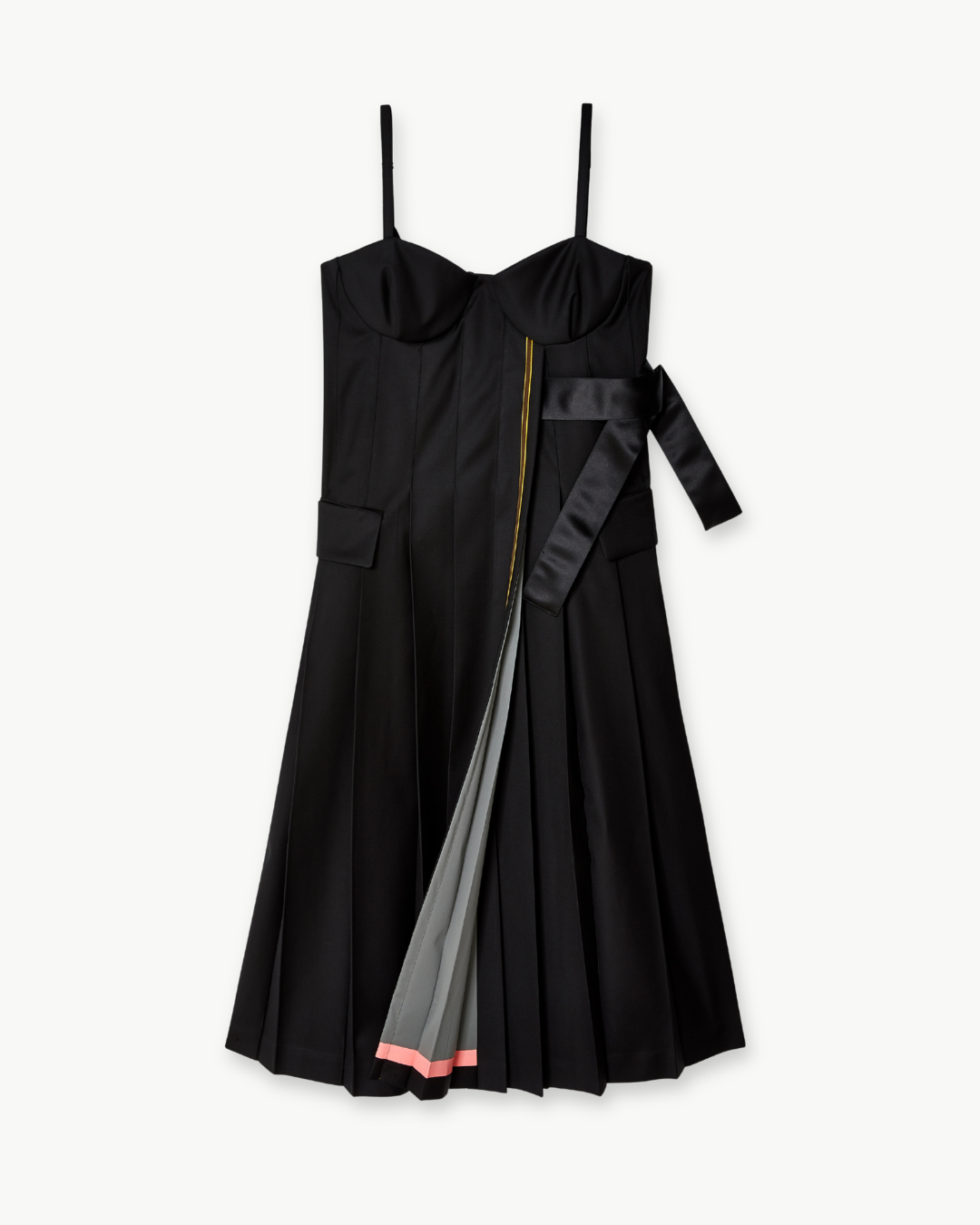
Another mistake is inconsistent styling. If your brand sells structured blazers and flowy dresses, both need professional styling, but the approach differs dramatically. Blazers need to show structure and sharp lines. Dresses need to show drape and movement. Using the same styling approach for everything creates mediocre results.
Skimping on angles is costly. When customers can't see the back of a garment or don't get detail shots of interesting design elements, they hesitate to buy. Those detail shots drive conversions even though they take extra time to capture. Trying to shoot too fast leads to quality degradation. Professional studios maintain consistent quality because they don't rush. They have systems, backup staff, and experience that comes from shooting thousands of garments. Rushing to save time creates problems that cost more to fix later.
The Professional Studio Advantage
When fashion brands work with a studio that specializes in flat-lay apparel photography, they get more than just photos. They get systems designed for consistency and scale. At our Brooklyn studio, we've photographed tens of thousands of garments using flat-lay and pin-up techniques.
When White & Warren ships us their cashmere collection, we know exactly how to style it to show the softness and quality that justifies their pricing. When Dover Street Market needs 300+ pieces shot quickly, we have the capacity and workflows to deliver without compromising quality. The difference shows in the final images. Product 300 looks as good as product one. The lighting remains consistent. The styling maintains the same standard. The editing follows the same quality benchmarks. This consistency matters because your product pages represent your brand. Inconsistent photography makes your brand look unprofessional even if your products are excellent.
A critical part of our studio advantage is working with professional stylists who bring fashion industry experience to every shoot. These aren't amateur photographers trying to arrange clothing. They're trained professionals who understand garment construction, fabric behavior, and how different materials photograph. This stylist expertise is a key differentiator when brands compare professional studios to in-house photography attempts. An amateur photographer might get the technical camera work right but miss the styling nuances that make apparel photography convert.
Getting Started With Professional Flat-Lay
If you're ready to move from DIY flat-lay to professional results, here's what to look for in a photography partner:
Ask how many apparel pieces they photograph per week. Studios specializing in flat-lay should have clear capacity numbers. We shoot 200-500 products per week regularly. That's not a guess. That's our standard operation. Look for portfolio examples showing complete collections, not just cherry-picked hero shots. You want to see consistency across dozens of similar products.
Ask about their styling process. Professional studios should have detailed answers about garment preparation, arrangement techniques, and how they maintain consistency.
Understand their turnaround time for your quantity. For 50-100 products, one week from receiving samples to delivering finished images is reasonable for a high-volume studio.
Check their revision policy. Professional studios typically include one to two revision rounds. If they charge for every small adjustment, that's a red flag.
The bottom line on flat-lay apparel photography is this, it's not just a cost-saving alternative to on-model photography. It's a strategic choice that works because it solves specific problems fashion brands face when selling online. Speed, cost efficiency, product focus, and consistency make flat-lay the foundation of successful eCommerce fashion. Whether you're launching 50 pieces or 500, professional flat-lay photography gives customers the clarity they need to make buying decisions. And when done right, it drives conversions while staying within budget.
Ready to see what professional flat-lay photography can do for your fashion brand? Let's discuss your upcoming collection and show you exactly how we handle high-volume apparel shoots with zero drama and maximum quality.