
Why Luxury Fashion Brands Pay Premium Prices for Product Photography
When Dover Street Market needs product photography, they don't browse Fiverr for $10 per image services. When established luxury brands launch collections, they don't hire the cheapest photographer they can find. There's a reason high-end fashion brands consistently pay premium prices for product photography—and it's not because they have money to waste.
After seven years working with luxury and contemporary fashion clients in our Brooklyn studio, we've seen firsthand what premium product photography delivers that budget services simply can't. Let's break down why luxury brands invest seriously in photography—and when that investment makes sense for your brand.
It's Not About the Equipment (Though That Matters Too)
Here's what brands get wrong: they think premium photography pricing is because studios have fancy cameras. Sure, professional equipment matters—but that's table stakes, not the differentiator.
A $50,000 camera doesn't automatically produce luxury-level images. We've seen amateur photographers with professional equipment produce mediocre results, and we've seen skilled professionals create stunning images with modest gear. Here is what luxury brands are actually paying for.
Expertise in Luxury Aesthetics:
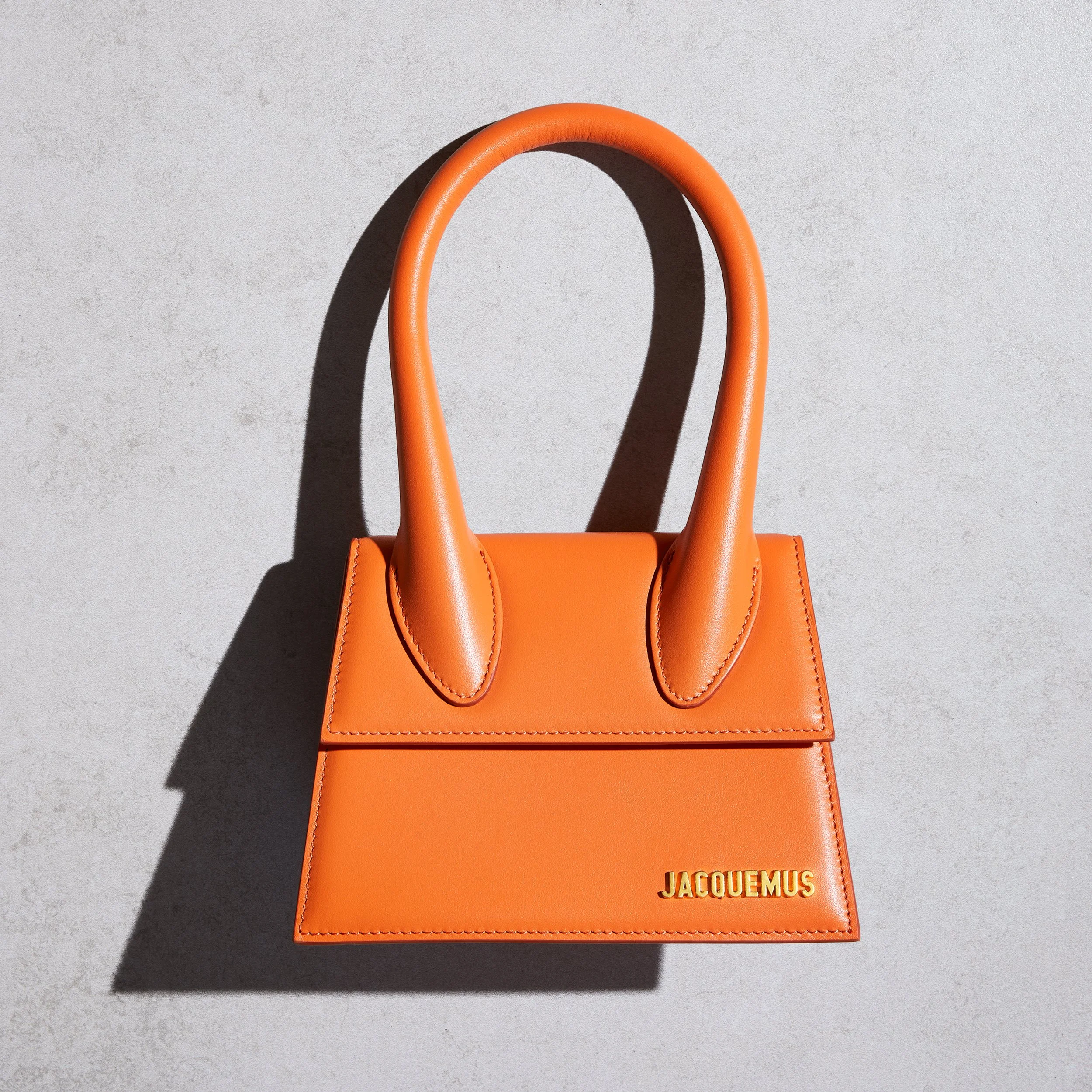
Photographing a $5,000 handbag isn't the same as photographing a $50 handbag. The lighting, styling, and presentation need to communicate luxury, craftsmanship, and exclusivity. This understanding comes from experience working with high-end products and brands.
Attention to Microscopic Details:
Budget photography services rush through products. Premium photography obsesses over every detail: Is that leather texture showing properly? Is the hardware catching light correctly? Are the stitches visible and perfect? Is the grain of the fabric clear? For luxury products, these details aren't nice-to-haves—they're the entire selling proposition.
Color Accuracy and Consistency:
When you're selling a $800 cashmere sweater in 12 colorways, each shade needs to be represented perfectly accurately. Customers paying luxury prices expect the product to match the photos exactly. Premium beauty photography and luxury accessories photography require color management systems and calibrated workflows that budget services skip.
Understanding Material Quality:
How do you photograph cashmere so the softness is visible? How do you capture leather so the quality is apparent? How do you show silk so its luxurious drape is obvious?
These material-specific techniques take years to master. When we photograph for White & Warren's cashmere line, we're not just shooting sweaters—we're capturing the tactile luxury that justifies the price point.
The First Impression Problem: Perception Drives Price
Luxury brands understand something fundamental: customers judge product quality primarily through images.
When someone's deciding between a $200 bag and a $2,000 bag, the photography signals which category each belongs to. Amateur or mediocre photography makes even luxury products look cheap.
The Perception Hierarchy
Budget photography signals:
- Mass-market product
- Lower quality construction
- Generic manufacturing
- Price-conscious brand
Premium photography signals:
- High-quality materials
- Superior craftsmanship
- Attention to detail
- Luxury positioning
This perception directly impacts:
- Price resistance: Customers balk less at luxury prices when photography matches the positioning
- Return rates: When photos accurately represent luxury quality, returns drop
- Brand equity: Every image either builds or erodes your luxury brand positioning
What Premium Photography Actually Delivers
Let's get specific about what differentiates $200 per look luxury photography from $30 per look budget services:
Styling and Product Preparation
Budget approach:
- Products shot as-received, minimal prep
- Basic arrangement on white background
- Fast turnaround means no time for perfection
Premium approach:
- Extensive product prep (steaming, cleaning, positioning)
- Custom styling for each piece based on material and design
- Multiple arrangement attempts until perfect
- Props and styling elements that enhance luxury perception
When we photograph luxury apparel, every fabric fold is deliberate. Every sleeve is positioned symmetrically. Every garment is steamed to perfection. This prep work takes significant time—time budget services don't allocate.
Lighting Complexity
Budget approach:
- Standard lighting setup used for all products
- Flat, even lighting (efficient but generic)
- Basic two-light or three-light setup
Premium approach:
- Custom lighting for each product type and material
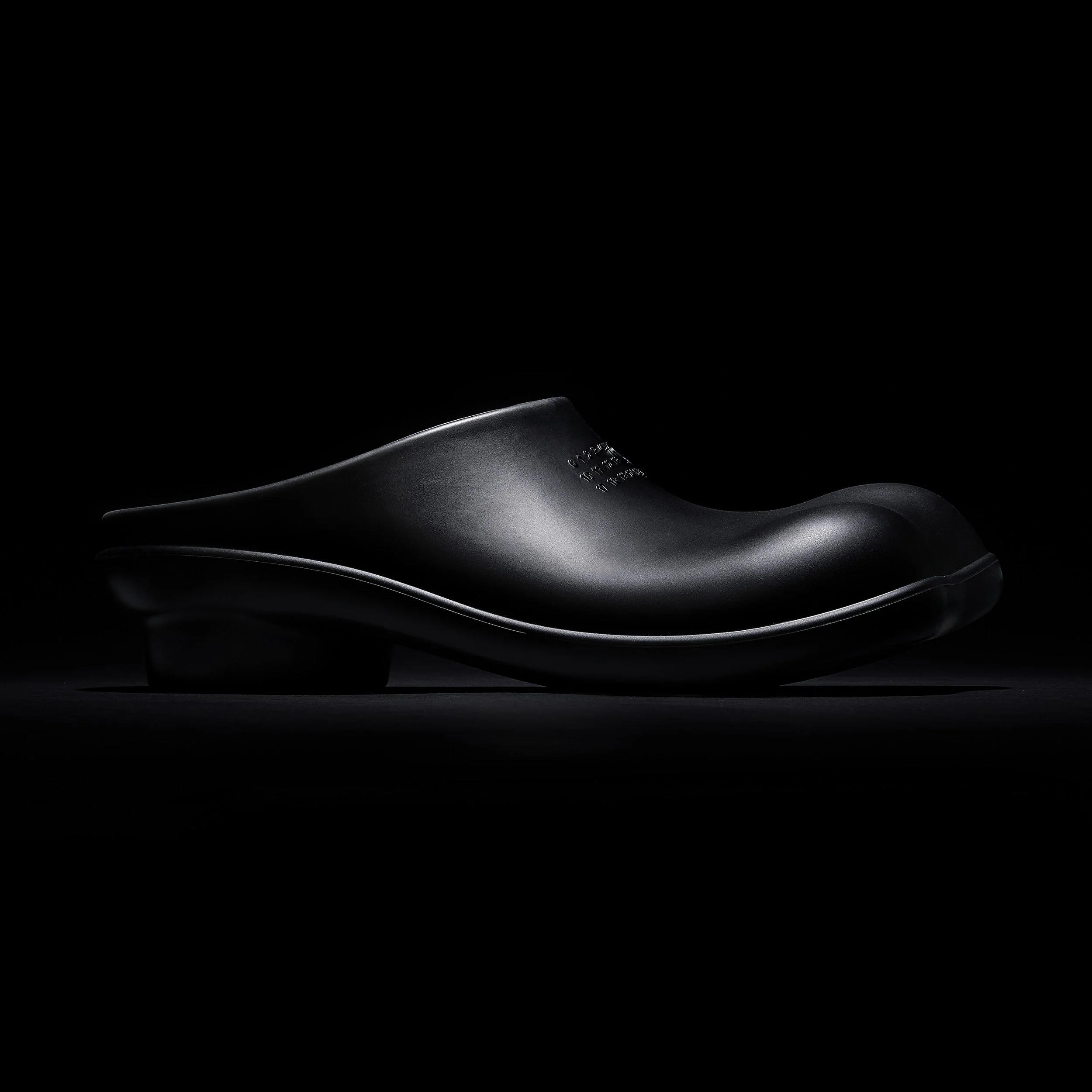
- Specialized techniques for difficult materials (metallics, reflective surfaces, transparent items)
- Light shaping to emphasize texture, dimension, and quality
- Multiple lighting setups within a single shoot
Luxury products demand lighting that shows their premium nature. A leather handbag needs lighting that reveals texture. A silk dress needs lighting that shows drape and movement. Metal jewelry needs lighting that captures sparkle without glare.
Detail and Macro Photography
Budget approach:
- Standard product shots only
- Limited closeup capabilities
- Detail shots might be available for extra fees
Premium approach:
- Extensive macro detail shots showing:
- Stitching precision and pattern
- Hardware quality and finish
- Leather or fabric grain and texture
- Construction techniques
- Brand details and logos
For luxury products, these detail shots aren't optional—they're proof of quality. Customers paying premium prices expect to zoom in and examine craftsmanship.
Retouching Standards
Budget approach:
- Basic retouching (background removal, basic cleanup)
- Batch processing with templates
- Limited revision rounds
- Accepts "good enough"
Premium approach:
- Detailed, individual attention to each image
- Careful retouching that maintains natural texture while removing imperfections
- Multiple review and revision rounds
- Nothing ships until it's perfect
The difference shows in the final product. Budget retouching often makes products look fake or over-processed. Premium retouching enhances without being noticeable.
The Hidden Costs of Inadequate Luxury Photography
Luxury brands pay premium prices because they've calculated the cost of inadequate photography.
Price Erosion:
When $2,000 handbags have mediocre photography, customers mentally recategorize them as $500 products. The photos don't support the premium positioning, so customers doubt the value.
Luxury brands lose pricing power when photography doesn't match their market position. If your photos look like budget brand photos, customers expect budget brand prices.
Return Rate Disasters:
Luxury products have complex details that need accurate representation. When photography fails to show:
- True color (especially for fashion and beauty)
- Actual size and proportion
- Material texture and quality
- Construction details
Returns skyrocket. And processing returns on $2,000+ items is expensive—both in direct costs and in customer lifetime value damage.
Brand Perception Dilution:
Every mediocre product photo erodes your luxury brand positioning. Customers start thinking:
- "If they cut corners on photography, where else are they cutting corners?"
- "This doesn't look as nice as [competitor] who has beautiful photography"
- "Maybe this brand isn't actually luxury-tier?"
Once brand perception drops, rebuilding it is exponentially more expensive than investing in proper photography from the start.
When Premium Photography Investment Makes Sense
Not every brand needs luxury-level photography—but knowing when you do is critical. Here is when you should invest in premium photography.
Your price points are premium:
Products over $500 for apparel, $200+ for accessories, $100+ for beauty—these price points demand photography that supports the positioning.
Your target market expects luxury:
If you're competing in luxury or contemporary categories, your photography needs to match what customers see from established luxury brands. Anything less looks like you don't belong.
Product quality is your differentiator:
If your competitive advantage is superior materials, construction, or design, your photography needs to make that visible.
You're building long-term brand equity:
If you're playing the long game—building a brand that will last decades—photography is a brand-building asset. Premium photography today pays dividends for years.
Your margins support the investment:
Luxury pricing includes room for premium photography costs. If you're spending 2-3% of revenue on photography that drives 20-40% higher conversions, the ROI is obvious.
What About Mid-Market Brands?
Fair question: what if you're not Dover Street Market? What if you're a contemporary brand with $100-500 price points?
The Middle Ground:
You probably don't need the absolute top tier of luxury photography, but you definitely need more than budget services.
Look for studios that offer tiered pricing:
Professional quality at mid-range prices. Not $10/image services, but not $200/image either. The $30-50/image range often delivers the quality you need.
Specialize in your category:
Studios focused on contemporary fashion, beauty, or accessories understand the quality standards you need.
Provide adequate detail:
Multiple angles, detail shots, and proper product prep—not just basic one-angle shooting.
Maintain consistency at scale:
If you're launching 50-100 pieces per season, the studio needs proven volume capability.
This is exactly where our studio sits—premium quality without luxury-tier pricing. We work with both established luxury brands and emerging contemporary brands, adjusting our services to match their needs and budgets.
The Questions Luxury Brands Ask Before Hiring
"Can you show me examples of products at similar price points?"
Luxury brands want to see proof you've handled similarly positioned products successfully.
"What's your process for maintaining quality control?"
They want to hear about review stages, quality benchmarks, and how you ensure consistency.
"How do you handle rush timelines without compromising quality?"
Sometimes fashion moves fast. Luxury brands need studios that can move quickly while maintaining standards.
"Can you work with our creative direction and brand guidelines?"
Luxury brands often have specific visual standards. Studios need to execute the brand's vision, not impose their own style.
"What happens if we need reshoots or revisions?"
Revision policy matters. Luxury brands expect flexibility and partnership, not "You get one shot and that's it."
The Bottom Line: You Get What You Pay For
Luxury fashion brands pay premium prices for product photography because they've done the math. The investment in professional, luxury-level photography:
- Supports premium pricing
- Reduces return rates
- Builds brand equity
- Drives higher conversions
- Creates long-term assets
The brands succeeding at the luxury level understand: photography isn't an expense to minimize—it's a revenue driver to optimize.
If your products are priced at luxury or contemporary levels, your photography needs to match. Anything less undermines everything else you've invested in product quality, brand building, and market positioning.
Ready to see what premium product photography can do for your luxury or contemporary brand? Review our case studies or let's discuss what level of investment makes sense for your specific market position. Because after seven years working with luxury and contemporary fashion brands, we know exactly what it takes to make premium products look premium.