
Apparel Photography Styles Compared: Why Pin-Up Beats Flat-Lay (And When On-Model Is Worth It)
When you're building an eCommerce fashion store, the photography style you choose isn't just an aesthetic decision. It affects how your clothing looks, what customers think of your brand, and whether they hit "add to cart" or keep scrolling. After photographing thousands of apparel pieces over seven years at our Brooklyn studio, we've learned something important: not all photography styles are created equal. Let's break down the real differences between flat-lay, pin-up, ghost mannequin, and on-model photography so you can make the right choice for your brand.
The Distinction Most Brands Miss: Flat-Lay vs. Pin-Up
Here's what most brands don't understand: flat-lay and pin-up photography look similar in the final image, but the process and results are completely different.
Flat-lay means exactly what it sounds like. The garment gets laid flat on a surface and photographed from above. No professional stylist needed. (But at Razor, we always work with an apparel stylist, no matter what type of styling.) Anyone can spread a shirt on a table and shoot it from overhead. This is why flat-lay is the commodity option most photography studios offer. It's fast, it's cheap, and it requires minimal expertise. The problem? Your clothing looks flat. Lifeless. No movement, no flow, no dimension. Customers see a garment that could be folded in a drawer, not clothing that moves and drapes the way it would when worn.
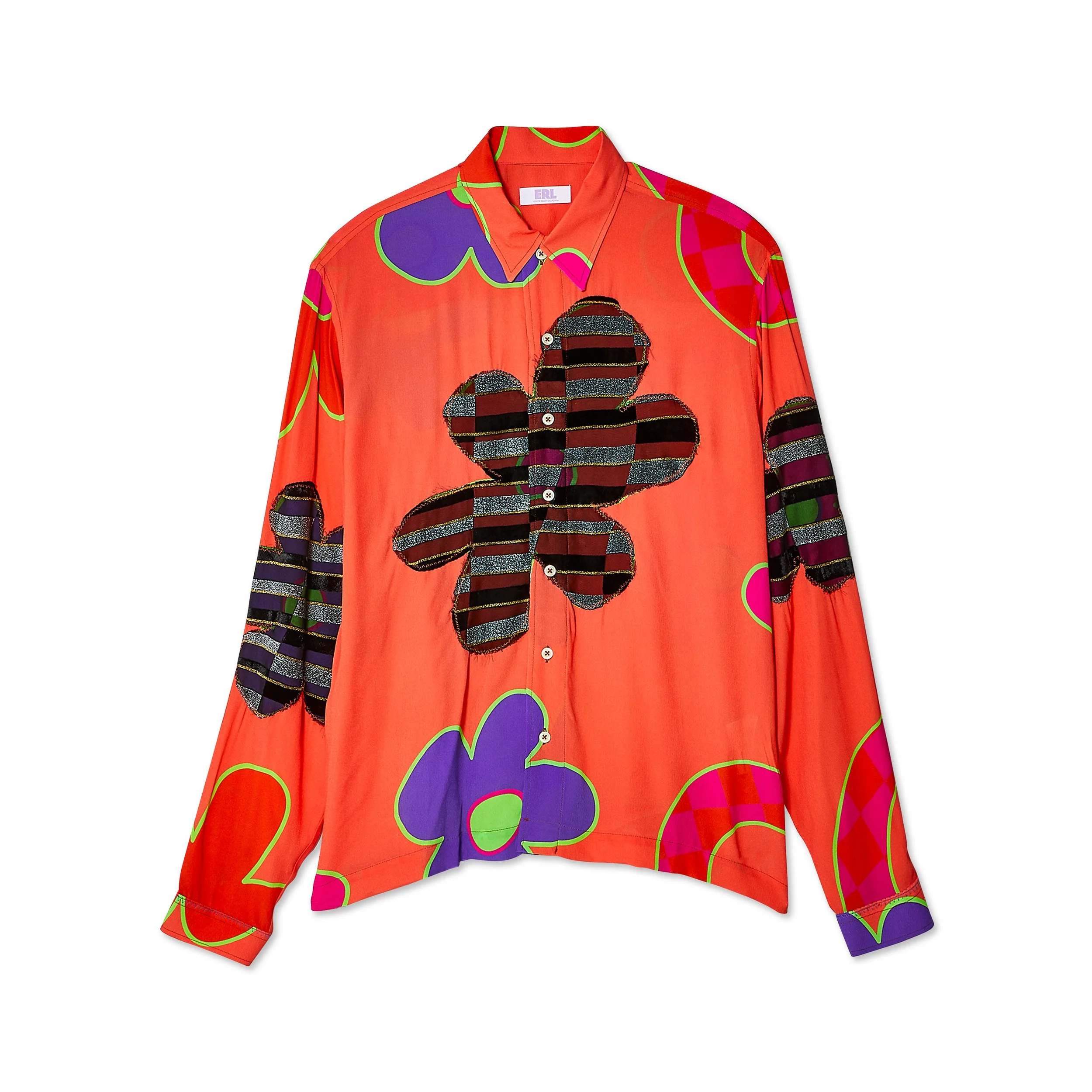
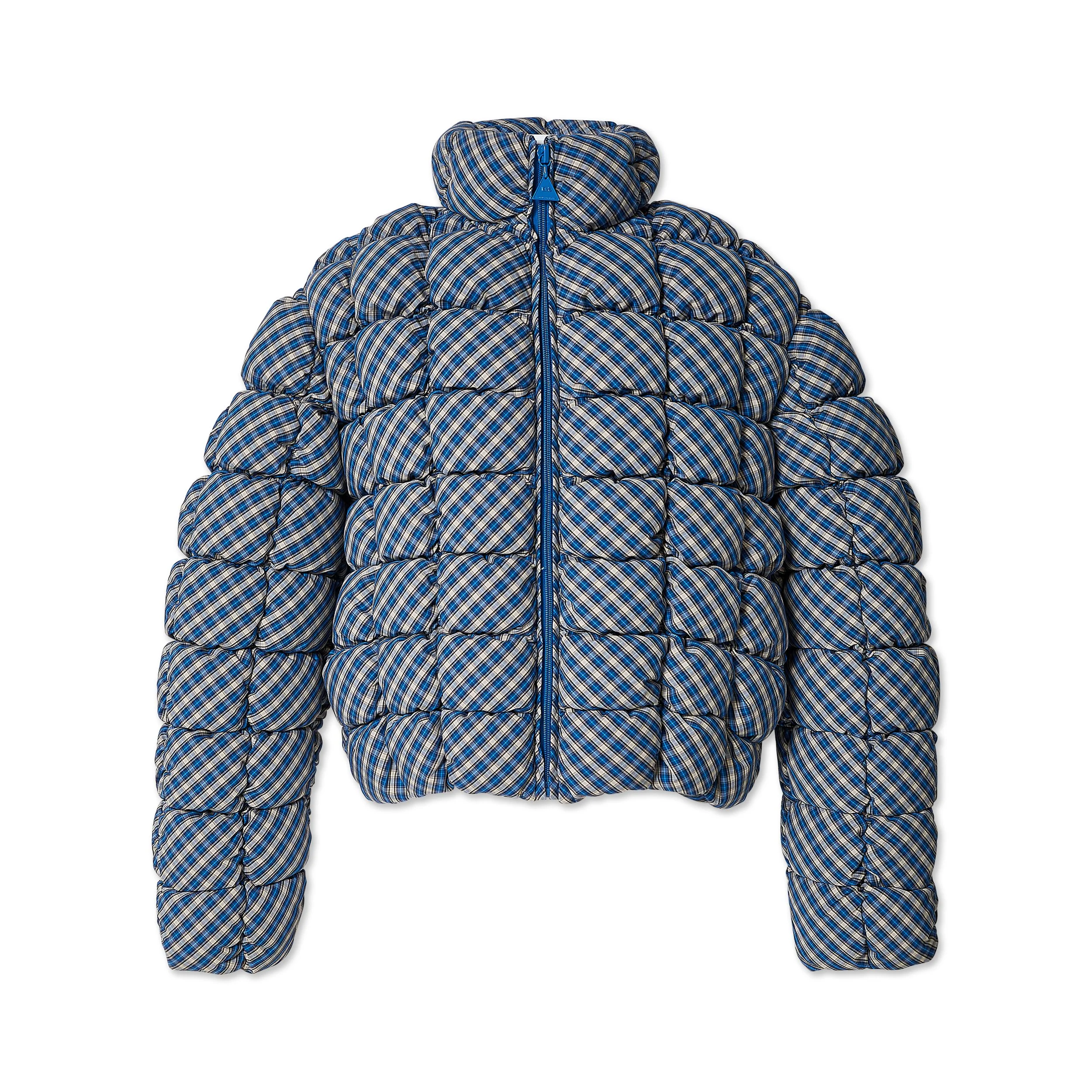
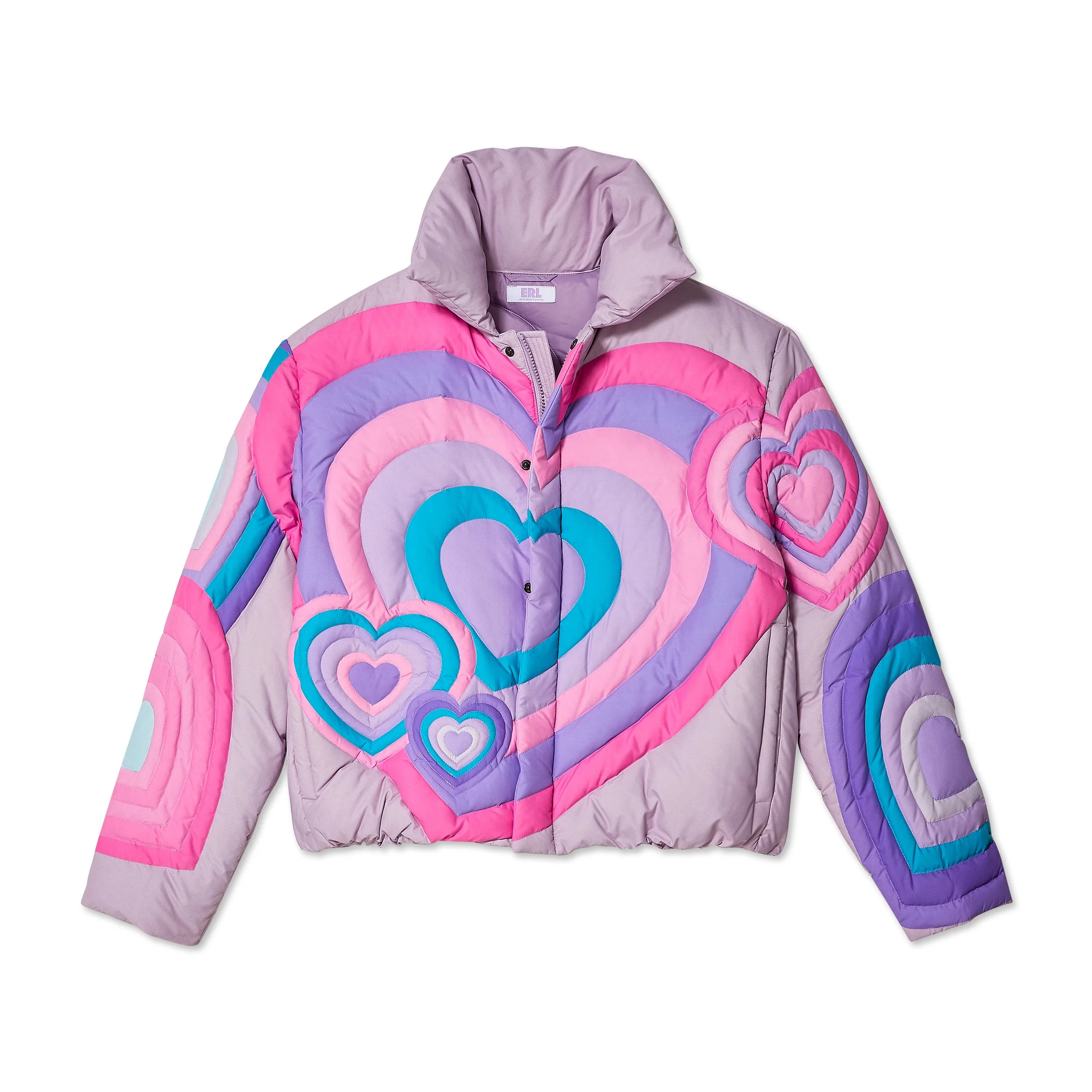
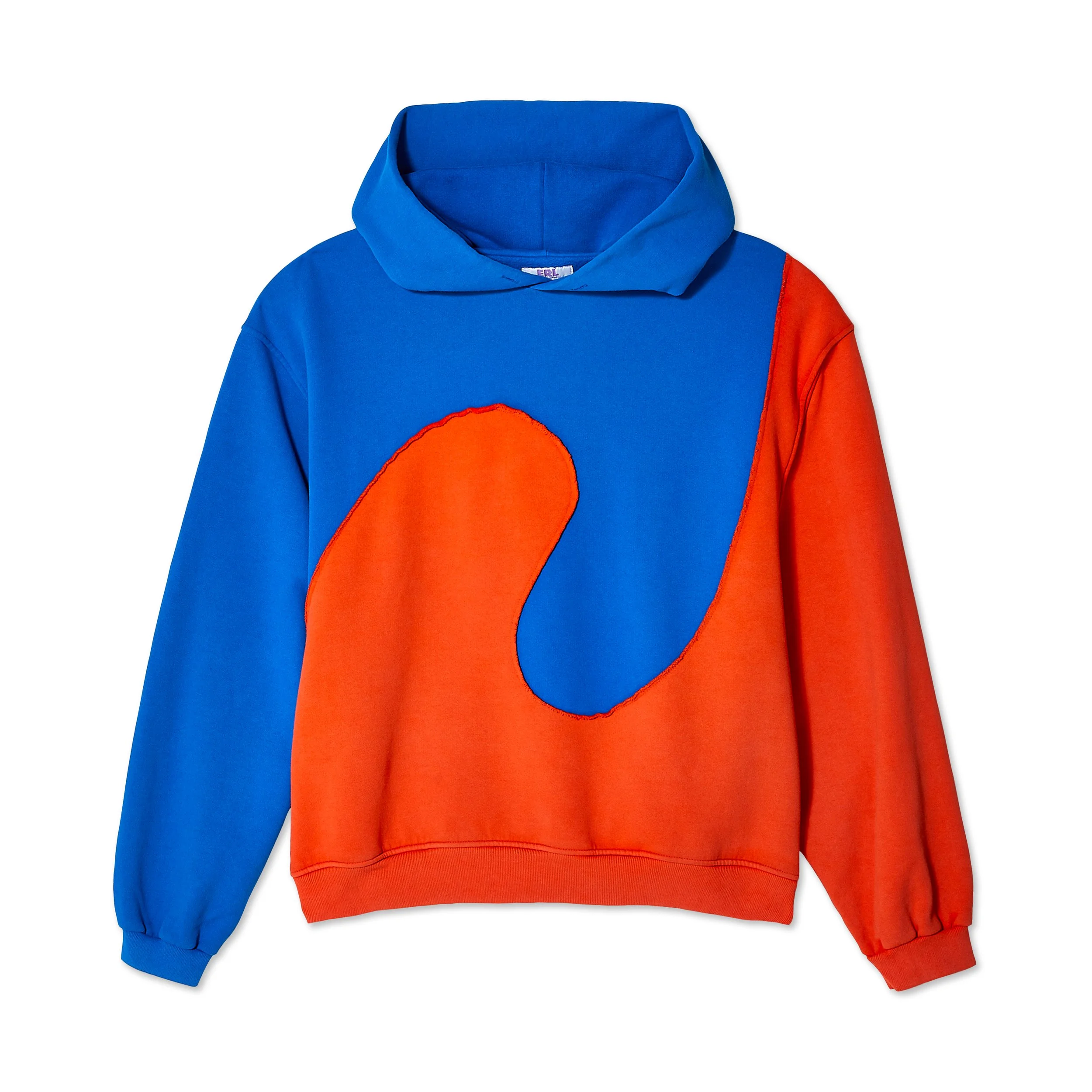
Pin-up photography changes everything. We hang garments to show natural movement and flow as the designer intended. A professional stylist arranges every piece to create dimension and showcase how the fabric actually behaves. Sleeves have shape. Hems show drape. The garment looks like clothing, not a flat object on a table. The difference between flat-lay and pin-up in the final image is the difference between lifeless and elevated. Between commodity and premium. Between "this looks like every other site" and "this looks worth buying."
At our Brooklyn studio, we recommend pin-up with professional styling for $55 per image because the $5 difference over basic flat-lay is dramatic. That said, if your brand specifically wants basic flat-lay to match existing catalog imagery, we offer that too at $50 per image. But we're always going to recommend pin-up because your apparel deserves to look its best.

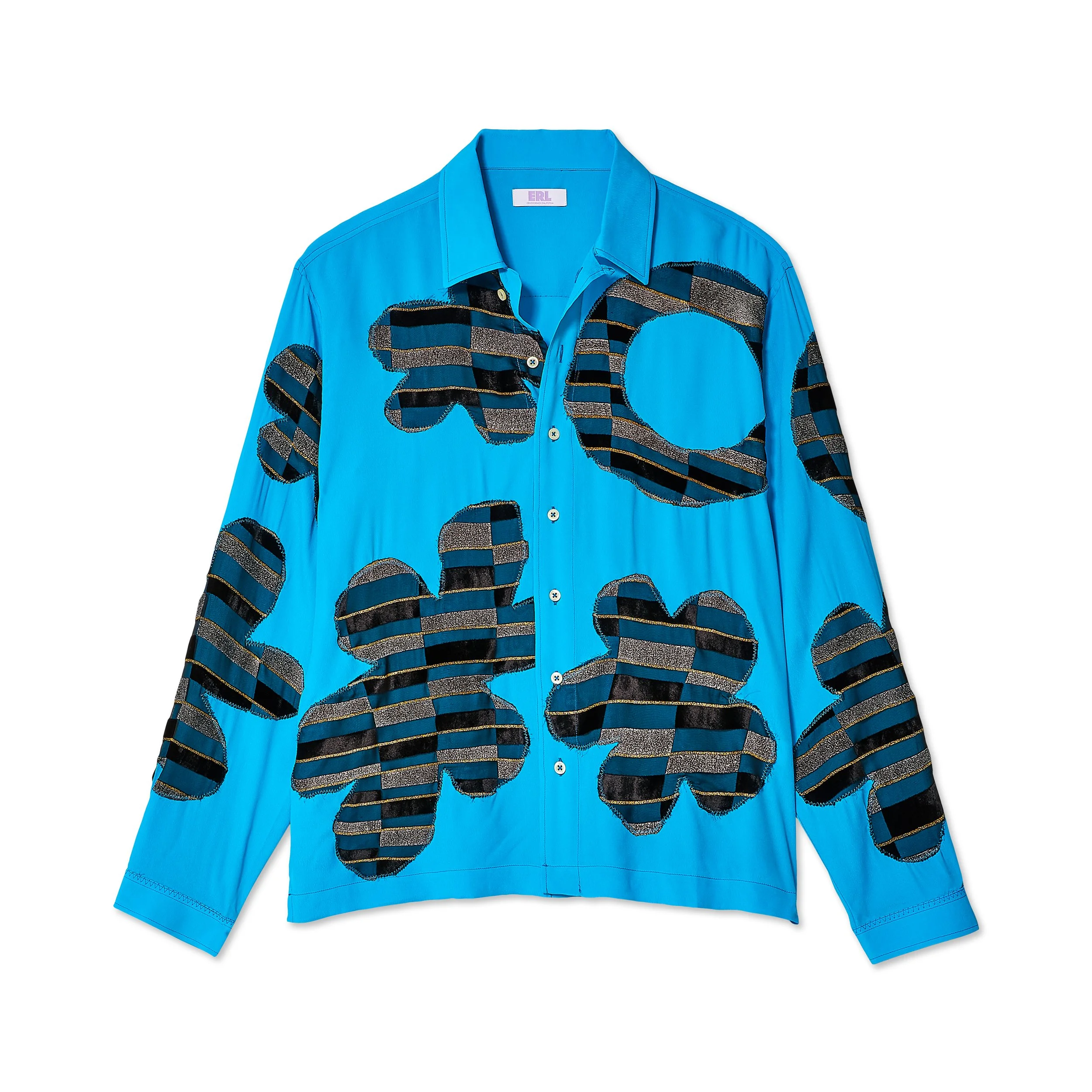
Why Pin-Up Is Our Standard Approach
Speed and efficiency make pin-up nearly as fast as flat-lay. With an experienced stylist, we can photograph 50-75 garments per day with pin-ups. The workflow is efficient because our team has styled thousands of pieces.
Cost-effectiveness keeps pin-up accessible. At $55 per image, you're getting professional styling and elevated results for just $5 more than commodity flat-lay. For brands launching 100+ pieces per season, pin-up makes professional photography financially feasible while maintaining visual quality that flat-lay can't match.
Product focus with dimension means customers see the garment itself without distraction, but with the movement and flow that makes clothing look premium. The fabric, construction, and design are all front and center with the added benefit of dimensional presentation.
Consistency across catalogs creates a cohesive brand presentation. Every piece gets the same professional styling treatment with identical lighting and backgrounds. Your site looks polished and trustworthy.
When pin-up works best: Any apparel brand that wants to look premium rather than commodity. Large catalogs where you need volume but refuse to sacrifice quality. Brands competing in markets where visual sophistication matters. Seasonal collections where showing fabric flow and movement help customers understand the product.
Pin-up limitations: It costs slightly more than basic flat-lay. It requires working with a studio that employs professional stylists (not all do). It doesn't show fit on a body, which matters for certain garments where customers need to understand proportions.

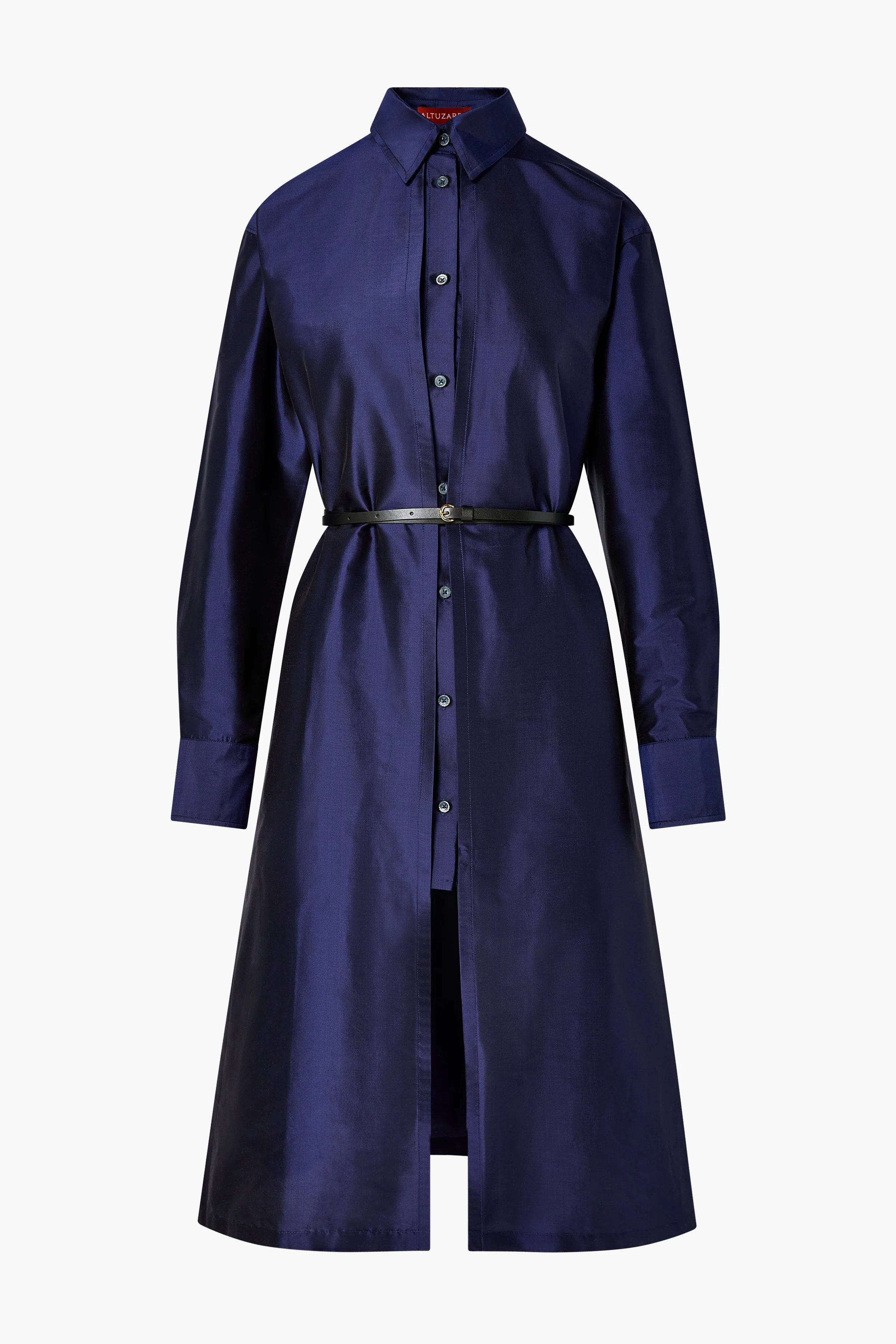
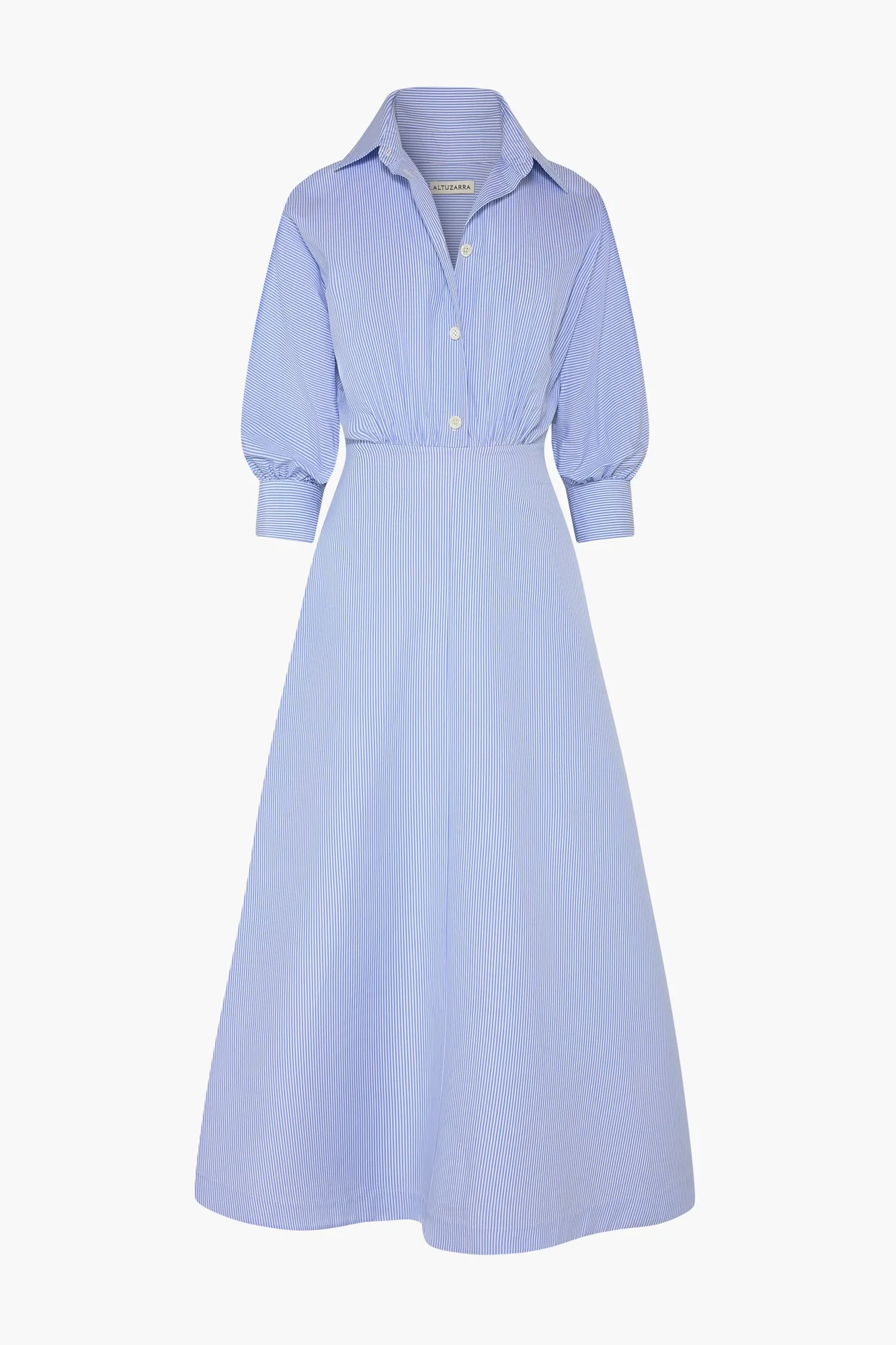
Ghost Mannequin Photography: The Amazon Aesthetic
Ghost mannequin photography, also called invisible mannequin photography, involves dressing a garment on a mannequin, photographing it from multiple angles, and removing the mannequin in post-production to create a three-dimensional image that looks like an invisible person is wearing the clothing.
The three-dimensional shape representation shows how clothing looks when worn. Unlike flat-lay, which makes garments look flat, ghost mannequin shows volume, structure, and silhouette. This matters for structured pieces like button-up shirts, blazers, and tailored garments.
The corporate aesthetic is the primary consideration here. Ghost mannequin creates that sterile Amazon catalog look. It's professional, it's clean, it's technically correct. But it's also completely devoid of personality or brand identity. If you're a corporate brand selling business attire through wholesale channels, ghost mannequin might work. If you're building a fashion brand with any aspirational positioning, ghost mannequin signals "generic online retailer" not "brand worth following."
Cost and timeline considerations: Ghost mannequin costs $65 per image, more than pin-up and flat-lay. Setup time is longer because each garment needs to be properly dressed on the mannequin. Shooting takes longer because we often take two or more images per garment to get the final effect. Post-production is intensive because removing the mannequin requires skilled editing.
When ghost mannequin works: Corporate apparel brands, wholesale-focused businesses, brands where consistency and technical precision matter more than brand-building, structured garments where showing three-dimensional form is critical, and pin-up won't work.
Ghost mannequin limitations: It creates an Amazon aesthetic that works against brand-building. The sterile look signals mass-market rather than aspirational. Higher cost than pin-up without the brand-building benefit.
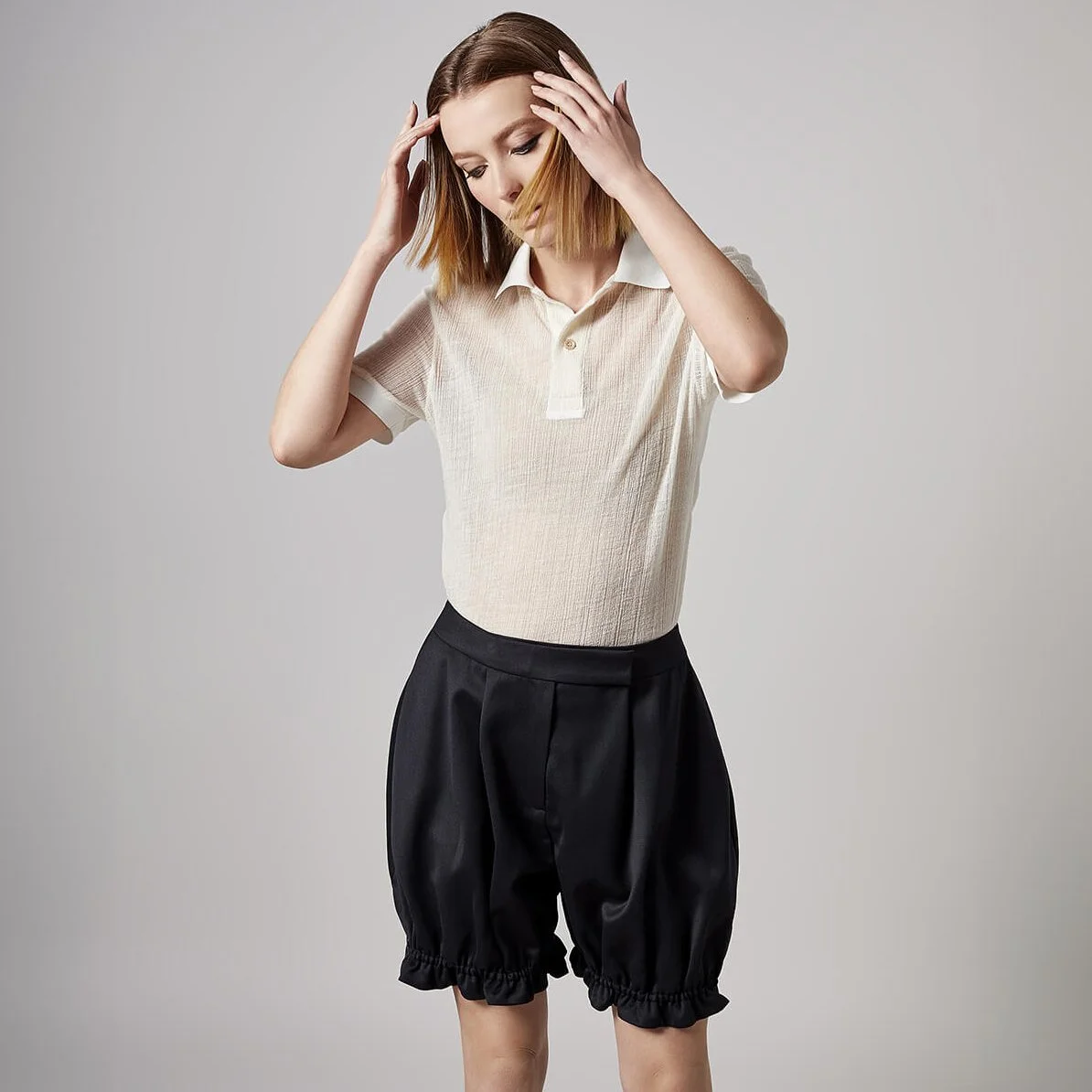

On-Model Photography: The Premium Tier
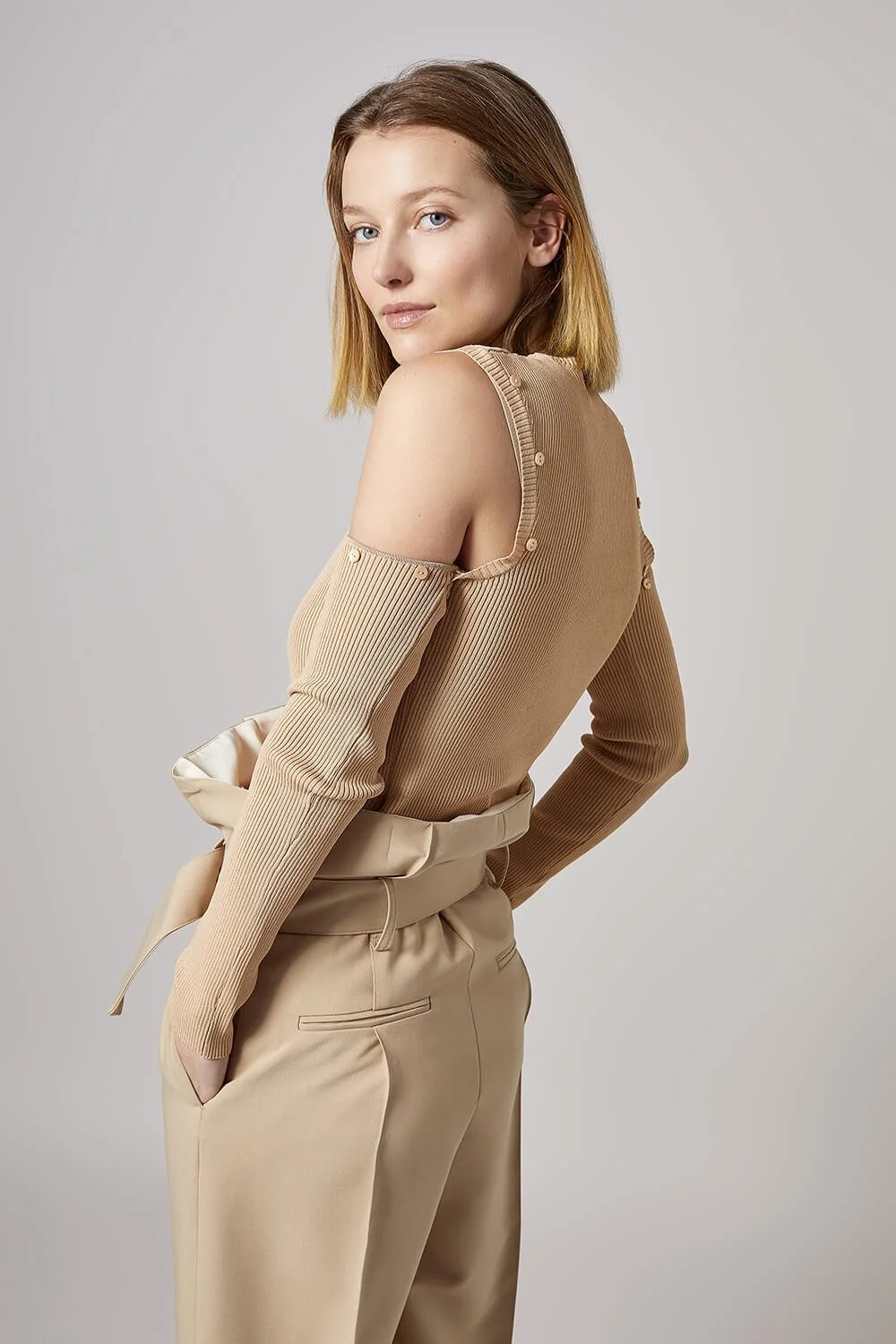
On-model photography shows clothing worn by real people, creating the most realistic representation and emotional connection. Models wear the clothing while professional photographers capture multiple poses and angles. Hair, makeup, and styling create complete looks that showcase the brand aesthetic.
Emotional connection and aspiration are the primary benefits. Customers don't just see clothing, they see themselves in those clothes. This emotional resonance drives purchase decisions for fashion brands. When someone can visualize wearing that dress to a wedding or that jacket to work, conversion rates climb.
Fit and proportion clarity answer critical questions immediately. How does that dress hit the knee? How do those sleeves fit? Is that top cropped or full-length? On-model photography eliminates guesswork and reduces returns driven by fit surprises.
Lifestyle and brand storytelling become possible. You can shoot in locations, create moods, and communicate your brand personality. The model, styling, and setting all contribute to brand identity. This is where fashion brands separate themselves from commodity retailers.
Social media performance is typically stronger with on-model content. Instagram, TikTok, and Pinterest favor human-centered content. On-model shots generate better engagement than pure product shots.
When on-model works best: Lifestyle brands building emotional connection with customers. Fashion-forward brands where aspiration matters. Small curated collections where the budget supports premium photography. Brand-building campaigns and social media content. Hero pieces or key items in larger collections. Situations where showing fit is critical for reducing returns.
On-model investment: At $150 per image for up to 35 images, on-model is the premium tier. Model fees, hair and makeup, styling, and potentially location fees make this the highest-cost option. For a 100-piece collection, on-model photography would cost $15,000 compared to $5,500 for pin-up. This makes on-model impractical for large catalogs but strategically valuable for key pieces.
The Smart Combination Approach
The most successful fashion brands don't choose one style exclusively. They combine styles strategically based on goals and budget.
A typical product page might include: A primary image that uses pin-up for an elevated, dimensional product view. Images 2-4 show additional pin-up angles (back view, detail shots, styled variations). Images 5-6 might use on-model to show fit and lifestyle context. Images 7-8 show detail close-ups of texture, hardware, and construction.
This combination gives customers everything: The elevated product presentation of pin-up plus the emotional connection and fit information of on-model.
For large collections, a smart approach is: Pin-up with professional styling for the entire catalog (cost-effective, elevated results). On-model for 10-20 key pieces (hero products and complex garments where fit matters most). This balances budget constraints with strategic brand-building.
Social media strategy might be: 70% on-model content for Instagram and TikTok (emotional connection, engagement). 30% pin-up content for product announcements and sales (clear, elevated product shots).
Comparing the Styles Side by Side
Speed ranking (fastest to slowest):
1. Basic flat-lay: 60-100 pieces per day (but looks flat and lifeless)
2. Pin-up with styling: 50-80 pieces per day (elevated results)
3. Ghost mannequin: 30-50 pieces per day (Amazon aesthetic)
4. On-model: 10-15 looks per day (premium tier)
Cost ranking (per image):
1. Basic flat-lay: $50 (commodity option)
2. Pin-up with professional styling: $55 (recommended standard)
3. Ghost mannequin: $65 (corporate aesthetic)
4. On-model: $150 per image or $7,000/day for up to 35 images (premium tier)
Visual impact ranking (best to least impressive):
1. On-model: Creates emotional connection and lifestyle context
2. Pin-up: Shows dimension, movement, and elevated presentation
3. Ghost mannequin: Clean but sterile Amazon aesthetic
4. Basic flat-lay: Flat, lifeless, commodity look
Fit information ranking (most to least):
1. On-model: Shows actual fit on human form
2. Ghost mannequin: Shows three-dimensional structure
3. Pin-up: Shows drape and flow but not fit
4. Basic flat-lay: Shows garment only, no fit or dimension
Technical Quality Standards Across Styles
Regardless of style, professional photography maintains certain standards:
Lighting consistency ensures every image has the same quality of light.
Color accuracy matters across all styles. Your blue dress needs to look the same blue whether shot as pin-up, ghost mannequin, or on-model.
Background work should be equally clean with pure white or consistently colored backgrounds.
Detail visibility should be comparable. Whether pin-up or on-model, customers should be able to zoom in and see fabric texture and construction quality.
Common Mistakes Brands Make
Choosing flat-lay to save $5 per image while spending thousands on the collection. The cost difference between flat-lay and pin-up is minimal, but the visual impact difference is massive. Saving $500 on a 100-piece shoot means your entire catalog looks commodity instead of premium.
Mixing styles inconsistently without a strategy creates a confusing brand presentation. If some products are pin-up and others are ghost mannequin with no clear reason, your site looks unprofessional.
Underestimating the aesthetic impact of ghost mannequin. Yes, it shows three-dimensional form, but the Amazon aesthetic might undermine all your other brand-building efforts.
Avoiding on-model entirely for budget reasons when strategic use of this style on hero pieces could dramatically improve conversion rates and brand perception.
Getting Professional Help with Style Selection
When working with a photography studio, they should guide you on style selection based on the following:
Your product types and what works best for those categories. Your budget and how to maximize value within that constraint. Your brand positioning and what aligns with your market position. Your catalog size and what makes financial sense at your scale. Your aesthetic goals and whether you're building a premium brand or competing on price.
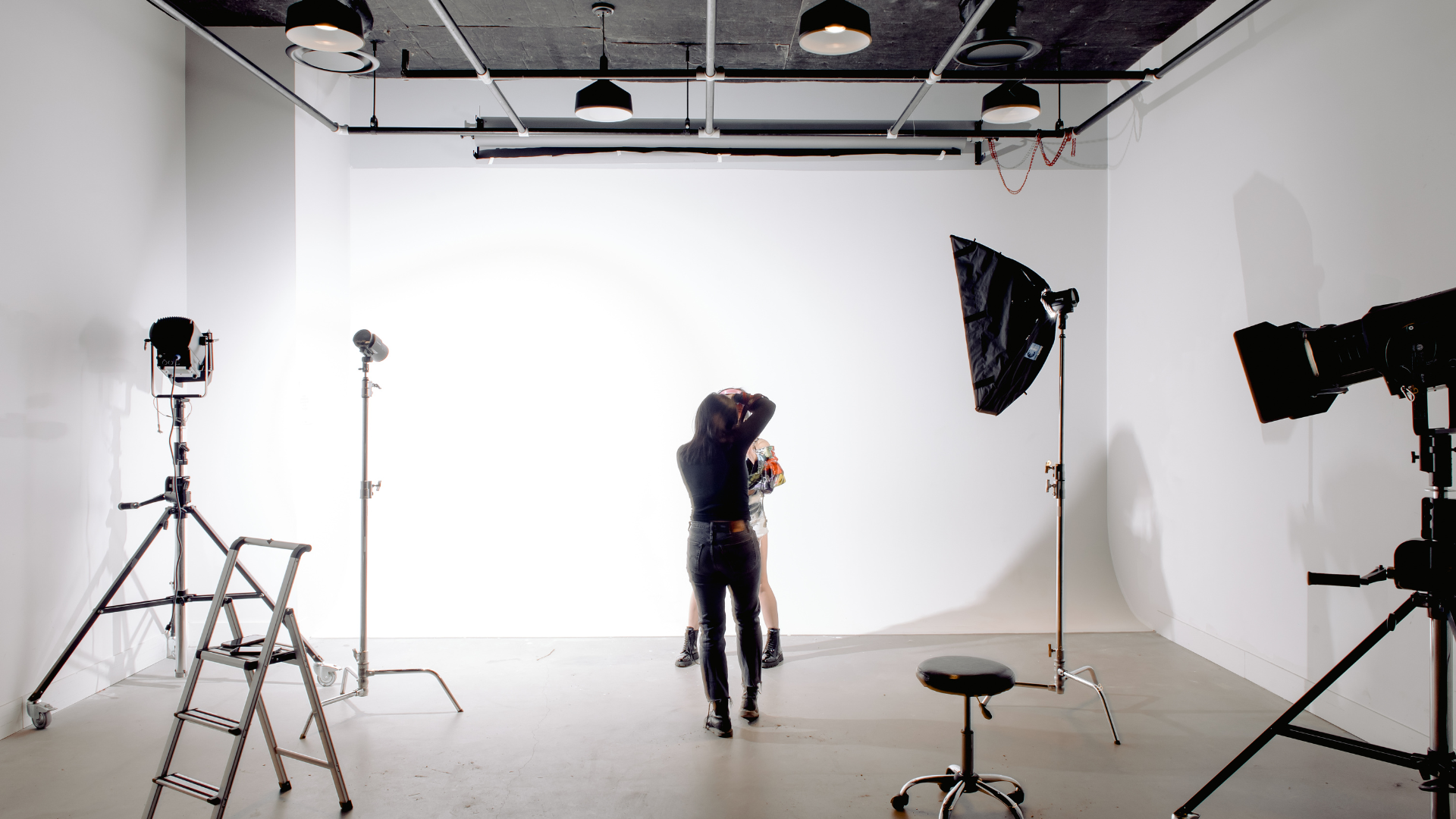
At our Brooklyn studio serving NYC fashion brands, we shoot all styles, but always recommend pin-up with professional styling as our standard approach. We handle 200-500 products per week with the capacity and expertise to execute whatever combination makes sense for your brand and budget. Whether you're launching a 30-piece collection or a 300-piece seasonal catalog, we can recommend the right mix.
Ready to discuss which apparel photography style works best for your collection? Let's talk about your products, budget, and brand goals to recommend the optimal approach to meet your needs.