
How Color-Accurate Beauty Photography Reduces Returns and Increases Repeat Purchases
Color accuracy in beauty product photography isn't just about making products look pretty. It's about preventing expensive returns, building customer trust, and creating the repeat purchase behavior that drives long-term revenue. After photographing thousands of beauty products from lipsticks to foundations to eyeshadows, we've seen exactly how color accuracy impacts brand success. Let's break down why this matters and how to get it right.
The Hidden Cost of Inaccurate Color
When beauty product photos don’t accurately reflect the product, the consequences go far beyond a disappointed customer.
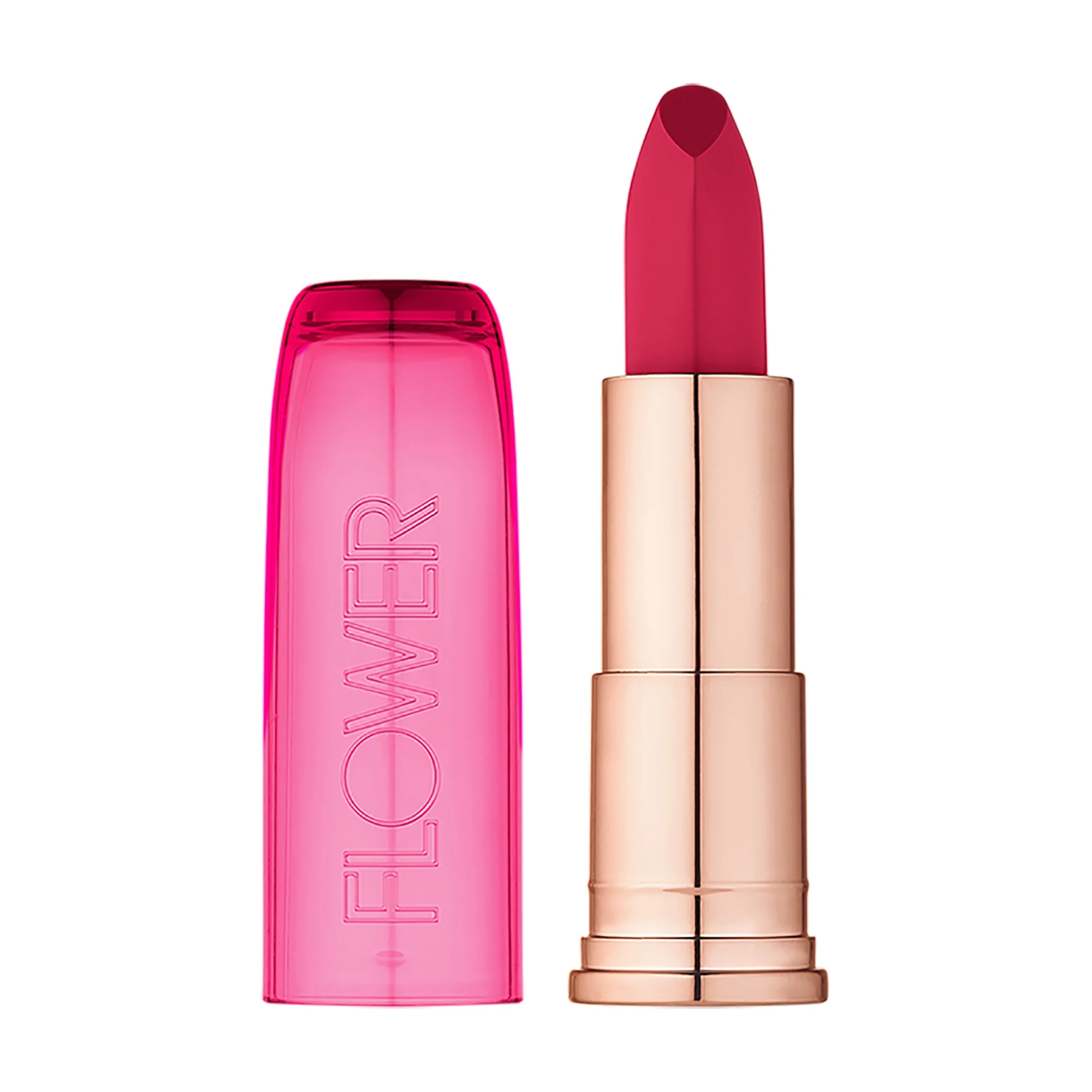
In beauty, color accuracy directly impacts profitability. If someone orders a “warm red” lipstick based on your photos but receives something they perceive as “orange-red,” that product is likely being returned. On a $30 lipstick, one inaccurate photo can create costs that exceed the original purchase. Scale that across hundreds of orders, and the impact adds up quickly.
The damage doesn’t stop at returns. A customer who receives a foundation, lipstick, or skincare product that looks different from what was expected may hesitate to order again. “Not as pictured” reviews can create doubt for future customers before they ever reach checkout, lowering conversion rates and weakening trust in the brand. Color inaccuracy also wastes marketing spend. Every returned order represents acquisition costs that didn’t convert into lasting revenue, and in some cases, created a negative brand experience instead.
For beauty brands, accurate product photography isn’t just about presentation. It’s a profitability tool, a trust builder, and a critical part of creating a smoother path to purchase.
Why Beauty Color Accuracy Is Technically Challenging
Beauty products present unique color accuracy challenges that don't exist with most other product categories. Subtle shade differences matter enormously. The difference between two "nude" lipsticks might be barely perceptible, but customers buying nude lipstick care deeply about those subtle undertones. Photography must show these distinctions.
Lighting affects perceived color dramatically. The same lipstick can look warm under warm lighting and cool under cool lighting. Professional beauty photography requires controlled color temperature lighting to represent products accurately.
Screen variation complicates delivery. Even with perfect photography, customers view products on uncalibrated phone screens, computer monitors, and tablets. Professional studios account for this by optimizing images for average consumer screen viewing.
Product finish affects color perception. Matte lipstick, cream lipstick, and glossy lipstick in the same color all look different photographically because they reflect light differently. Accurate representation requires understanding these material differences.
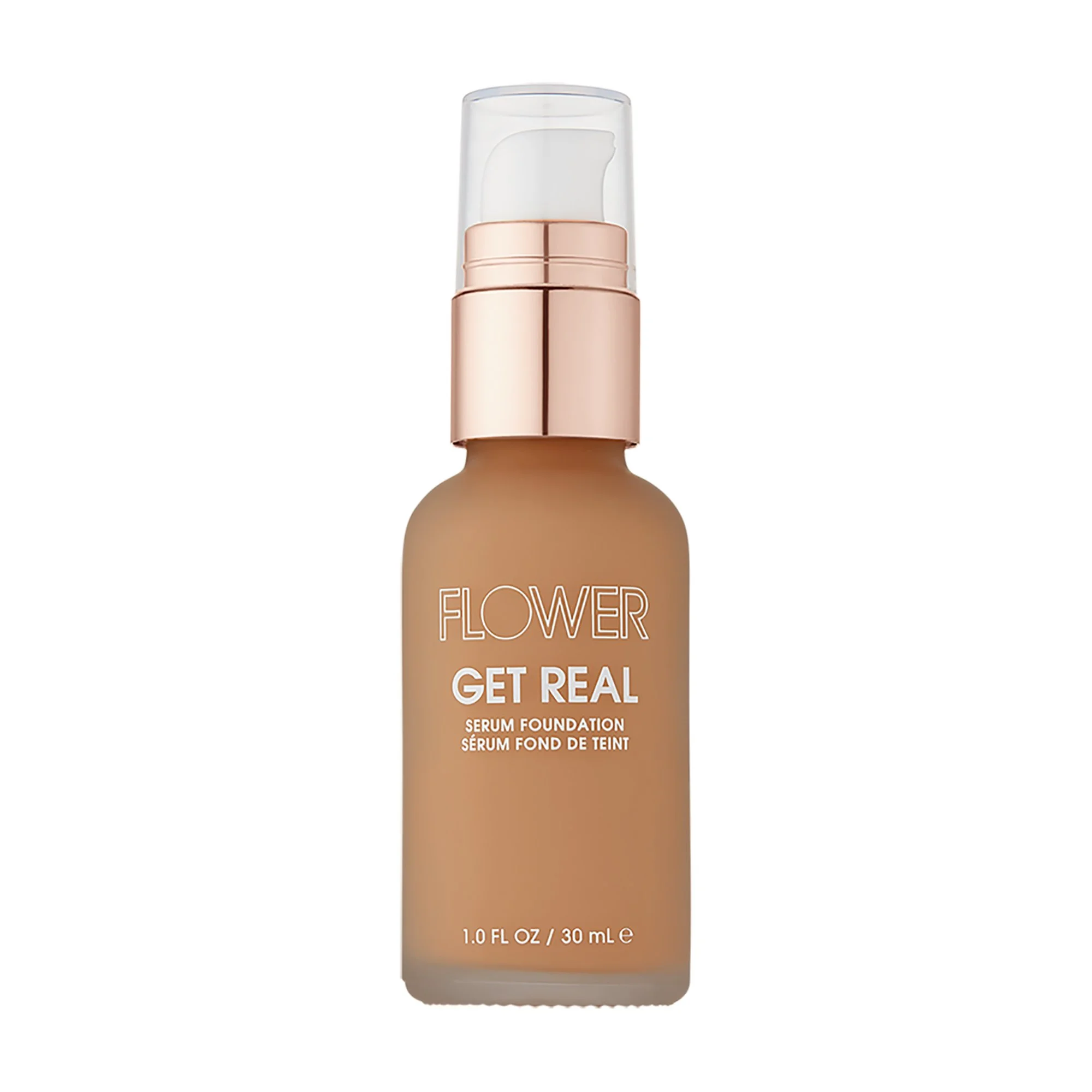
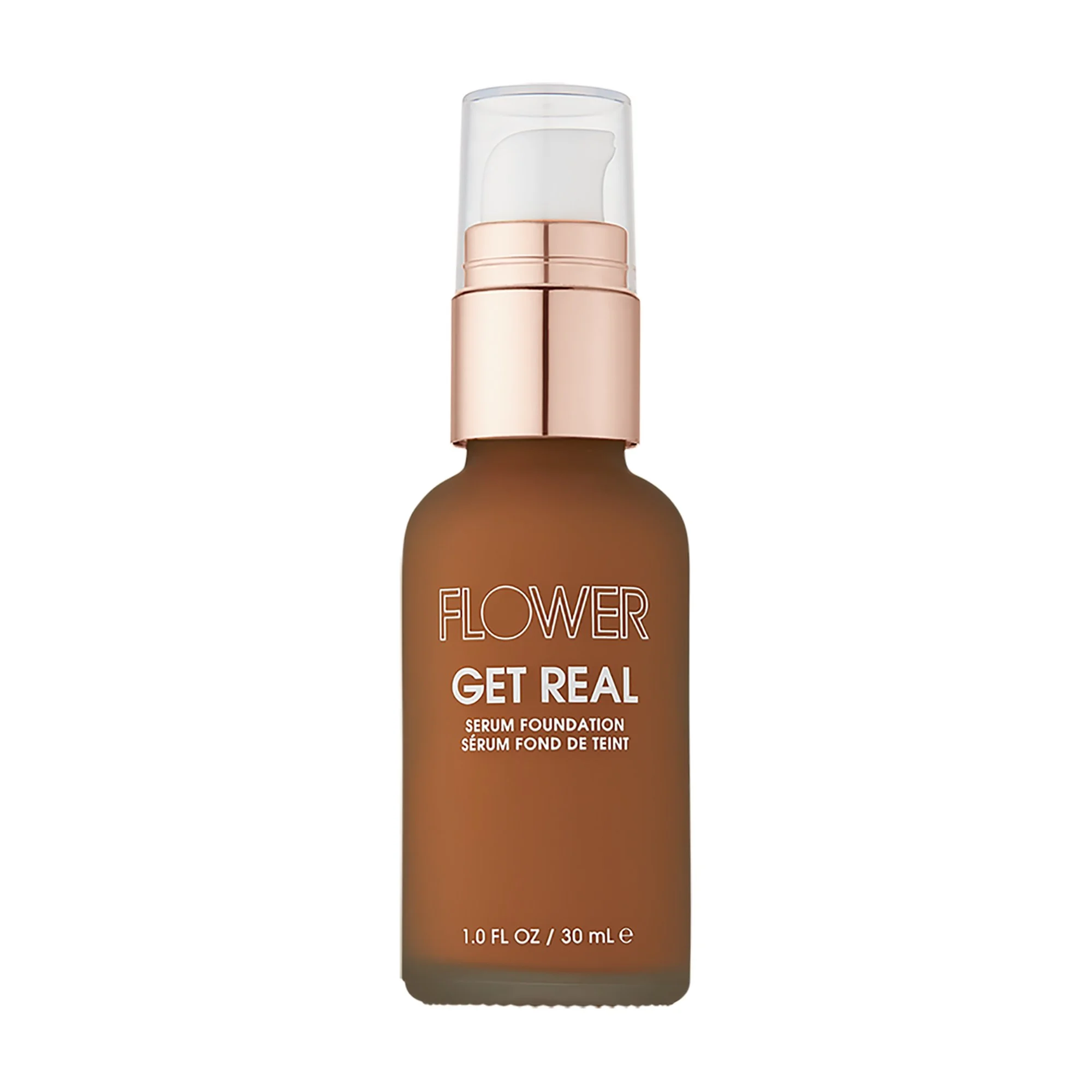
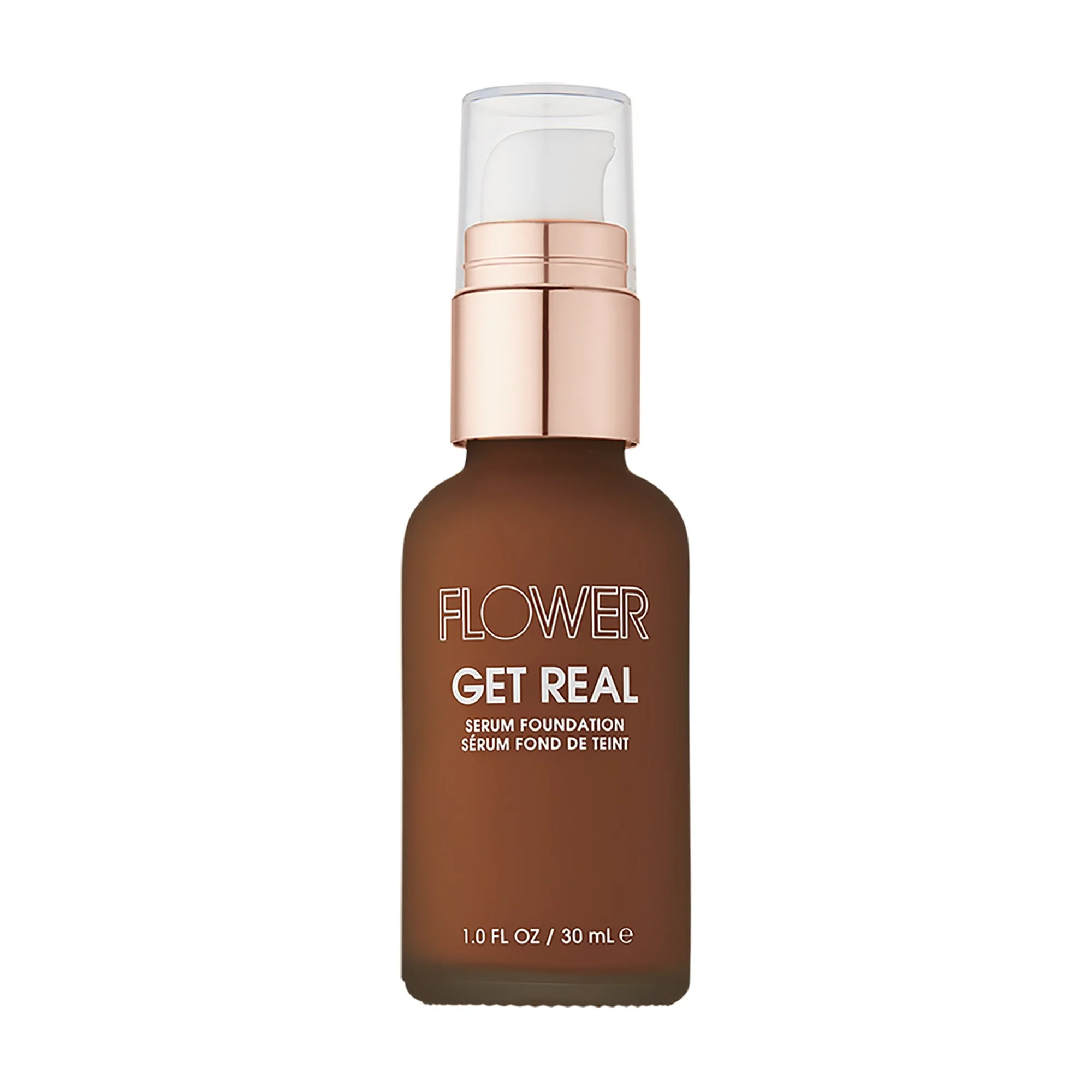
Skin tone interaction changes everything. A foundation that looks perfect on the bottle might photograph differently when shown on skin because skin undertones affect color perception. Swatches add another layer of complexity.
The Color Management Workflow That Works
Professional beauty photography requires systematic color management from capture through delivery. Controlled lighting with known color temperature forms the foundation. We use daylight-balanced professional lighting that provides consistent, neutral color temperature. This eliminates the color casts that standard lighting creates.
Calibrated monitors ensure what we see matches what you'll see. Professional studios use hardware-calibrated monitors that display colors accurately. Without calibration, we might be editing toward colors that don't actually match the products. Color reference tools help establish accuracy. Including color reference cards in initial shots provides objective color standards we can match during editing.
RAW file capture preserves maximum color information. Professional cameras shooting in RAW format capture more color data than JPEG, allowing more accurate color correction during editing. Individual attention to each shade prevents batch processing errors. Even with efficient workflows, each shade needs individual color evaluation. Automated batch processing doesn't work for beauty products with subtle color variations. Multiple review stages catch errors before delivery. We review color accuracy at several points: during shooting, during initial editing, during final editing, and often with client color proofs before final delivery.
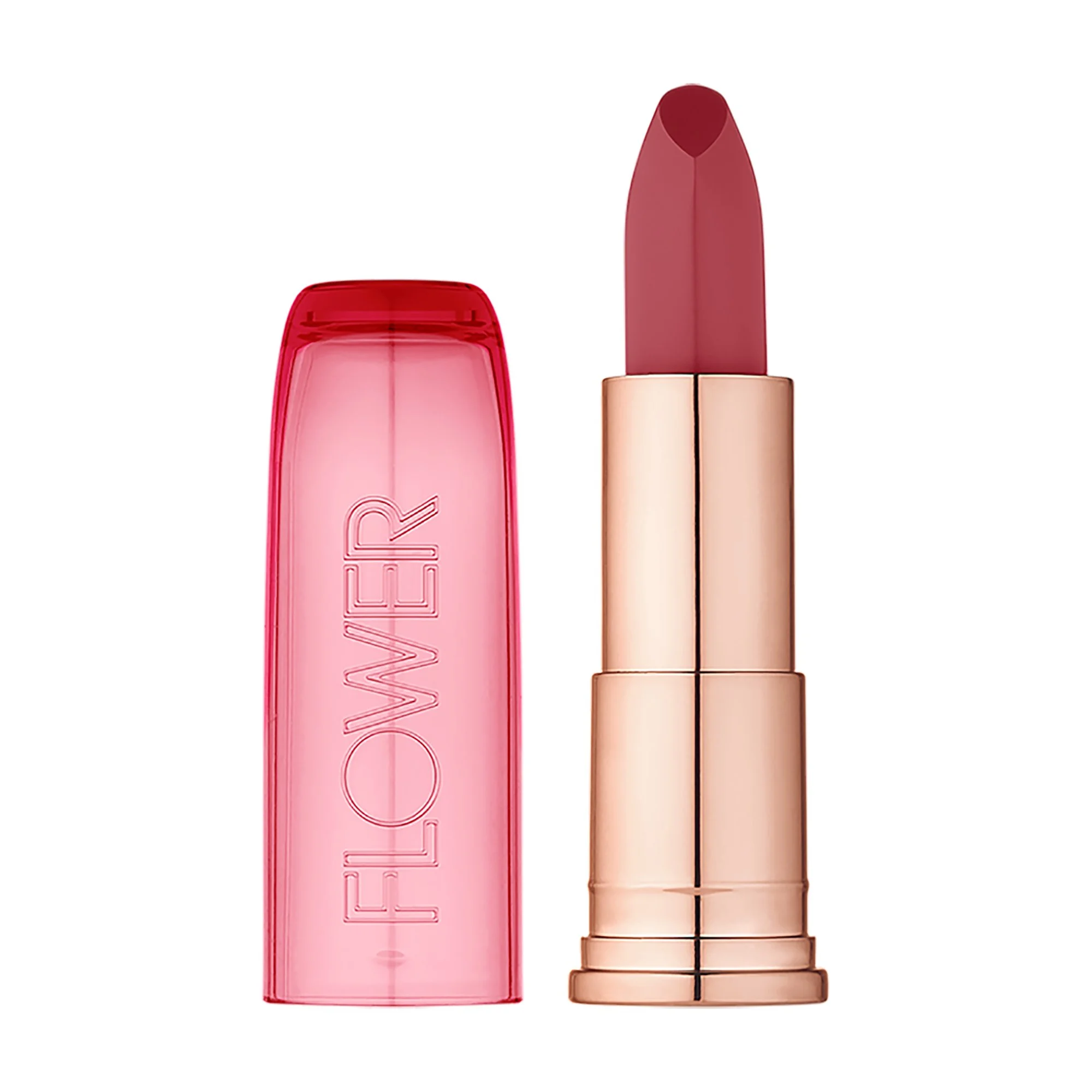
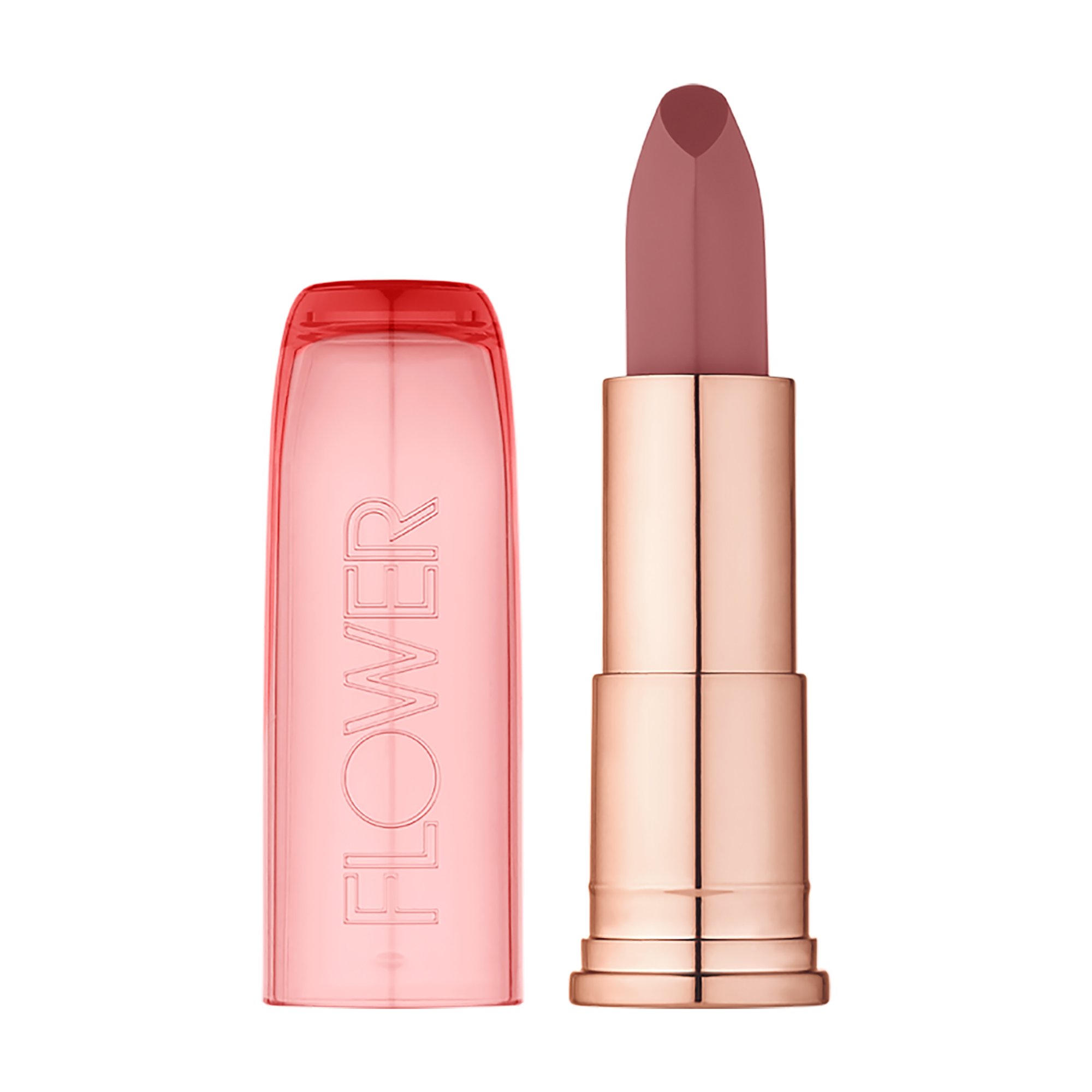
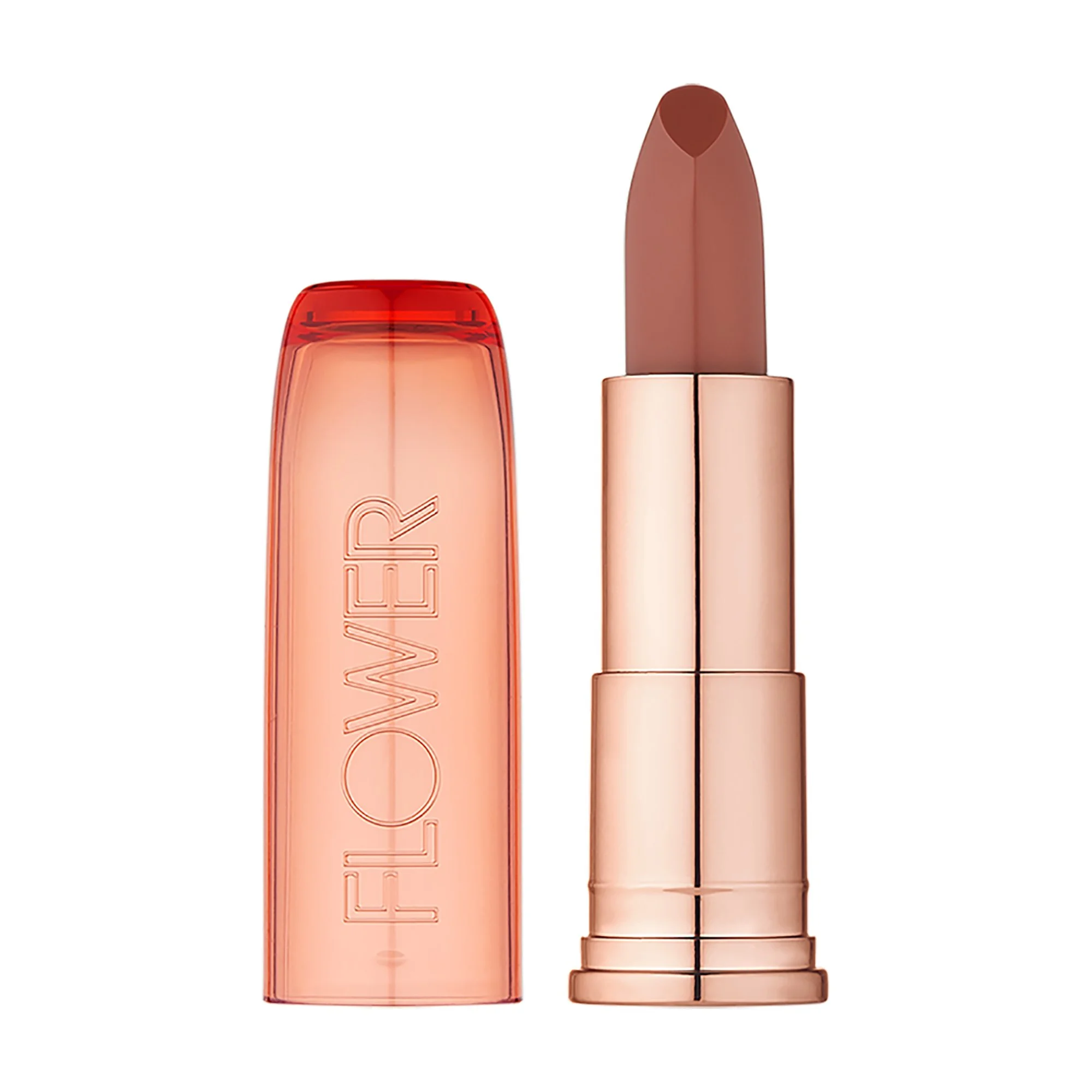
What Color-Accurate Beauty Photography Actually Looks Like
When you see truly color-accurate beauty photography, several characteristics stand out:
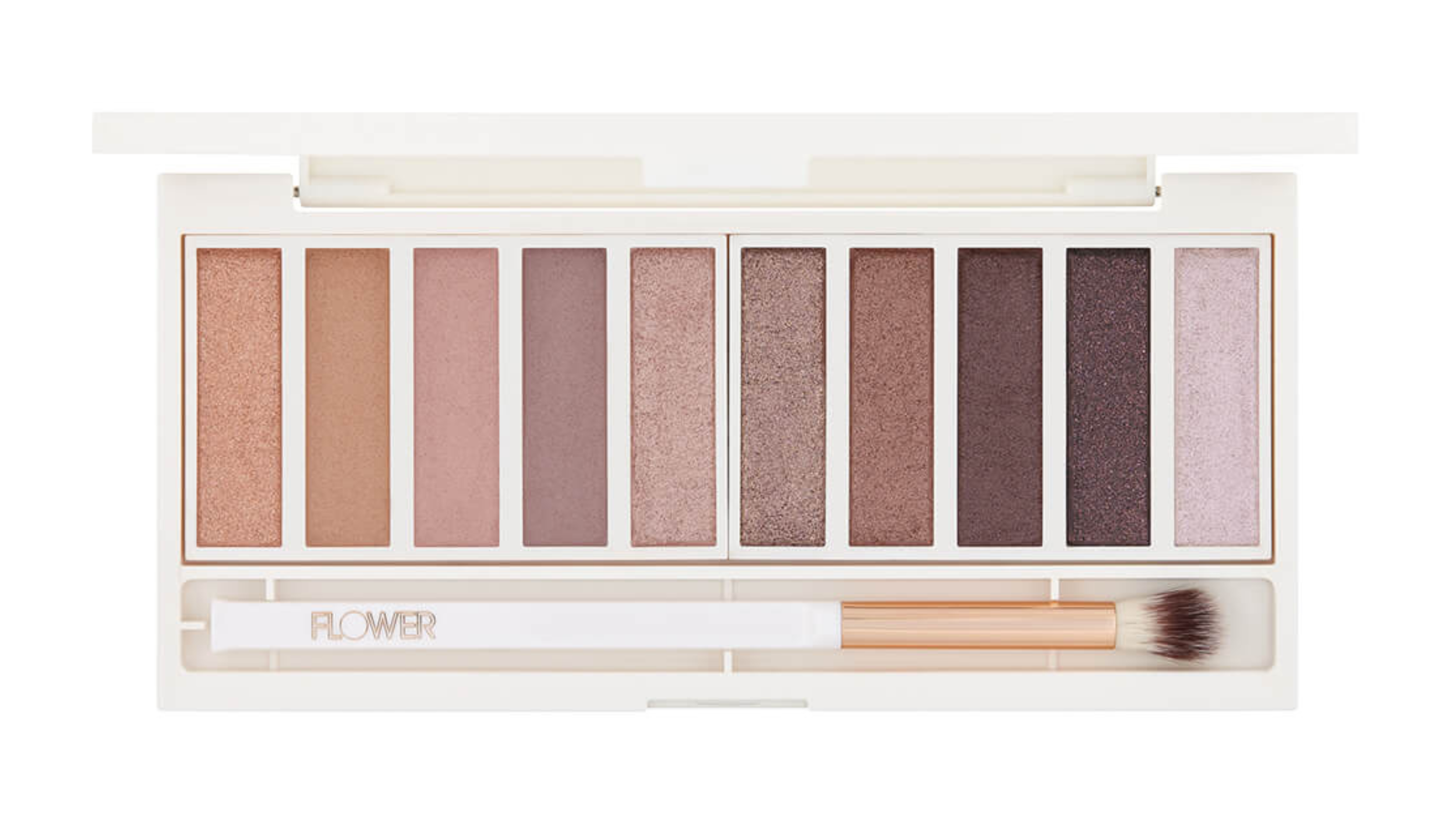
Shades look distinct and differentiable. If you're selling 12 lipstick shades, the photos should show 12 clearly different colors, not variations that blur together.
Colors match across different contexts. The lipstick should look the same color in the product shot, the swatch shot, and any lifestyle images. Inconsistency signals poor color management.
White balance is neutral. The white backgrounds should be truly white, not cream or blue-tinted. Neutral white balance indicates proper color management.
Skin tones look natural. If beauty products are swatched on models or shown in use, the skin tones should look realistic, not orange or gray or overly smoothed. Accurate skin tones indicate the entire image has accurate color.
Colors look true to the product category. Red lipsticks should look like red lipstick, not like tomatoes or fire trucks. Professional photographers understand the color palette of beauty products and represent them within that context.
How Color Accuracy Drives Repeat Purchases
When customers receive products that match the photos exactly, several positive outcomes occur:
Trust increases with each successful order. Customers who get what they expected are more likely to order again because they trust your product representation.
Browsing behavior changes. Customers confident in your color accuracy spend less time second-guessing and more time discovering products. This increases cart sizes and average order values.
Loyalty develops faster. A customer who's ordered three times and received accurate products all three times becomes a loyal customer who doesn't shop with competitors.
Word-of-mouth becomes positive. Satisfied customers recommend brands that deliver what they promise. This organic marketing costs you nothing but generates valuable new customers.
Review quality improves. When "as pictured" or "exactly as shown" reviews accumulate, future customers convert more readily.
For beauty brands, color accuracy isn't just about preventing returns. It's about building the trust that creates loyal, repeat customers worth many times their initial purchase value.
Common Color Accuracy Mistakes
Several errors repeatedly undermine beauty product color accuracy:
Relying on auto white balance in cameras creates inconsistency between shots. Professional studios set manual white balance.
Calibration is essential. Over-saturation or enhancement makes colors look more vibrant than in reality. While tempting aesthetically, this creates return problems.
Batch processing multiple shades identically without individual attention misses subtle color variations that matter to customers.
Shooting in poor lighting conditions (window light, mixed lighting) creates color casts that can't be fully corrected in post-production.
Skipping client color proofs means delivering images without verifying they match the actual products.
What to Look for in Beauty Photography Partners
When evaluating photographers for beauty work, color accuracy should be a primary consideration:
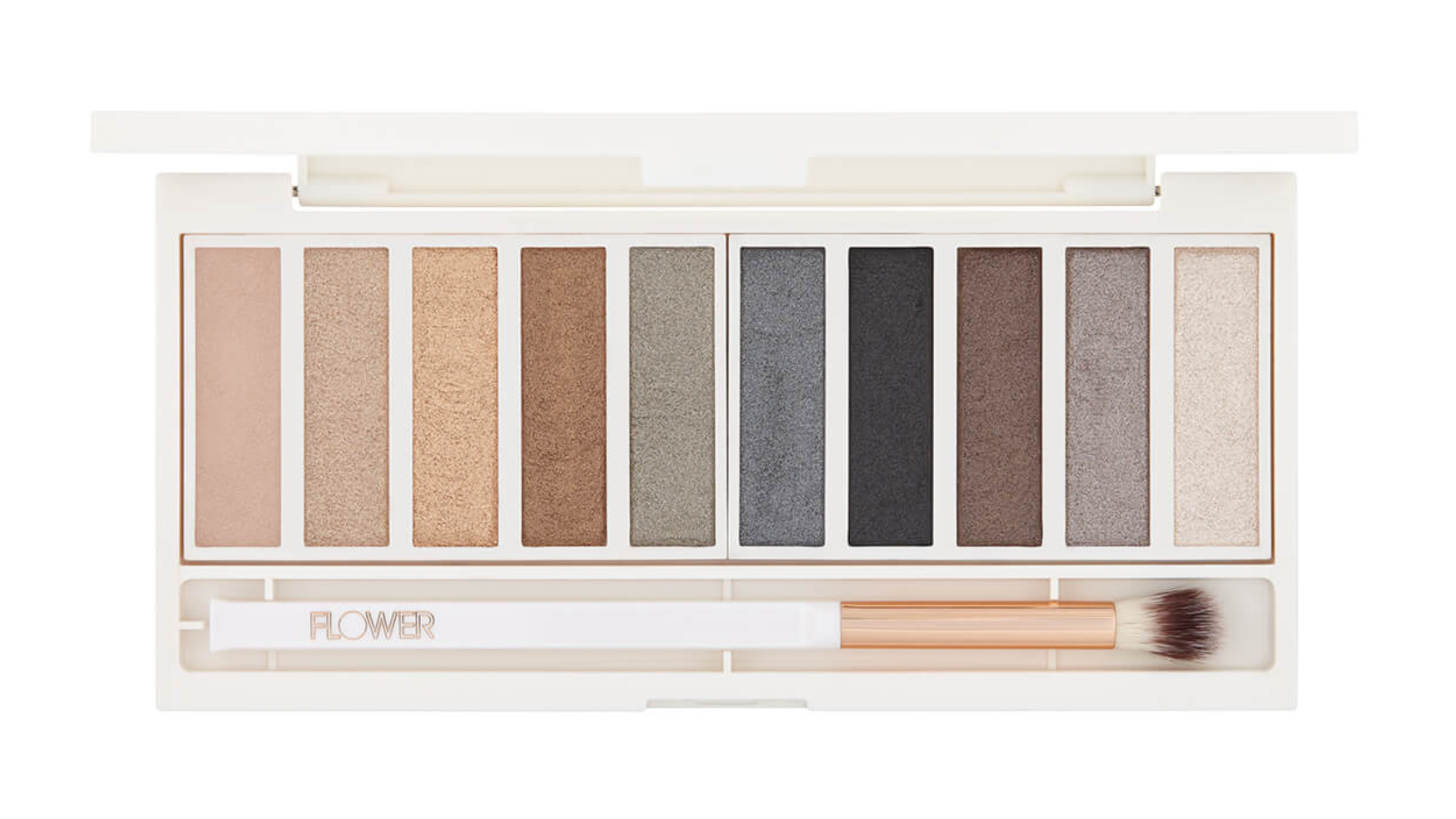
Portfolio examples showing multiple shades of the same product indicate color accuracy capability. If their portfolio shows 10 lipstick shades photographed together with clear color differentiation, they have the expertise.
Discussion of color management workflow during consultations shows they understand the technical requirements. Ask how they ensure color accuracy and listen for specific answers about calibrated monitors, controlled lighting, and review processes.
Willingness to provide color proofs before final delivery demonstrates commitment to accuracy. Professional studios understand beauty brands need to verify color before launching with images.
Beauty brand client experience in their portfolio suggests they understand category-specific requirements. Specific examples of color-critical projects (foundations, multi-shade products) prove capability.
The Long-Term Value of Color Accuracy
Color-accurate beauty photography is an investment that pays dividends for years.
Reduced returns save money on every single order. Increased trust builds customer lifetime value. Better reviews create organic marketing value. Competitive differentiation attracts customers from competitors with poor photography. Brand reputation for accuracy creates defensible positioning. Higher repeat purchase rates drive sustainable growth.
For beauty brands, color accuracy isn't optional or a luxury. It's fundamental to building a successful, sustainable business. The brands winning in beauty eCommerce invest in photography that prevents returns, builds trust, and creates the repeat purchase behavior that drives long-term success.
Ready to discuss color-accurate photography for your beauty line? Let's talk about your products and show you exactly how we ensure your cosmetics and skincare products photograph with the color precision that reduces returns and builds customer loyalty.